Complete Collapse of Ghana's Hook-and-Line Tuna Fleet Threatens Food Security and Jobs
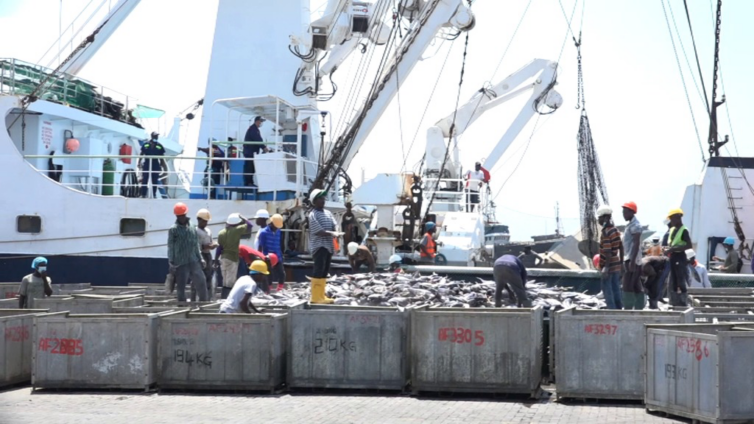
Ghana's tuna fishing sector faces an existential crisis after the entire hook-and-line fleet—all 20 vessels—ground to a halt, unable to weather escalating operational expenses and structural challenges that have squeezed profit margins to breaking point. The collapse represents a catastrophic loss for a nation permitted just 37 tuna vessels under international regulations, leaving only 17 purse seine vessels still active and raising alarm bells across Ghana's fishing and food processing industries.
Richster Amarh Amarfio, Vice President of the National Fisheries Association of Ghana (NAFAG) and a member of the Tuna Association, outlined the severity of the crisis in recent remarks. Of Ghana's ICCAT allocation, 20 vessels historically operated using hook-and-line methods—a labour-intensive but productive fishing technique. Today, not a single one remains operational, forcing a dangerous over-reliance on the purse seine fleet and creating supply bottlenecks for local processors including Pioneer Food Cannery and Cosmo Foods.
The Perfect Storm: Multiple Cost Pressures
The collapse stems from a convergence of mounting pressures that have made tuna fishing economically unviable for hook-and-line operators. Fuel costs represent perhaps the most visible burden: tuna vessels receive no fuel subsidies—unlike some other fishing operations—and must purchase diesel at full market rates, currently around GH¢18 per litre. A single fishing expedition can consume 270,000 litres, translating into millions of cedis in fuel costs alone before the vessel leaves port.
Beyond fuel, vessel owners face a dizzying array of escalating expenses. International maritime regulations require expensive labour, with all tuna captains currently foreign—predominantly Korean nationals—and specialised crew members commanding premium salaries. Maintenance and dry-dock services present another drain: vessels report waiting up to two years for repairs at the Port of Abidjan in Côte d'Ivoire, leaving ships idle and income frozen.
Licensing fees have become prohibitive. Vessel owners previously paid US$35 per gross registered tonnage (GRT); today they pay US$135 per GRT—nearly a fourfold increase. For a 1,000 GRT vessel, that represents a jump from US$35,000 to US$135,000 per licence. Port charges, pegged to the US dollar, compound the problem whenever the cedi depreciates, instantly raising operational costs beyond operators' control.
Armed security has emerged as a significant new expense. Following incidents of piracy, hijacking threats and armed attacks at sea, fishing companies now bear the cost of deploying armed naval personnel aboard vessels—an additional burden that did not exist a decade ago.
Bait Crisis and Regulatory Obstacles
Hook-and-line fishing depends on live anchovies as bait, harvested fresh and stored in shipboard tanks. However, new restrictions on using light as an aggregation device—likely introduced for conservation reasons—have made rapid bait collection substantially harder. Operators now spend two weeks searching for bait and another two weeks fishing, leaving insufficient time to generate profits and contributing directly to fleet-wide collapse.
Why This Matters for Ghana
The tuna fleet's implosion threatens more than just fishing jobs; it destabilises Ghana's entire seafood supply chain. Local canneries and processors depend on steady supplies of domestically caught tuna. With the hook-and-line fleet dead and the purse seine fleet under strain, processors face raw material shortages that could force production slowdowns, job losses and reduced export revenues.
Tuna prices have climbed dramatically—from GH¢3,000–GH¢4,000 per tonne in 2016 to GH¢18,000–GH¢24,000 today—yet operators see no margin improvement because costs have risen faster still. Ghana's fishing businesses have minimal influence over global tuna prices, meaning they absorb all domestic cost inflation without corresponding revenue protection.
The sector requires urgent intervention: training programmes to develop local expertise and reduce dependence on foreign captains, fuel support parity with other fishing operations, streamlined port services, and regulatory review to balance conservation with operational viability. Without swift action, Ghana risks losing a cornerstone industry and the thousands of jobs it sustains.
Source: The Ghana Report



Comments (0)
Be the first to comment.