
Ghana's Agribusiness Potential: Why Farmers Miss Out on Growth Opportunities
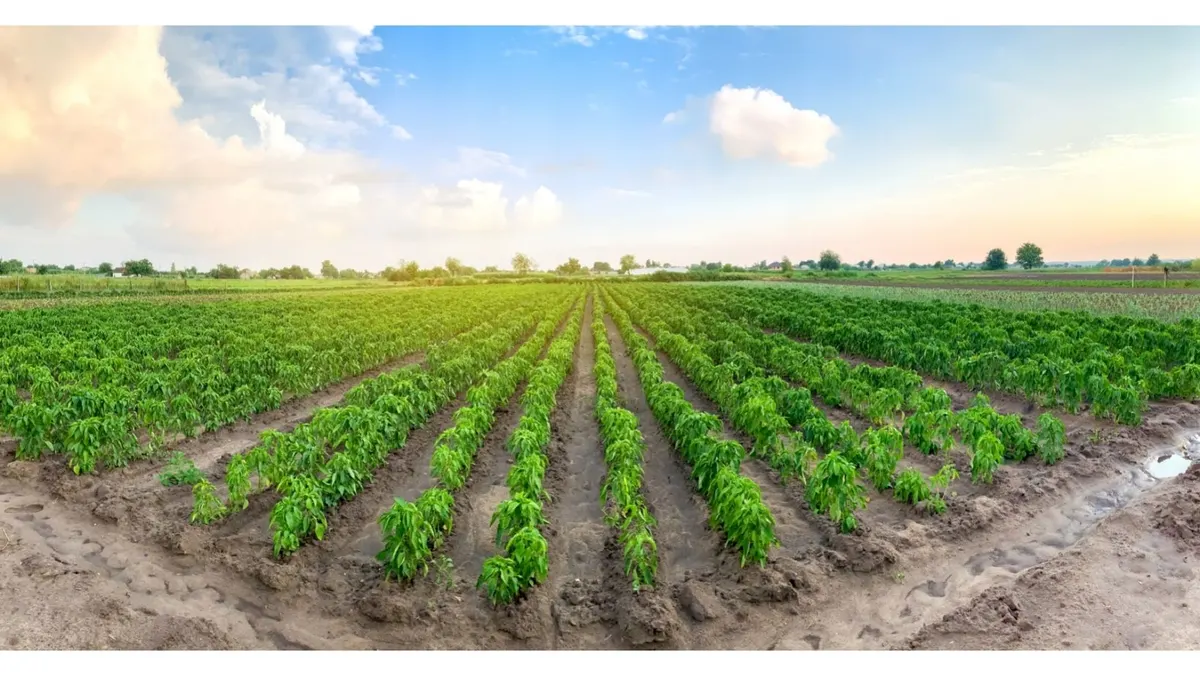

The Food and Agriculture Organisation has sounded a warning that Africa's agribusiness sector is leaving money on the table due to perceived and actual risks deterring investment and innovation. Despite the continent having vast arable land and growing demand for agricultural products, many farmers and entrepreneurs across West Africa, including Ghana, remain unable to tap into high-value opportunities that could transform rural economies.
According to the FAO's assessment, building a resilient agrifood system requires consistent, long-term investment in infrastructure, technology, and human capital. However, this capital remains scarce in many African countries where credit markets are underdeveloped and bankability of agricultural projects is viewed as risky by financial institutions.
The Risk Barrier to Growth
Ghana's agricultural sector, though a cornerstone of the economy, faces structural challenges that amplify investment risk. Climate variability, unpredictable rainfall patterns, pest outbreaks, and weak storage infrastructure mean farmers cannot guarantee consistent yields. For lenders and investors, these uncertainties translate into high default risk, making them reluctant to finance agricultural ventures.
Additionally, most smallholder farmers in Ghana lack formal collateral, proper business registration, or audited financial records—prerequisites that commercial banks typically demand. This creates a catch-22: farmers need capital to modernise and scale up, but cannot access it without meeting formal requirements designed for established businesses.
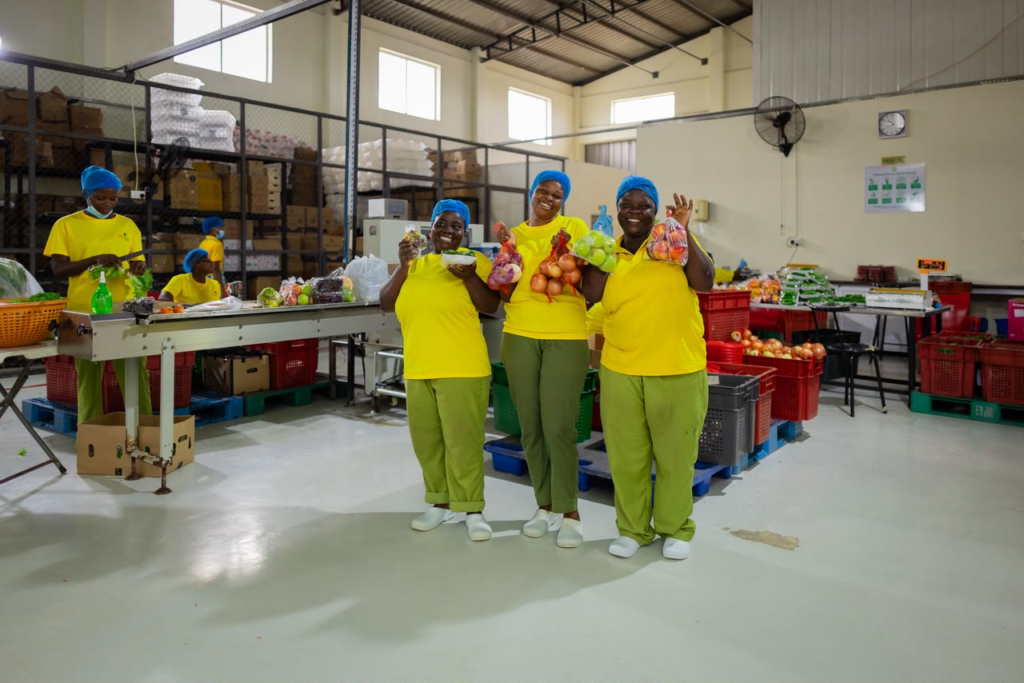
The FAO emphasises that untapped opportunities range from value-added processing to export-oriented production. Ghana could develop more cocoa-processing facilities, expand cashew value chains, and grow irrigated vegetables for regional markets. Yet these ventures require upfront capital that traditional financing mechanisms do not readily provide.
Why This Matters for Ghana
Ghana's economy depends heavily on agriculture, with millions of rural households relying on farming for income. If agribusiness opportunities remain inaccessible, rural poverty persists and young people continue migrating to cities or abroad seeking better livelihoods. This brain drain weakens agricultural productivity precisely when the sector needs innovation and investment.
Furthermore, the ECOWAS region is experiencing rising food import bills and growing demand for processed agricultural goods. Ghanaian agribusinesses positioned to supply regional markets could generate substantial foreign exchange and create jobs across rural areas. However, this requires de-risking investments through government policy, improved extension services, and targeted financial products.
The FAO's findings align with Ghana's own development priorities. The government has set targets for agricultural modernisation and agro-industrialisation, but these cannot be achieved without addressing the financing gap and reducing perceived risks for investors.
Pathways Forward
Tackling this challenge requires multiple interventions:
- Agricultural insurance schemes: Government-backed crop insurance can shield farmers and lenders from weather-related losses, making investments more bankable.
- Improved supply chain infrastructure: Better roads, storage facilities, and market information systems reduce post-harvest losses and increase predictability.
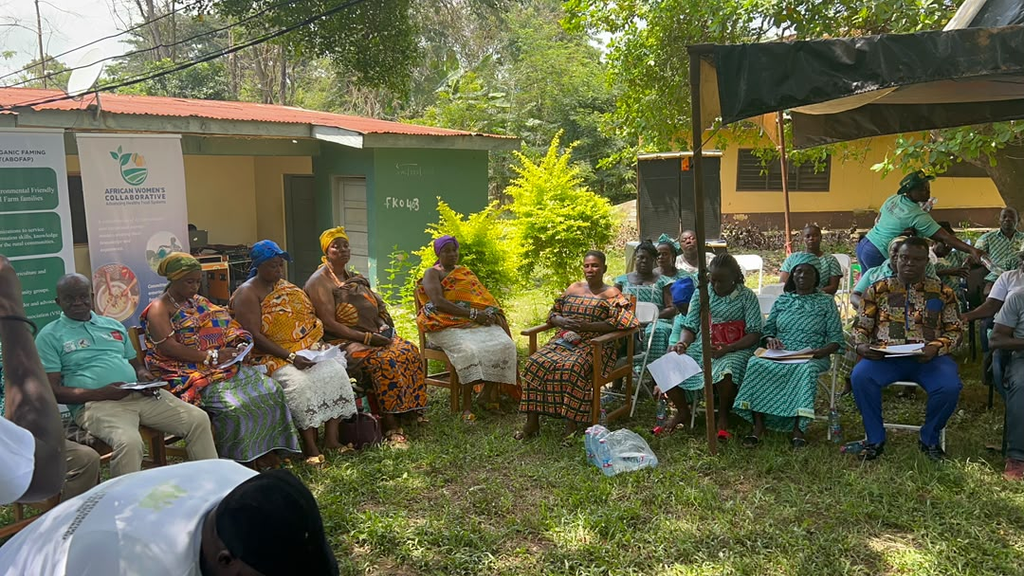
- Capacity building: Training farmers in modern farming techniques, financial literacy, and business management improves project viability.
- Blended finance: Development finance institutions and government can co-invest with private capital to reduce risk perception in agribusiness ventures.
- Policy support: Tax incentives, grants for initial capital, and regulatory simplification can encourage both smallholder participation and private sector investment.
The FAO's message is clear: Ghana and neighbouring West African nations cannot afford to leave agricultural potential untapped. With climate pressures mounting and populations growing, the agrifood sector must evolve from subsistence farming to dynamic agribusiness. Addressing risk through smart policy and investment mechanisms is not optional—it is essential for food security, economic growth, and rural prosperity.
Source: 3News



Comments (0)
Be the first to comment.