
Bawumia Sounds Alarm Over Collapse of Ghana's Rice Farming Sector


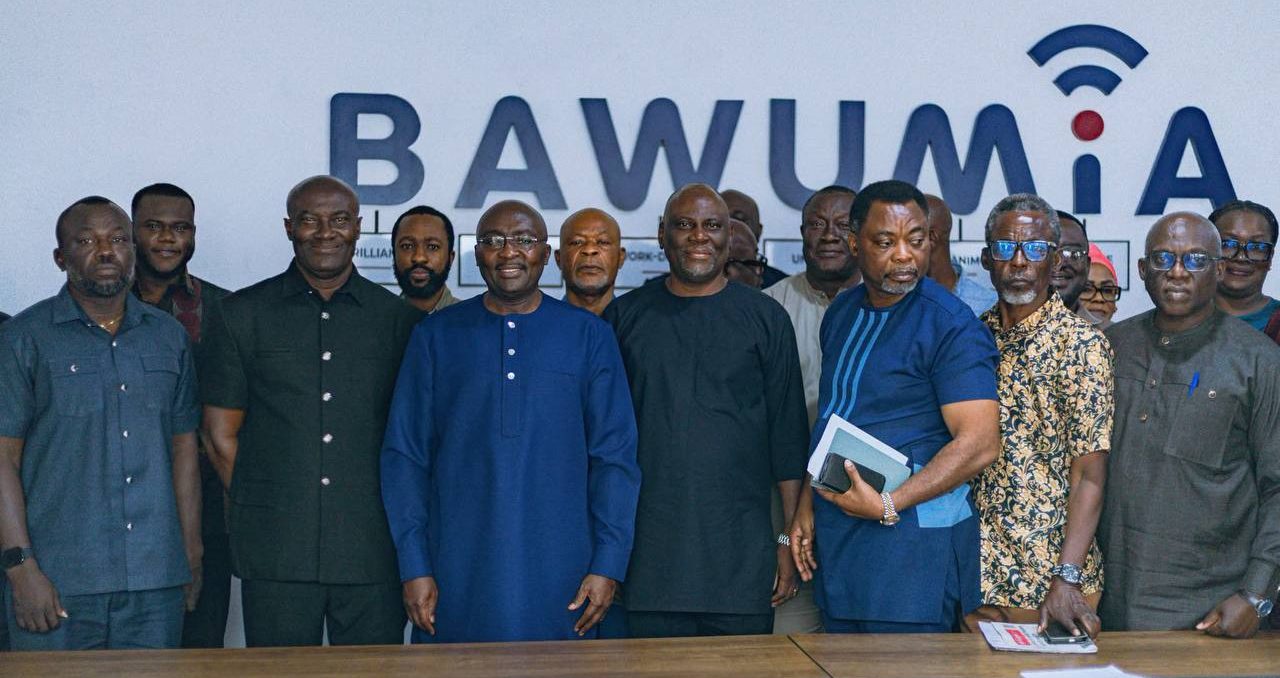
Ghana's rice farming industry is in serious trouble, with local farmers unable to offload their produce even at drastically reduced prices — and NPP flagbearer Dr. Mahamudu Bawumia is calling it a national emergency. Following a first-hand tour of the Asutuare Water Users Association in the Kpone Irrigation enclave, Dr. Bawumia described what he witnessed as "sobering" and urged immediate government intervention to prevent a full-scale agricultural collapse.
What Bawumia Found on the Ground
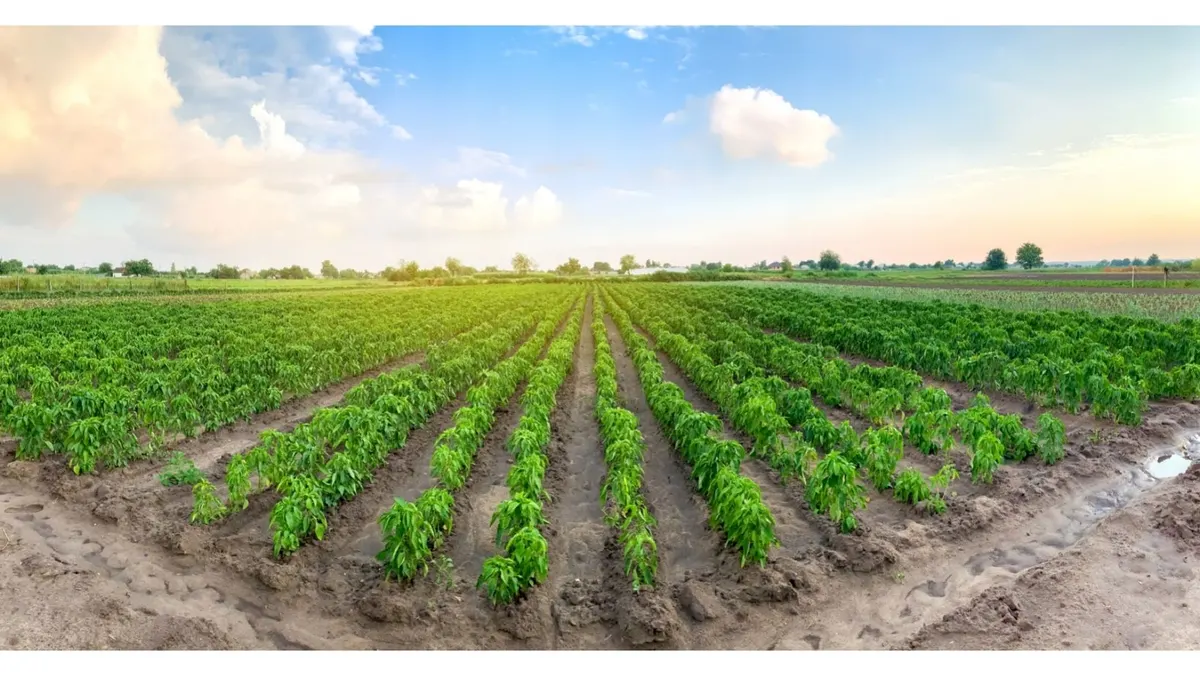
During his visit, Dr. Bawumia toured active farmlands, inspected the irrigation infrastructure, and walked through a local rice milling facility. The picture that emerged was bleak. Rice farmers in the enclave are struggling to sell their harvests even at prices far below what they were fetching previously, largely because cheaper imported rice has flooded the Ghanaian market and undercut local producers.
At the same time, the cost of doing business has surged. Farmers are paying more for fertiliser, seeds and tractor services, squeezing their margins from both ends. Rice millers, meanwhile, are grappling with punishing electricity bills and a sharp drop in demand for their milling services, leaving expensive equipment sitting idle.
Dr. Bawumia also flagged that Phase 2 of the Kpone Irrigation Scheme — a critical infrastructure project meant to expand the productive capacity of the enclave — has stalled, raising questions about the government's commitment to developing the agricultural sector.
Why It Matters for Ghana
Ghana imports a significant volume of rice annually to meet domestic demand, a long-standing vulnerability that policymakers have repeatedly promised to address through initiatives aimed at boosting local production. The Kpone and Accra Plains irrigation zones were developed precisely to reduce this dependence and give Ghanaian farmers a competitive platform.
The situation Bawumia described points to a broader structural problem: when import duties are low or poorly enforced, cheap foreign rice — often subsidised in its country of origin — can enter the Ghanaian market at prices that domestic farmers simply cannot match, even with improved yields. The result is a disincentive to invest in local farming, which over time deepens the country's food import dependency.
Beyond economics, the human cost is significant. Rice farming in irrigation enclaves like Kpone supports thousands of smallholder farmers and their families. If those livelihoods collapse, the social and economic ripple effects — unemployment, rural poverty, food insecurity — could be substantial.
- National security framing: Bawumia's decision to frame the crisis in national security terms reflects a growing consensus among policymakers across Africa that food sovereignty is inseparable from political stability.
- Government purchasing power: His call for the state to use its procurement muscle to buy locally grown rice — for schools, hospitals, prisons and other public institutions — mirrors successful models seen in countries like Senegal and Nigeria.
- Incentive restoration: The reference to "incentives previously given to farmers" likely alludes to subsidies and input support programmes that have been scaled back or inconsistently applied in recent years.
The Call to Action
Dr. Bawumia did not mince words about what needs to happen. He called for the urgent restoration of farmer incentives and demanded that the government leverage its purchasing power to create guaranteed demand for locally produced rice. "We cannot preach food security while letting our own farmers go bankrupt," he said. "Our farmers feed this nation. It is time this nation fed them back."
Whether the remarks translate into concrete policy commitments — or remain campaign-trail rhetoric — remains to be seen. But the conditions Bawumia described in Kpone are unlikely to be unique to that enclave, and the pressure on Ghana's agricultural sector shows little sign of easing without deliberate and sustained policy action.
Source: The Ghanaian Times



Comments (0)
Be the first to comment.