
Ghana's Clean-up Victory Risks Going Up in Smoke Without Proper Waste Management
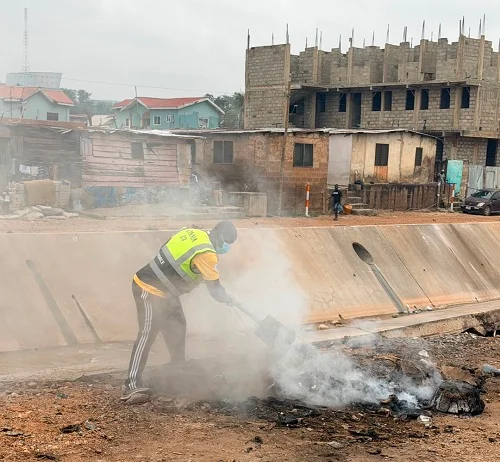

Ghana's two-day National Flood Aftermath Clean-up Exercise showcased impressive collective action, but revealed a troubling reality: without fixing the country's broken waste management system, the gains will literally go up in smoke.
President Mahama's initiative, launched following the devastating June 29 floods that claimed lives and destroyed homes and businesses, brought Ghanaians together in unprecedented numbers. Parliament members, local assemblies, traditional leaders, faith organisations, students and security services worked side-by-side clearing drains and removing refuse. The sight of closed shops and suspended business hours as residents grabbed shovels and wheelbarrows sent a powerful message about national unity.
Yet beneath this success lies a dangerous problem. Throughout Accra during the exercise, thick plumes of smoke rose from residential areas as households, workshops and neighbourhoods burned collected waste rather than disposing of it properly. Residents justified the practice by pointing to Ghana's chronically inadequate waste collection infrastructure.
Why It Matters for Ghana
Ghana faces a mounting environmental and public health crisis. Greater Accra alone generates thousands of tonnes of waste daily, but the Kpone Landfill—the region's primary disposal site—has reportedly reached or exceeded its intended capacity. The Eastern Region's Adepa Landfill now receives waste transported from the capital, creating a system under severe strain.
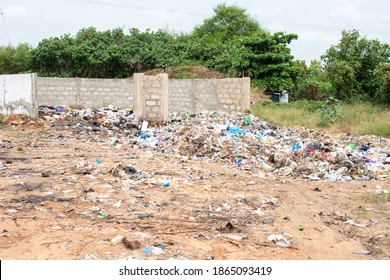
This infrastructure failure has consequences beyond unsightly dumps. The World Health Organisation warns that open waste burning releases harmful pollutants causing respiratory diseases, skin irritation and coughing. Poor waste disposal blocks drains, worsens flooding, and creates breeding grounds for disease-carrying insects. Illegal dumping sites like the wetland around Mallam Junction have transformed natural ecosystems into health hazards marked by offensive odours and swarms of houseflies.
The June 29 floods demonstrated this clearly: indiscriminate dumping, building on waterways, and encroaching on wetlands amplified what would have been a natural occurrence. The clean-up exercise suggested many Ghanaians finally understood this reality and wanted to be part of the solution.
The Infrastructure Challenge Ahead
Yet the burning of refuse during the clean-up reveals a critical gap between public willingness and government capacity. Residents have shown they will participate when mobilised nationally, but the absence of reliable waste collection and disposal systems encourages them to resort to burning—harming themselves and their neighbours in the process.
According to the Managing Director of Landfills Company Limited, Dr Peter Kwesi Dagadu, the landfill capacity crisis has encouraged illegal dumping across multiple locations. Without additional landfill sites and improved collection services, the positive momentum from the clean-up exercise risks dissipating within weeks.
Turning Momentum Into Lasting Change
The National Flood Aftermath Clean-up succeeded because it was temporary, well-organised, and nationally broadcast. Sustaining this requires:
- Immediate expansion of landfill capacity and new disposal sites beyond Kpone and Adepa
- Strengthened waste collection services, particularly in underserved communities
- Public awareness campaigns about the health risks of open burning
- Enforcement of regulations against illegal dumping and refuse burning
- Community-level waste management initiatives that function year-round, not just during national exercises
The clean-up demonstrated what Ghanaians can achieve when united behind a cause. But true progress requires converting this two-day surge of collective action into sustained systems that make proper disposal the easier choice than burning refuse in compounds. Without that infrastructure investment, Ghana will continue choosing between polluted air today and flooded communities tomorrow.
Source: The Ghana Report



Comments (0)
Be the first to comment.