
Ghana's flood crisis demands circular economy overhaul, not just bigger drains


Every rainy season delivers the same catastrophe. In June 2026, Accra received 140 millimetres of rainfall in a single day, triggering flooding that killed at least 12 people and forced rescue teams to pull over 400 residents from submerged homes. The familiar low-lying neighbourhoods—Kaneshie, Alajo, Odawna, Weija and Kwame Nkrumah Circle—flooded once again. Yet beneath the emergency response lies a structural problem Ghana has largely ignored: the country treats waste management as separate from flood prevention, when the two are fundamentally linked.
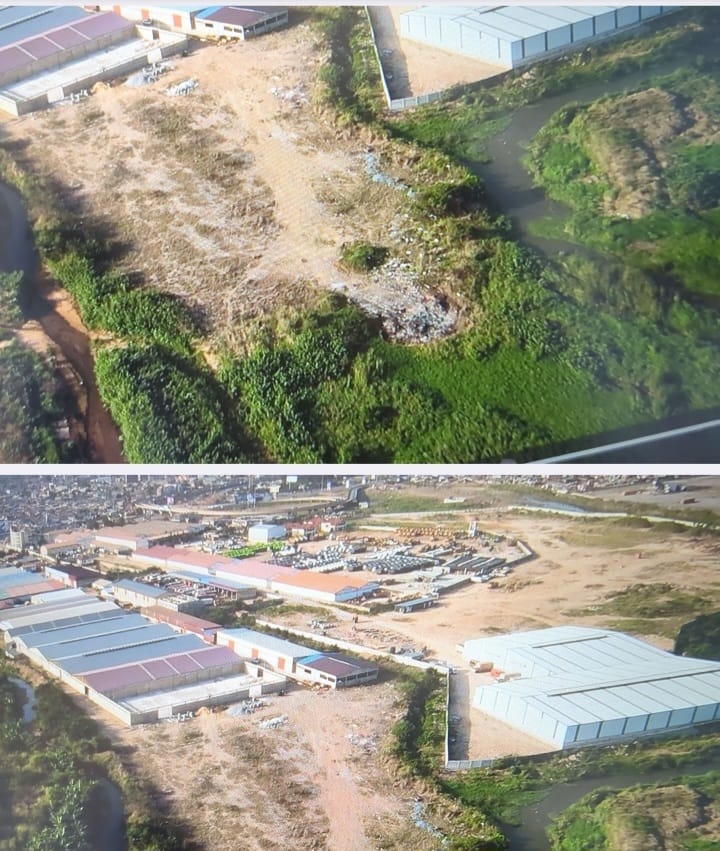
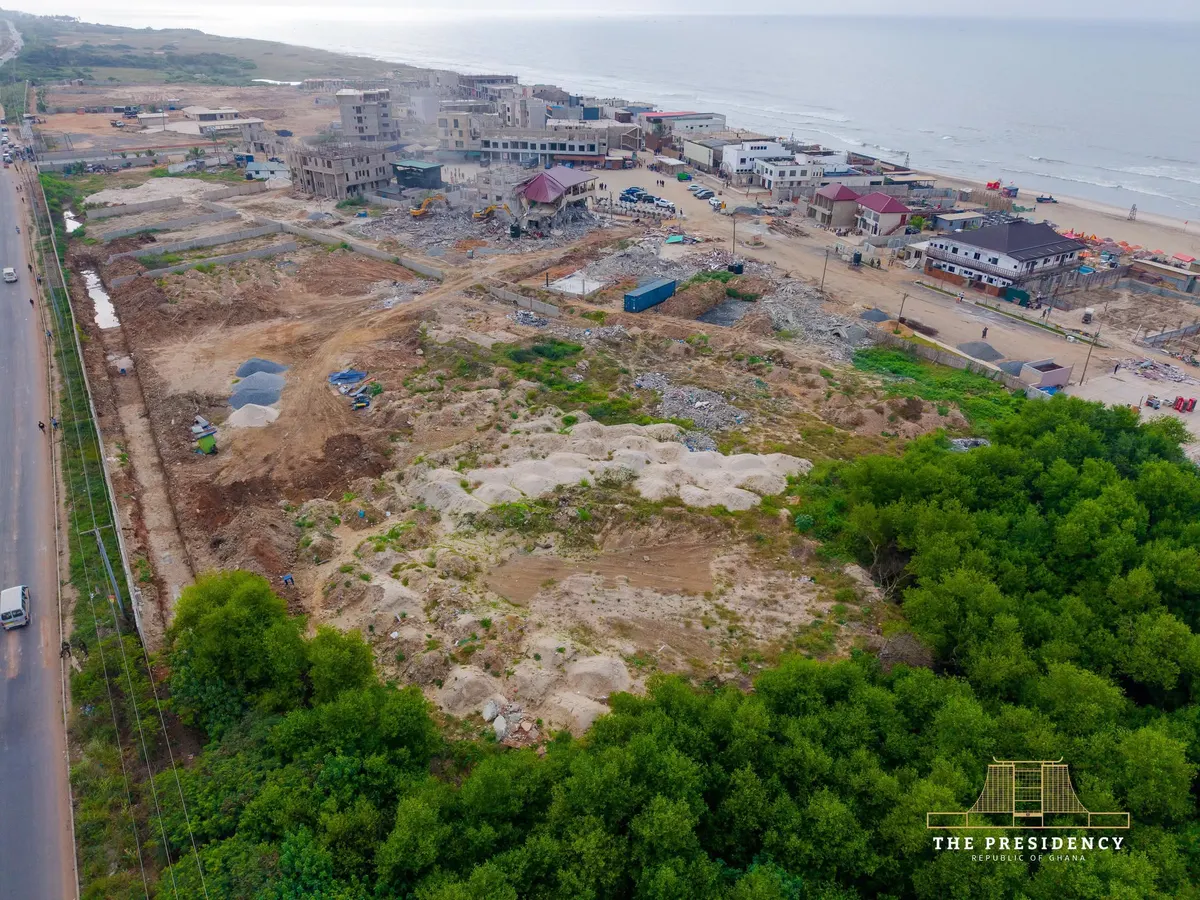
Flooding in Accra is not simply a weather problem. The capital has recorded floods almost annually since 1935, with the 2015 Circle disaster claiming 150 lives in a single night. What transforms heavy rain into disaster is a combination of rapid urban growth, neglected drainage infrastructure, development on flood-prone land, and crucially, the accumulation of solid waste in waterways. Each rainy season, the same plastics, food scraps, construction debris and discarded materials clog drains and culverts, reducing their capacity and intensifying flooding. This is the factor Ghana barely mentions when discussing flood strategy—and it is where a shift toward a circular economy becomes critical flood prevention infrastructure.
The waste-flood connection
Ghana generates approximately 840,000 tonnes of plastic waste annually, yet only 9.5 per cent enters the recycling system, according to the World Economic Forum's Global Plastic Action Partnership. The remainder is buried, burned, dumped or leaked into the environment, where it clogs waterways and chokes drainage systems. By government estimates, mishandled plastic costs the country around $100 million yearly, and analysts project that plastic leakage into Ghana's water bodies could nearly triple between 2020 and 2040 without intervention.
The World Bank's Greater Accra Resilient and Integrated Development Project (GARID), a $150 million initiative serving over 2.5 million residents of the Odaw River Basin, acknowledges this reality by deliberately integrating drainage improvement with solid-waste management. Its designers recognised that silted channels and clogged gutters are not separate problems but symptoms of the same systemic failure. Yet Ghana's broader approach continues to prioritise engineering solutions—bigger drains, annual desilting—while allowing ever-larger volumes of waste to pour into those same channels.
Why this matters for Ghana
A circular economy represents a fundamental departure from Ghana's current linear model: extract, manufacture, consume, discard. In that system, products like water sachets hold value only until consumption ends, then become waste destined for gutters or landfills. Switching to a circular approach means designing out waste from the beginning, keeping materials in productive use as long as possible, and regenerating natural systems rather than depleting them.
For Ghana specifically, this shift moves beyond environmental buzzwords into practical flood mitigation. It requires cutting avoidable single-use packaging, supporting reusable alternatives, mandating that manufacturers design products for collection and recycling rather than disposal, and holding producers accountable for their packaging's end-of-life fate. When materials retain value, markets and incentives emerge to keep them out of waterways.
The stakes are economic and human. Every flood season costs Ghana in lives, displaced families, destroyed property and lost livelihoods. The poorest neighbourhoods suffer most, unable to move away from flood-prone zones. Until the country treats waste prevention as integral to flood strategy rather than peripheral, Accra will continue the familiar cycle: dark clouds, traders lifting goods, rescue operations, and communities watching the water climb toward their doors.
What needs to change
Implementation requires coordination across government, private sector and communities. It means supporting small-scale waste collectors and recyclers already operating informally throughout Accra. It means requiring retailers and manufacturers to participate in take-back schemes. It means investing in processing infrastructure so collected materials become economically viable. And it means public awareness that every discarded sachet represents both an environmental and flood-prevention failure.
Ghana cannot engineer its way out of flooding while treating waste as someone else's problem. The circular economy is not merely an environmental strategy—it is essential flood prevention infrastructure that Ghana has yet to fully activate.
Source: MyJoyOnline


Comments (0)
Be the first to comment.