Beyond one-off cleanups: Jospong Group pushes for permanent waste system as Accra recovers from floods
The Jospong Group of Companies has thrown its weight behind calls for a permanent, nationwide waste management overhaul, arguing that Ghana's recent flood crisis in Accra should be a catalyst for long-term sanitation reform rather than a one-off emergency response.
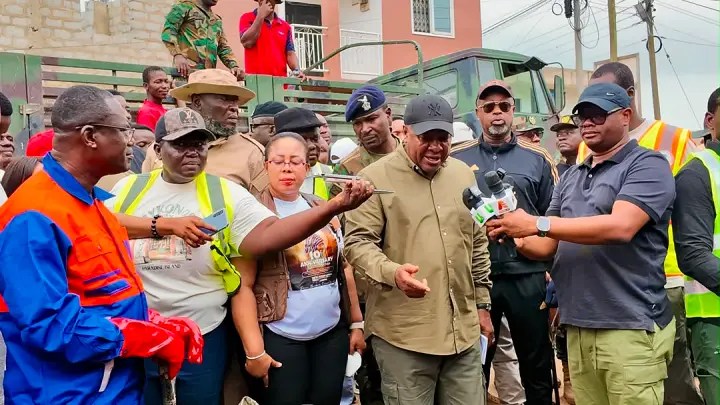
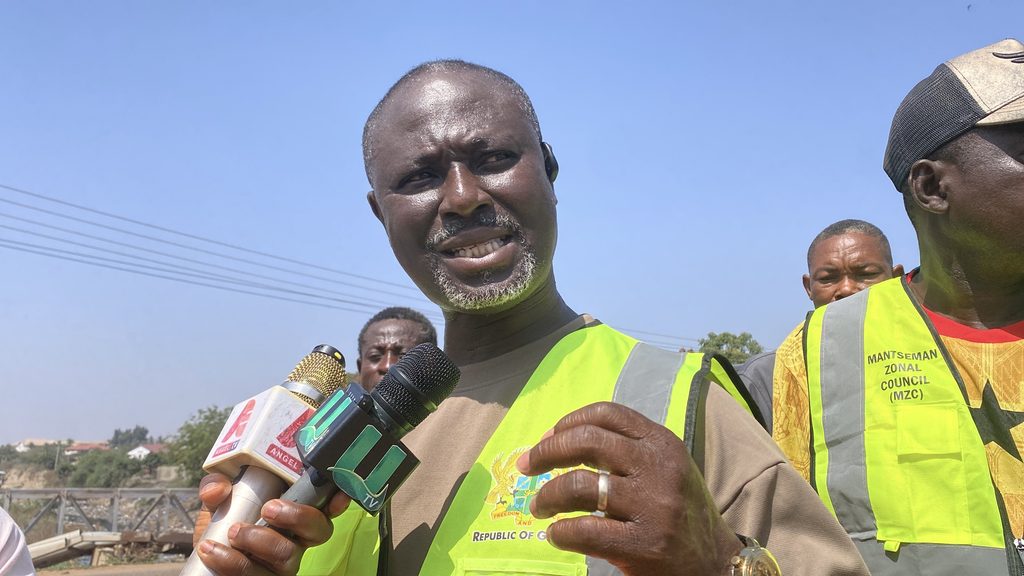
Speaking during cleanup operations in Alajo on 11 July, Group Chairman Dr Joseph Siaw Agyepong stressed that while the ongoing National Sanitation Day exercise is successfully clearing debris left by recent flooding, true progress depends on establishing sustainable waste disposal systems and changing how Ghanaians handle household refuse.
The immediate challenge
The recent floods in parts of Accra left choked drains and accumulated refuse strewn across homes and streets. Heavy-duty equipment and cleanup teams have been mobilised to transport large volumes of waste to designated transfer stations for treatment and final disposal. However, authorities acknowledge that managing the fallout is only half the battle.
Jospong Group highlighted that the scale of debris removal currently underway demonstrates how inadequate regular waste management leaves communities vulnerable. When drains become clogged—often because households improperly dispose of waste or fail to engage licensed collection services—even moderate rainfall can trigger significant flooding.
Why it matters for Ghana
Ghana's annual flooding crisis has become a recurring nightmare for urban residents, particularly in Accra. Each rainy season brings preventable disasters that claim lives, destroy property, and disrupt livelihoods. The core issue is structural: without consistent, properly managed waste systems, clogged drainage infrastructure becomes inevitable.
Dr Agyepong's intervention is significant because it reframes the conversation from emergency response to systemic change. The Jospong Group, a major player in Ghana's sanitation sector, is essentially challenging both government and citizens to move beyond temporary fixes. This matters for several reasons. First, Ghana's rapid urbanisation means waste volumes continue to grow; without proper systems now, future flooding will worsen. Second, responsible waste management reduces health risks—accumulated refuse breeds disease. Third, it demonstrates to the private sector that sustainable sanitation is good business and civic responsibility combined.
What needs to change
The pathway forward, according to Jospong Group, requires coordinated action on multiple fronts:
- Household responsibility: Ghanaians must properly store waste and use licensed collection services rather than disposing of refuse into drains or open spaces.
- Government infrastructure: Long-term investment in drainage systems, transfer stations, and treatment facilities must be prioritised in budget allocations.
- Public participation: Sustained behaviour change depends on communities understanding the link between personal sanitation practices and collective flooding risk.
The company's message is straightforward: achieving a cleaner, safer Ghana requires treating waste management not as an emergency response triggered by floods, but as an essential public service worthy of consistent funding, proper regulation, and citizen buy-in.
Without this shift in mindset and practice, Ghana will continue to face avoidable disaster cycles. The question now is whether the current flood crisis will catalyse lasting change or remain another temporary alarm that fades once the cleanup is complete.
Source: MyJoyOnline


Comments (0)
Be the first to comment.