Beyond the Broom: Why Ghana Needs Year-Round Waste Systems, Not Photo-Op Cleanups
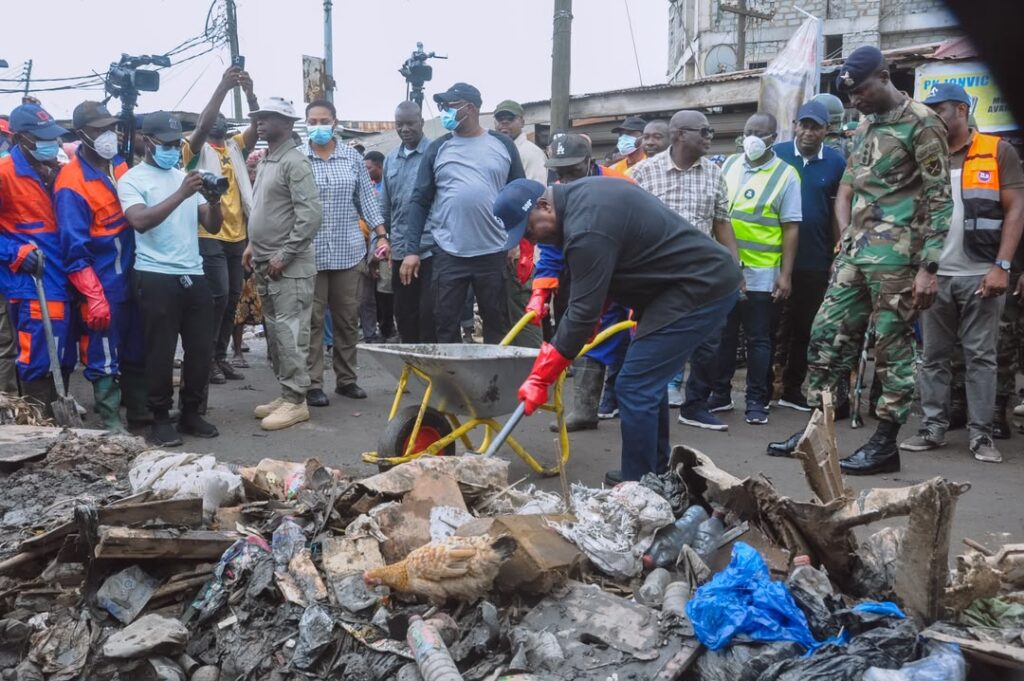
Ghana's recent national clean-up exercise, featuring President John Mahama and other officials clearing waste, has reignited debate about what genuine environmental leadership should look like. While such visible efforts make compelling television, they mask a deeper systemic failure that no single day of volunteering can solve.
The floods that devastated parts of Ghana did not create waste—they exposed it. Mountains of refuse had already accumulated in drains, waterways and public spaces over weeks and months of neglect. The real crisis is not the flood itself, but the collapsed waste management systems that allowed such accumulation in the first place.
The problem with periodic cleanups
National Clean-up Days have their place. They can inspire civic responsibility, mobilise community spirit and remind citizens of their environmental duties. However, when such campaigns become the centrepiece of a nation's sanitation policy, they create a dangerous illusion that the problem is being solved.
There is a critical difference between responsive leadership and preventive leadership. Responsive leadership reacts after disaster strikes—mobilising citizens with brooms and shovels. Preventive leadership operates daily, year-round, through properly financed collection services, maintained drainage systems, enforced regulations and professional waste disposal facilities.
When governments rely too heavily on periodic clean-ups, they inadvertently encourage the mindset that waste accumulation is acceptable for months, provided it is cleared during a national exercise. This inverts the proper order of things: instead of preventing waste from building up, citizens and officials have learned to tolerate it until the next campaign.
What systemic waste management requires
A modern waste management system demands sustained investment and accountability across several interconnected areas. Daily collection services must reach all residential and commercial areas. Transportation networks must efficiently move waste from collection points to designated disposal sites. Drainage systems must be maintained to prevent blockages that contribute to flooding. Enforcement of sanitation by-laws must be consistent, not occasional.
These functions require permanent institutions with adequate funding, skilled personnel, and regular oversight. They cannot be achieved through volunteer efforts, however well-intentioned.
Why this matters for Ghana
Ghana's waste crisis has immediate health and safety consequences. Accumulated refuse in drains and waterways contributes directly to flooding, which displaces families, damages property and disrupts commerce. Poor sanitation poses disease risks, particularly for children and vulnerable populations. The economic cost of reactive emergency responses—deploying personnel and resources after disasters—far exceeds the cost of preventive maintenance.
More broadly, this reflects a pattern in Ghanaian governance where symbolic actions occasionally substitute for institutional reform. While President Mahama's participation in the clean-up exercise demonstrates personal commitment, the critical question is whether government budgets, staffing levels and enforcement mechanisms reflect equal commitment on a daily basis.
For Ghanaians to enjoy lasting improvements in their environment and safety, the government must prioritise the unsexy but essential work of building and maintaining permanent waste management systems. This includes adequate budget allocation, professional staffing, regular equipment maintenance and consistent enforcement of regulations.
Citizens should expect—and demand—that their leaders demonstrate competence through the quality of institutions they build and maintain, not merely through their participation in periodic clean-up exercises. Ghana's waste problem will be solved not by holding a broom once a year, but by leading with systems that work every single day.
Source: MyJoyOnline


Comments (0)
Be the first to comment.