Mahama activates dormant waste transfer stations across Greater Accra to tackle post-flood sanitation crisis
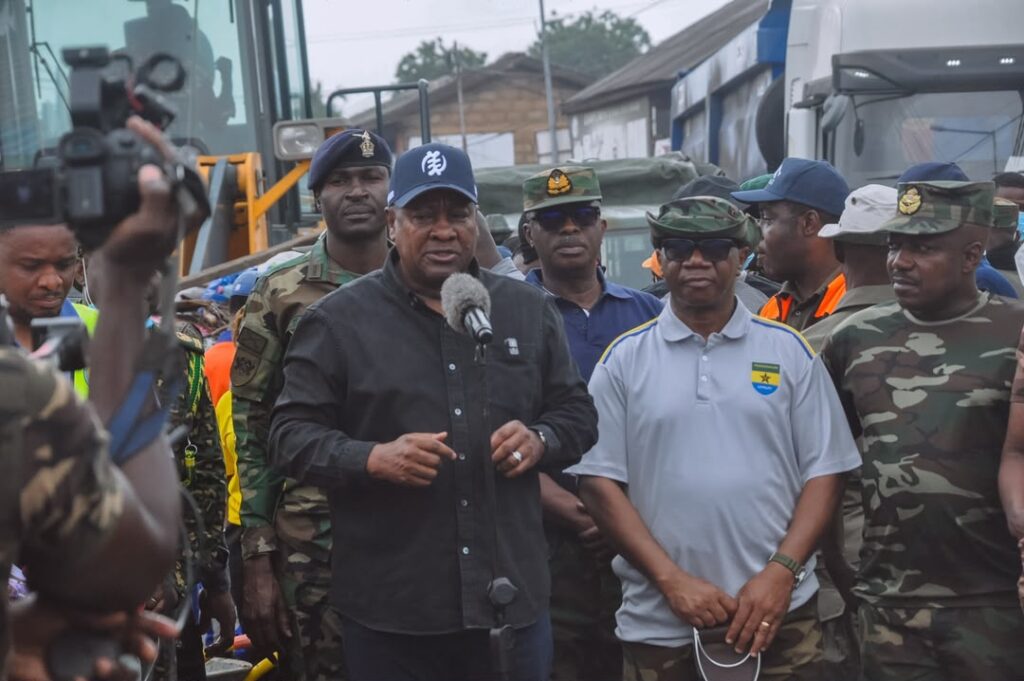
President John Dramani Mahama has ordered the activation of six waste transfer stations that have sat unused for over nine years, aiming to overhaul waste management in Greater Accra following the recent devastating floods. The directive marks a significant shift in how the region will handle refuse collection, addressing a longstanding infrastructure gap that has hampered sanitation efforts across the capital.
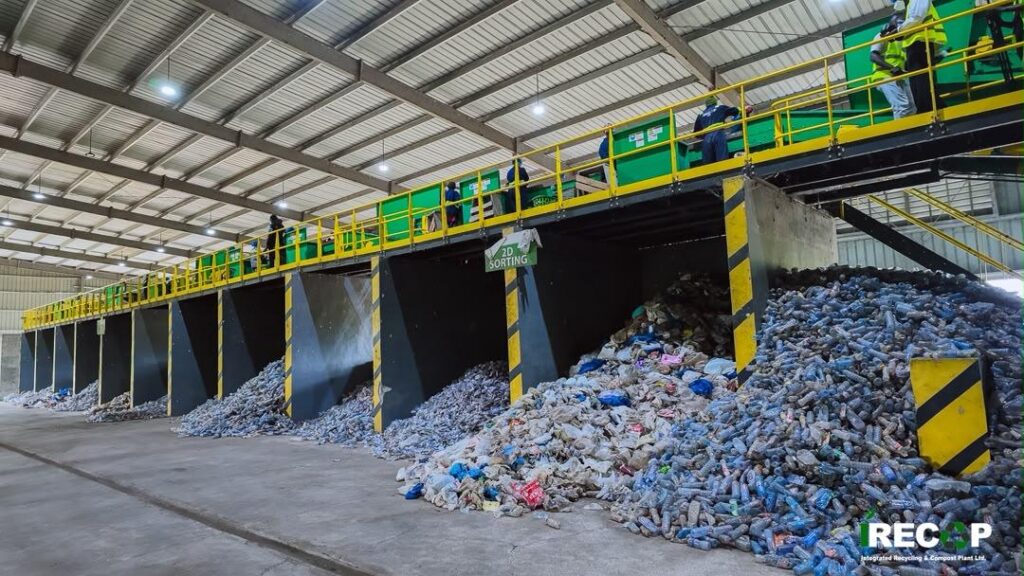
Speaking during the National General Clean-up Exercise at Alajo on Saturday, the President acknowledged that the transfer stations, constructed nearly a decade ago, had never been operationalised. This left waste collectors with no choice but to transport rubbish over long distances to final disposal sites at Amasaman, straining both resources and time. "We have asked the contractor, Zoomlion, to open the transfer stations so that the Aboboyas and others can take the garbage to the transfer stations. They don't need to go all the way to Amasaman to the IRECOPs," Mahama explained.
Six stations now operational across the region
The transfer stations, located at Achimota, Teshie, Kpone, Ashaiman, Pantang and Adipa, will serve as temporary collection points where waste will be compacted before being transported to final treatment facilities. Zoomlion has confirmed all six stations are now receiving waste generated during the nationwide clean-up exercise. Under the new arrangement, waste collectors will discharge refuse at these intermediate points, significantly reducing transportation distances and operational costs.
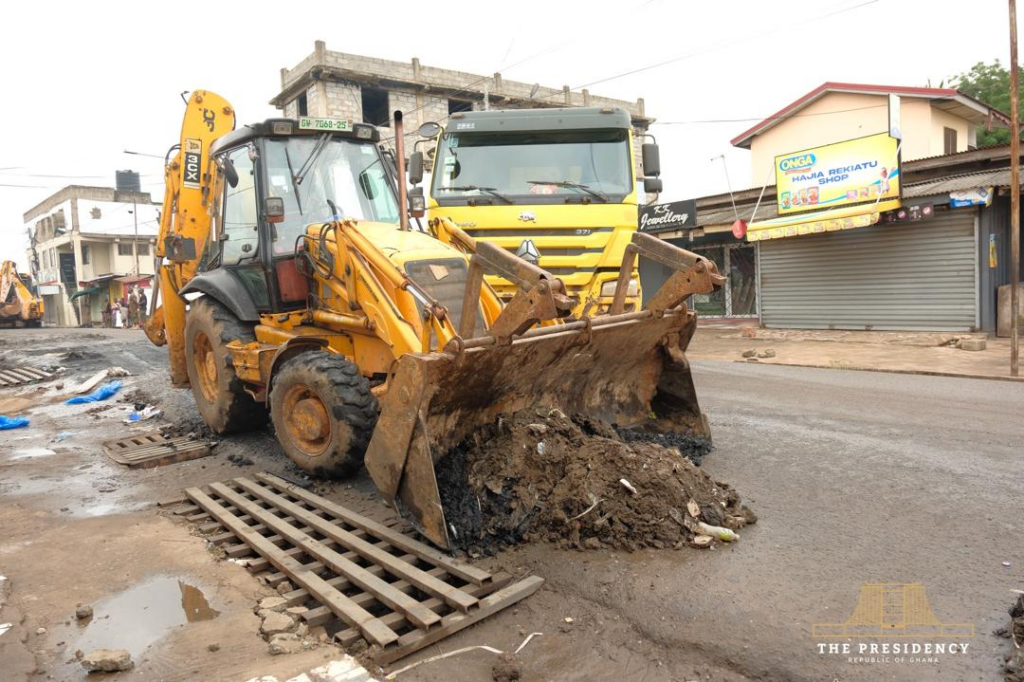
The expanded logistics operation involves approximately 150 haulage trucks, 30 refuse compactors, over 2,000 tricycle waste operators and more than 1,000 Zoomlion personnel. An additional 60 long-haul trailers were deployed to boost evacuation capacity, with operations running simultaneously across all 29 assemblies in Greater Accra.
Why it matters for Ghana
The activation of these transfer stations addresses a critical gap in Ghana's urban waste management infrastructure. For over nine years, the facilities existed as white elephants—built but unutilised—representing wasted investment and lost opportunity to improve public health. Poor waste management directly impacts sanitation, disease prevention and environmental quality, particularly in densely populated areas like Accra.
The recent floods exposed how inadequate waste collection contributes to drainage blockages and flooding. Debris and uncollected rubbish accumulated in gutters and waterways exacerbate the severity of flooding events. By establishing functional intermediate collection points, the government aims to create a more efficient refuse removal system that prevents such accumulation. This is especially important in flood-prone communities where proper waste management can reduce disaster severity.
However, President Mahama stressed that infrastructure alone cannot solve the problem. He highlighted that previous clean-up campaigns failed because refuse removed from drains was often left on roadsides, only to wash back into drainage systems during subsequent rainfall. Success requires both functional infrastructure and responsible public behaviour, with residents adopting better waste disposal practices.
Sustaining momentum beyond the exercise
While the two-day national clean-up exercise provided an immediate response to post-flood sanitation challenges, the President acknowledged that more time would be needed. He announced that the Ghana Armed Forces and other agencies would continue evacuation efforts until all waste removed from drains had been fully transported to disposal sites.
Executive Chairman of the Jospong Group, Dr Joseph Siaw Agyepong, welcomed the activation directive and committed Zoomlion's resources to supporting the government's post-flood sanitation strategy. He noted that the exercise revealed the enormous scale of refuse accumulated over several years, requiring sustained logistical support from multiple stakeholders including Metropolitan, Municipal and District Assemblies and the Environmental Service Providers Association.
Minister for Local Government Ahmed Ibrahim inspected several transfer stations and the Accra Integrated Recycling and Compost Plant to assess operational readiness, commending the decision as a significant step forward for waste collection and transportation across Greater Accra. With these facilities now functional, the region's waste management system should operate more efficiently, reducing the journey times for waste collectors and improving overall sanitation outcomes.
Source: MyJoyOnline


Comments (0)
Be the first to comment.