Ghana's flood cleanup reveals major waste management gap as debris piles up across communities
.jpg)
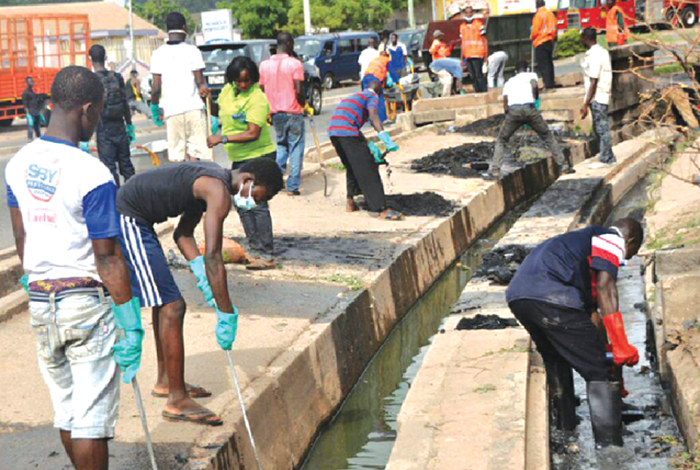
Communities across Ghana have successfully mobilised residents for post-flood cleanup initiatives, but the exercise has exposed a critical weakness in the country's waste management infrastructure: massive heaps of collected debris and sand now sit abandoned along roadsides and beside drainage channels with no clear collection timeline.
The cleanup drives, intended to restore public spaces and prevent further water-logging, have achieved their immediate goal of removing accumulated rubbish from flood-prone areas. However, the success has created a secondary crisis. Volunteers and residents who participated in the sanitation exercises now express frustration as the gathered waste—including sand, broken materials, and organic debris—remains stranded in communities, potentially creating fresh health and environmental hazards.
The cleanup paradox: solving one problem, creating another
The situation reflects a familiar challenge in Ghana's urban management: the gap between collection and final disposal. While communities have demonstrated strong civic participation in clearing gutters and roadsides—efforts that directly reduce flooding risk—the municipal and metropolitan waste management systems appear unprepared to handle the volume and scale of material generated.
Participants have raised alarms that without swift removal of these debris piles, the intended benefits of the cleanup could be reversed. Stagnant heaps of sand and waste provide breeding grounds for mosquitoes and other disease vectors, whilst blocking access to certain areas and creating eyesores that contradict the aesthetic improvements the cleanup was meant to achieve.
Why it matters for Ghana
Ghana's vulnerability to flooding is well documented, with the rainy seasons consistently catching urban infrastructure unprepared. Routine floods in Accra, Kumasi, Sekondi-Takoradi and other cities claim lives, destroy property, and disrupt commerce. Community-led cleanup efforts represent a bottom-up solution to a systemic problem—residents taking ownership of their environment when institutional capacity falls short.
However, this case demonstrates that community action alone cannot substitute for functional municipal waste management systems. For these cleanup drives to deliver lasting benefit, they must be paired with coordinated collection, transport and disposal infrastructure. The current situation also raises questions about coordination between local assemblies, waste management contractors, and environmental agencies in planning and executing such exercises.
Without resolution, repeated cleanup exercises risk becoming demoralising for residents. If participants invest time and effort only to see waste accumulate anyway, civic participation in future sanitation campaigns may decline, leaving communities once again vulnerable to flood-related blockages.
What comes next
Local authorities and waste management bodies must act urgently to remove the accumulated debris. This includes identifying disposal sites, deploying collection vehicles, and providing clear timelines to residents. Going forward, cleanup campaigns should be preceded by concrete arrangements for waste removal, ensuring that civic participation translates into genuine, sustained environmental improvement.
The current backlog also offers an opportunity: it should prompt a review of Ghana's urban sanitation strategy, including investment in waste collection infrastructure, regular maintenance of drainage systems, and community education on responsible waste disposal to prevent future blockages.
Source: 3News

Comments (0)
Be the first to comment.