Beyond the rains: Why Accra's flooding crisis demands systemic reform, not quick fixes

When heavy rains battered Accra on the night of 28 June 2026, the capital faced a crisis that had become painfully familiar. Roads vanished underwater. Homes and businesses were submerged. Families found themselves trapped. Emergency responders could not reach many affected areas. Lives were lost. For residents in Accra and Tema, the floodwaters destroyed more than property—they swept away savings, livelihoods and dignity. Yet as the waters recede, so does public attention, until the next downpour forces the cycle to repeat.
This pattern has defined urban flooding in Ghana's capital for decades. The rhythm is predictable: rains fall, drains overflow, officials visit affected communities, promises are made, then urgency fades. Understanding why this cycle persists requires looking beyond the surface explanation that people simply build on waterways.
The real problem: systems stretched beyond capacity
Accra's drainage crisis is not primarily a problem of individual bad decisions. It is fundamentally a failure of public systems to keep pace with explosive urban growth. The Greater Accra Metropolitan Area has swelled from approximately 400,000 residents in 1960 to over five million today. That rapid expansion has outstripped the city's infrastructure at every level—drainage networks, waste management systems, planning institutions and enforcement capacity have all fallen behind.
A city that was once smaller and more absorbent has become denser, more paved and less forgiving of water. More concrete means less natural absorption. More roofed areas and sealed surfaces mean water runs off faster and in greater volumes. When heavy rainfall arrives, the drainage system—never designed for this population density—becomes overwhelmed. Individual failures in different systems converge during storms: gutters choked with plastic waste, drains too narrow for peak flows, wetlands destroyed and replaced with impervious surfaces, informal settlements built in natural water channels, and fragmented institutions unable to coordinate response.
Drainage and waste: infrastructure that must work together
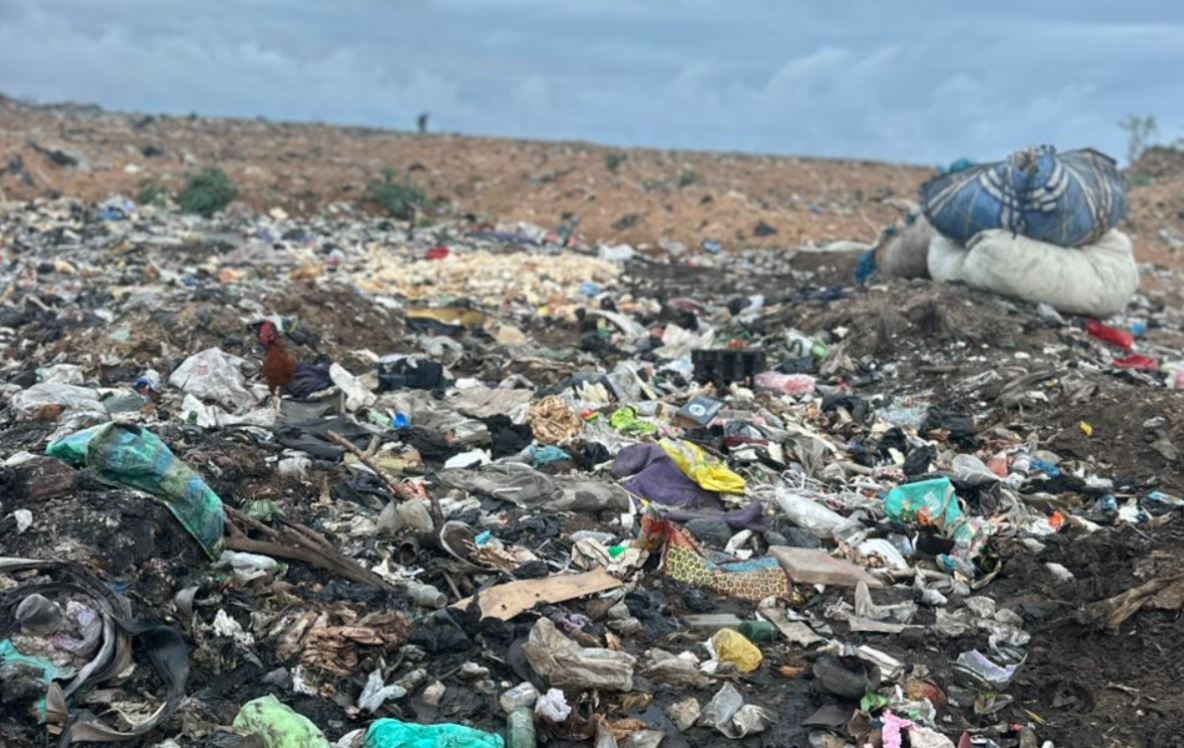
Effective drainage cannot exist in isolation from waste management. When household rubbish, construction debris and plastic waste end up in gutters, they reduce drainage capacity and obstruct stormwater flow. A gutter that becomes a dumping site ceases to function as infrastructure and becomes a hazard. This is not merely poor behaviour—it directly compromises the city's flood defences and makes catastrophic rainfall more likely to cause disaster.
Similarly, drain design must account for the wider urban landscape. A drainage channel too narrow for the area it serves will fail during heavy rain. A drain built to replace a destroyed wetland may only relocate flooding to a different location rather than solve the underlying problem. Effective stormwater management requires integration with land-use planning, ensuring that development accounts for runoff patterns and that critical natural systems are preserved.
Why this matters for Ghana
Accra's flooding problem is a governance challenge that extends well beyond the capital. As Ghana's cities grow, other urban centres face similar pressures. The pattern—rapid population growth outpacing infrastructure investment—is replicating across the country. How Accra responds will set precedent for Kumasi, Tema and other growing municipalities.
More immediately, recurring floods impose enormous economic costs. Businesses suffer stock losses and closures. Families lose homes and possessions. Workers miss employment days. Disease risks increase. Schools and health facilities become inaccessible. The poorest residents, who often live in most vulnerable areas, bear the heaviest burden. Each major flood event represents billions of cedis in economic damage and human suffering that drains government resources and household savings.
Critically, this is not inevitable. The solutions require sustained institutional commitment rather than technological innovation. Drainage networks must be properly designed, maintained before the rains and protected from encroachment. Waste collection systems must be reliable enough that rubbish does not end up in gutters. Wetlands and natural water channels must be preserved. Planning enforcement must be consistent. And institutions must coordinate effectively rather than operating in silos.
Citizens have clear responsibilities too. Waste should not be dumped into drains. Illegal developments should not proliferate. Communities must change habits that worsen flooding. But individual responsibility cannot substitute for institutional failure. Only public authorities can build metropolitan drainage systems, maintain them year-round and integrate them with city planning. Until Ghana's government demonstrates the political will to make flood prevention a permanent priority rather than an emergency response, Accra will continue its cruel rhythm: rains gather, drains overflow, headlines return, promises fade, and the city waits for the next deluge.
Source: MyJoyOnline
.jpg)

Comments (0)
Be the first to comment.