Ghana's waste crisis deepens: Why converting rubbish to energy remains a distant dream

Ghana faces a mounting paradox: whilst communities drowse under the burden of annual flooding and environmental decay, tonnes of solid waste languish in landfills and gutters—resources that could be harnessed to generate electricity, create employment and build resilience against climate shocks. Yet, despite growing global momentum towards waste-to-energy solutions, Ghana's approach remains largely reactive: clearing debris after disaster rather than preventing the crisis altogether.
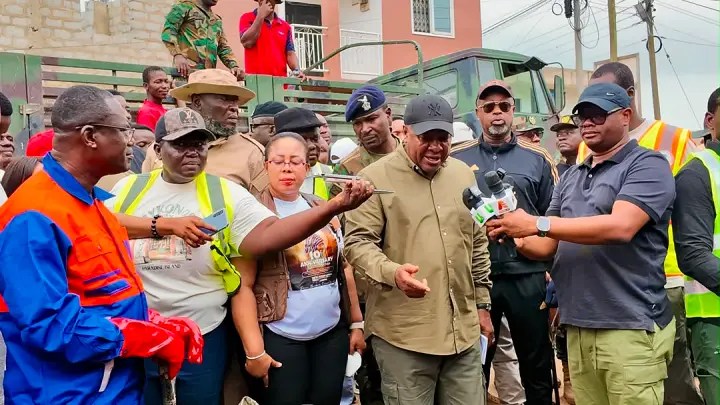
The recent National Clean-up exercise exemplifies this pattern. Authorities mobilise resources to extract rubbish from waterways and drains, creating temporary relief—only for the same waste to be redeposited during the next rainfall season. Without systemic intervention, the cycle perpetuates, flooding persists, and an opportunity to harness billions of Ghana cedis in renewable energy slips away.
The waste-to-energy opportunity Ghana is missing
Countries including Sweden, Denmark, South Korea and Rwanda have transformed their waste management sectors into profitable, job-creating industries by investing in waste-to-energy infrastructure. These nations incinerate carefully sorted refuse to generate electricity and heat, whilst simultaneously reducing landfill overflow and environmental contamination.
Ghana generates approximately 12 million tonnes of solid waste annually, according to environmental estimates. If even a fraction were processed through energy-recovery facilities, the nation could offset electricity shortages, reduce dependence on fossil fuels, and redirect landfill space toward sustainable use. The technology is proven; the challenge is political and financial commitment.
Beyond power generation, waste-to-energy initiatives would create upstream jobs in waste collection, sorting and logistics—sectors that currently lack formal structure and fair wages. Training and employment opportunities would extend across manufacturing, operations and maintenance, stimulating economic growth in communities most affected by environmental degradation.
Why it matters for Ghana
Ghana's flooding crises—which intensify during rainy seasons and displace thousands of residents—are inextricably linked to poor waste management. Blocked drains clogged with plastic, metal and organic debris prevent natural water flow, worsening urban inundation. Coastal cities including Accra, Tema and Kumasi experience the worst effects, with informal settlements bearing the brunt of infrastructure failure.
Investing in waste-to-energy infrastructure would address multiple challenges simultaneously. It would improve drainage systems by removing waste before it enters waterways, reduce greenhouse gas emissions from decomposing organic matter in landfills, and generate a domestic renewable energy source that strengthens Ghana's electricity security. Countries like Rwanda, despite being smaller than Ghana, have demonstrated that commitment to circular economy principles yields rapid environmental and economic gains.
Current policy frameworks, however, lack the enforcement mechanisms and sustained funding required to transition from cleanup theatrics to structural reform. Municipal waste collection systems remain fragmented, with informal waste pickers bearing environmental and health risks whilst earning subsistence wages. A coordinated national strategy—including private sector partnerships, tariff incentives for renewable energy, and skills training programmes—remains conspicuously absent.
The path forward
Ghana's government must move beyond periodic clean-up exercises toward comprehensive waste management legislation. This includes:
- Investment in pilot waste-to-energy plants in major urban centres
- Mandatory waste segregation at source to improve material recovery
- Formal regulation and integration of informal waste sectors with fair wages and safety standards
- Regional cooperation through ECOWAS frameworks to share technology and expertise
Enlightened nations recognised decades ago that waste is a resource, not merely a disposal problem. Ghana's transition from this mindset will require political courage, sustained investment and public buy-in—but the alternative—recurring floods, environmental decay and wasted economic potential—is far costlier.
Source: 3News



Comments (0)
Be the first to comment.