Ghana's sanitation crisis deepens: AMA official warns governments ignoring public health risks
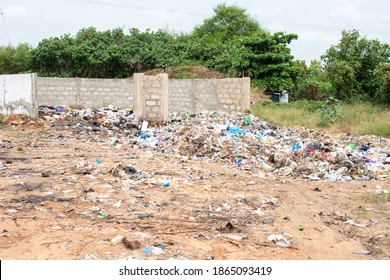
Ghana's sanitation infrastructure continues to deteriorate due to chronic government neglect, according to Florence Kuukyi, Director of the Metro Public Health Department at the Accra Metropolitan Assembly (AMA). Speaking on ATV's Anopa Bosuo programme, Kuukyi warned that the lack of sustained national commitment to sanitation has created a dangerous public health landscape where poor waste management, environmental pollution and frequent flooding pose escalating risks to Ghanaians.
The senior environmental health analyst's concerns come amid ongoing struggles with urban sanitation across major cities. She highlighted that sanitation has consistently failed to secure meaningful prominence in national development planning, leaving Ghana vulnerable to the health consequences of inadequate waste systems and poor environmental management.
Why this matters for Ghana
Ghana's sanitation challenges are not abstract policy issues—they directly affect millions of citizens. Recurring floods in Accra and other cities demonstrate the severe consequences of poor environmental planning and waste management. When sanitation infrastructure breaks down, communities face disease outbreaks, contaminated water supplies and deteriorating living conditions. The fact that a senior AMA health official feels compelled to publicly criticise government priorities suggests the problem has reached a critical level.
Environmental Health Officers are frontline workers tasked with enforcing sanitation standards and protecting public health, yet they operate under severely constrained conditions. Without proper uniforms, adequate funding or logistical support, their ability to conduct routine inspections, educate the public and enforce regulations is severely hampered. This creates a cycle where violations go unchecked, waste accumulates and communities remain vulnerable.
Systemic failures blocking progress
Kuukyi identified several interconnected problems preventing effective sanitation management in Ghana:
- Inadequate funding: Limited financial resources restrict routine inspections, public education campaigns and enforcement operations that are essential to maintaining sanitation standards.
- Lack of operational resources: Environmental Health Officers lack basic tools including official uniforms, which undermines their authority and makes public compliance difficult.
- Policy inconsistency: Successive governments have failed to embed sanitation as a core development priority, leaving strategies fragmented and unsustained.
The timing of Kuukyi's remarks coincides with the President's announcement of a national cleanup exercise scheduled for 10-11 July 2026, following devastating June 29 floods. While such reactive measures temporarily address debris and sanitation concerns in affected areas, they do not address the structural investment and policy failures that make Ghana vulnerable to recurring disasters.
The path forward
Kuukyi's call for action is straightforward: Ghana requires genuine government commitment to sanitation through prioritised investment in environmental health services. This means adequate and predictable funding, proper equipment and uniforms for health officers, and long-term planning that treats sanitation as essential infrastructure rather than an afterthought.
Without such commitment, Ghana will continue cycling through crisis management—organising cleanup exercises after floods while failing to build the systems that could prevent disasters in the first place. For Ghanaians living in vulnerable urban areas already struggling with poor sanitation, the gap between need and government action represents a significant public health emergency that demands immediate attention.
Source: Today GH


Comments (0)
Be the first to comment.