
Ghana must now break from past patterns, says Finance Minister Ato Forson
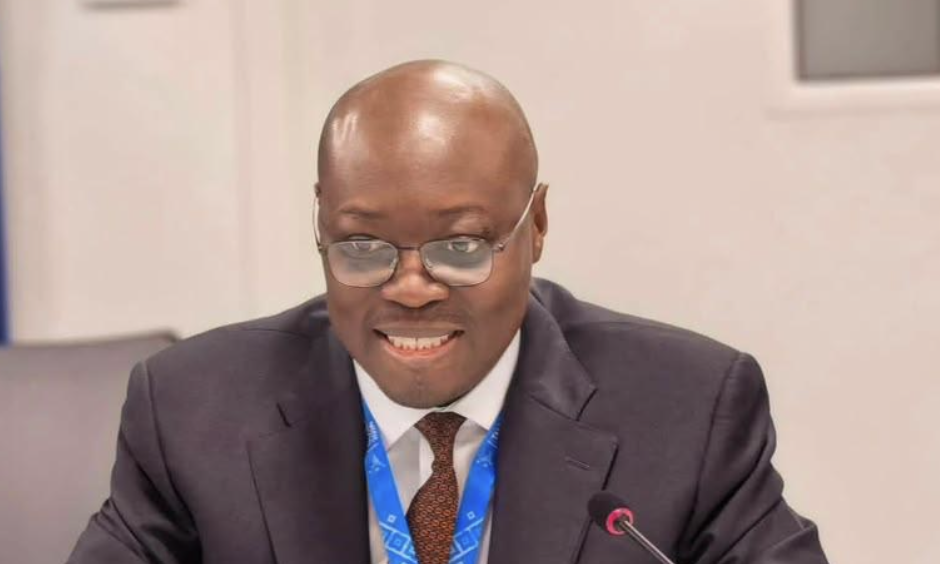

Finance Minister Dr Cassiel Ato Forson has signalled that Ghana's economy has reached a critical juncture, moving beyond immediate crisis management towards building enduring structural change. Speaking at the University of Ghana during a New Economy engagement, Dr Forson emphasised that while the government has achieved economic stabilisation, the nation must now focus on transformative policies that will secure long-term prosperity and break cycles of recurring economic stress.
"We have stabilised the present. Now we must secure the future," Dr Forson declared, framing Ghana's next phase as dependent on bold policy decisions rather than incremental adjustments. He argued that managing symptoms of economic dysfunction is no longer sufficient—Ghana must instead address the root causes that perpetuate challenges across sectors and communities.
Moving Beyond Crisis Management
The Finance Minister's remarks reflected frustration with traditional approaches that treat economic problems superficially. Instead, he called for structural transformation that goes to the heart of how Ghana's economy functions. This means shifting focus from short-term crisis response to reshaping the conditions that create vulnerability to economic shocks.
Dr Forson emphasised that genuine economic security requires expanding productive capacity at home, rather than relying on imports or raw material exports. Key priorities include adding value to Ghana's agricultural and mineral products, creating quality employment opportunities, and building businesses capable of competing regionally and globally. Without these changes, he suggested, Ghana risks repeating familiar patterns of boom-and-bust cycles that drain public resources and limit opportunity for citizens.
His message to university faculty and students was particularly pointed: economic transformation demands decisions that prioritise long-term national interests over short-term political convenience. "History does not wait for countries that are afraid to decide," he stated, calling on stakeholders across sectors to embrace the difficult choices required for sustainable development.
Why It Matters for Ghana
Ghana's economy has experienced repeated cycles of external pressure and internal imbalance, from exchange rate volatility to fiscal deficits. While recent stabilisation efforts—including the International Monetary Fund programme and domestic fiscal discipline—have prevented immediate crisis, they have not fundamentally altered the structural weaknesses that make the economy vulnerable.
Dr Forson's framing suggests the government is preparing Ghanaians for potentially unpopular policy choices ahead. This could include measures to encourage local manufacturing, agricultural processing, and value-added production in mining—sectors where Ghana has competitive advantages but currently exports mostly raw materials. It may also signal focus on formalising the informal economy, improving tax compliance, and redirecting resources towards productive investment.
For ordinary Ghanaians, this agenda has direct implications. Structural transformation typically requires transitional disruption—some sectors may shrink whilst others expand, skills mismatches may emerge, and adjustment periods can be uncomfortable. However, the long-term payoff is supposed to be better jobs, higher incomes, and reduced vulnerability to global commodity price shocks and currency crises that regularly destabilise households and businesses.
The Road Ahead
The Finance Minister's remarks suggest the government intends to use its improved fiscal position to invest in structural change rather than simply maintaining stability. This could mean increased spending on technical education, industrial policy support, agricultural value chains, and infrastructure that enables productive activity. Success will depend on implementing these policies consistently across multiple governments, as structural transformation typically takes years to show results.
Dr Forson's message to students and faculty also acknowledged that economic transformation requires buy-in from educated citizens and future leaders. Universities play a critical role in producing the skills and ideas Ghana needs to compete in a changing global economy.
Source: MyJoyOnline


Comments (0)
Be the first to comment.