
Ghana needs long-term economic vision beyond stabilisation, warns GIMPA's Prof Adei
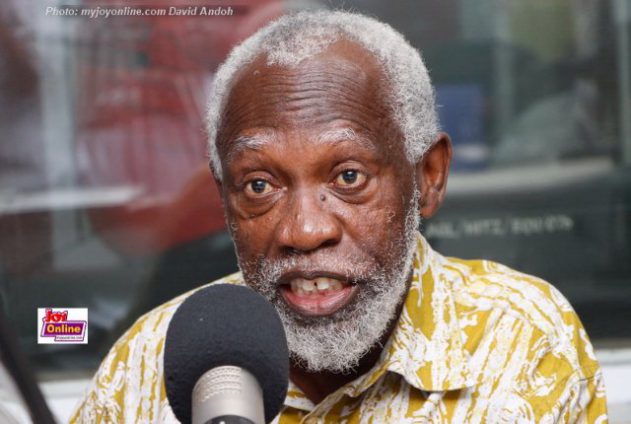

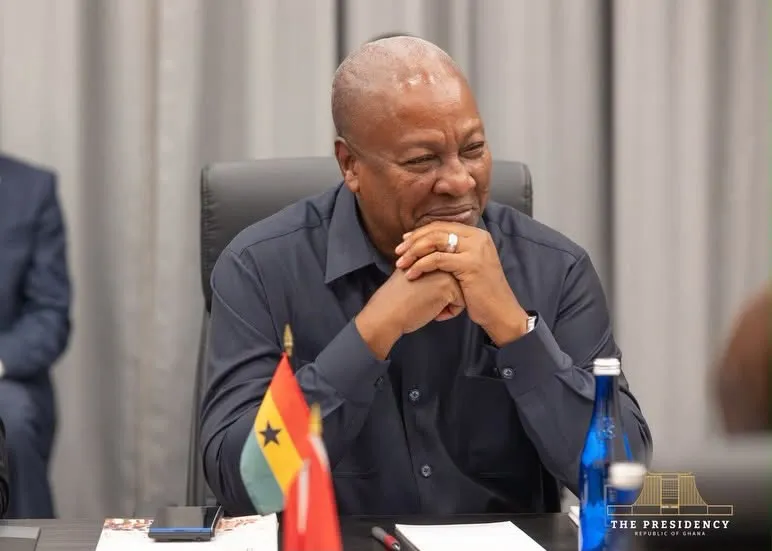
As Ghana marks nearly two years under President John Mahama's administration, prominent economist and former Rector of the Ghana Institute of Management and Public Administration (GIMPA), Professor Stephen Adei, has called for the government to move beyond economic stabilisation and present a detailed long-term transformation roadmap to Ghanaians.
Speaking at the 37th Chartered Institute of Marketing Ghana (CIMG) Annual National Marketing Performance Awards on Saturday, October 17, 2026, Prof Adei stressed that whilst it remains premature to assess the full impact of the government's economic policies, President Mahama should now articulate a clear vision for Ghana's future development that extends well beyond the immediate stabilisation phase.
"It will be unfair to judge a government less than two years old when it comes to transformation of the economy, but President Mahama should now tell the Ghanaians his envisaged roadmap," Prof Adei stated. He emphasised that such a roadmap could become one of the president's most significant legacies, particularly if it provides citizens with a stable foundation for long-term prosperity.
Building on stability to drive transformation
Prof Adei highlighted the importance of leveraging the economic foundations established during the government's first two years to pursue broader structural transformation, rather than allowing previous gains to erode through a return to economic instability.
He specifically referenced a 40-year national development framework that he had worked on in his capacity as chairperson of the National Development Planning Commission, expressing his anticipation for its implementation. Such a long-term plan, he argued, is essential for establishing a lasting direction for Ghana's development.
The economist also flagged the need to maintain fiscal discipline, particularly as Ghana approaches the 2028 general elections—a period when government spending has historically surged, threatening macroeconomic stability.
Why it matters for Ghana
Ghana has struggled with cyclical economic crises driven partly by fiscal pressures during election years. The 2024–2025 debt restructuring and current participation in the International Monetary Fund's 36-month Policy Coordination Instrument have provided temporary breathing room, but experts warn that without a credible long-term strategy, these gains remain vulnerable.
Prof Adei identified several protective factors that could help Ghana avoid a repeat of previous election-year fiscal crises:
- IMF oversight: The Policy Coordination Instrument ensures regular monitoring of fiscal performance.
- Stronger foreign reserves: Accumulated reserves provide a buffer against economic pressures and external shocks.
- Extended debt maturities: The recent debt restructuring has reduced immediate government financing obligations, creating space for more sustainable fiscal management.
However, these measures alone are insufficient without a credible, comprehensive development strategy that Ghanaians can see and understand. The economist stressed that "history will not forgive" Ghana if the country slides back into economic crisis after the progress of recent years.
Prof Adei's call reflects broader concerns among Ghana's policy elite about maintaining momentum beyond short-term stabilisation. As the government consolidates economic gains from its early years, presenting a clear long-term vision could provide the political and economic foundation for sustainable growth, investor confidence, and social stability heading into the crucial 2028 election cycle.
Source: MyJoyOnline



Comments (0)
Be the first to comment.