
Ghana's economy gains resilience against global commodity shocks, IMF confirms

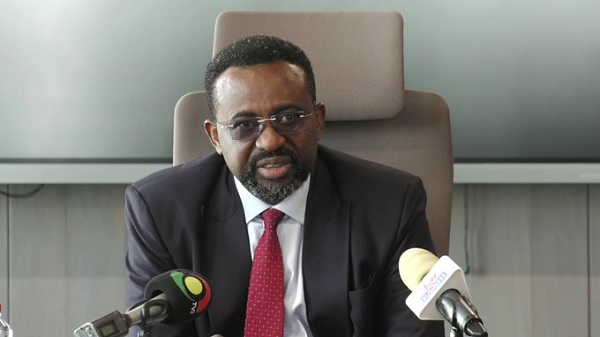
Ghana is well positioned to absorb potential shocks from falling commodity prices, according to Zeine Zeidane, Director of the International Monetary Fund's African Department. Speaking at the launch of the IMF's Regional Economic Outlook report in Bangkok, Thailand, Zeidane highlighted the country's strengthened economic position built on recent policy reforms and accumulated financial buffers designed to shield the economy from external pressures.
The assessment comes as Ghana remains heavily dependent on gold exports, which accounted for the majority of the country's $22.4 billion in total export earnings according to recent Bank of Ghana data. This concentration in a single commodity has historically exposed the Ghanaian economy to significant risks when global prices fluctuate, making the IMF's comments particularly relevant to policymakers and investors watching the economy.
Why it matters for Ghana
Ghana's economy is inherently vulnerable to swings in global gold prices, which the country has little control over. A sharp decline in commodity prices could reduce government revenues, affect foreign exchange earnings, and place pressure on the cedi. However, the IMF's assessment suggests that measures taken in recent months—including fiscal discipline and building of foreign reserves—have improved the country's shock-absorbing capacity. This resilience is particularly important as global economic uncertainty persists and commodity markets remain volatile.
The positive outlook has already been reflected in market confidence. Zeidane noted that two credit rating agencies have upgraded Ghana's sovereign ratings, a signal that international investors view the country's economic trajectory favourably. Such upgrades can lower borrowing costs and improve Ghana's access to international capital markets.
The broader economic picture
Beyond commodity vulnerability, Zeidane addressed two other significant economic issues affecting Ghana's future prospects.
- Artificial intelligence and jobs: When asked about AI's impact on African productivity and employment, Zeidane acknowledged considerable uncertainty about how the technology would affect the Ghanaian workforce. He suggested that AI's immediate job displacement effects in Africa may be limited compared to advanced economies, but cautioned against dismissing the technology's long-term influence on economic structures and skills demand.
- Fuel subsidies: On the contentious issue of petroleum price controls, Zeidane made clear the IMF is not ideologically opposed to measures that reduce fuel costs at the pump. However, he emphasised that poorly designed subsidy programmes typically fail to reach intended beneficiaries and often create fiscal distortions. This reflects ongoing debate in Ghana about how to balance energy affordability with fiscal sustainability.
Policy implications ahead
The IMF's endorsement of Ghana's current economic direction reflects confidence in the government's fiscal and monetary management. The combination of stronger buffers, policy discipline, and improved credit ratings suggests Ghana may navigate the global economic environment more effectively than in previous commodity downturns. However, the country cannot become complacent. Diversifying away from gold dependence remains essential for long-term stability, whilst ensuring that any shock-absorbing capacity is preserved rather than depleted through short-term political spending pressures. The path forward requires continued commitment to the reforms that have earned international credibility.
Source: The Ghana Report


Comments (0)
Be the first to comment.