
Mahama Unveils $10bn New Economy Policy: Ghana to Transform Nine Sectors Without New Debt
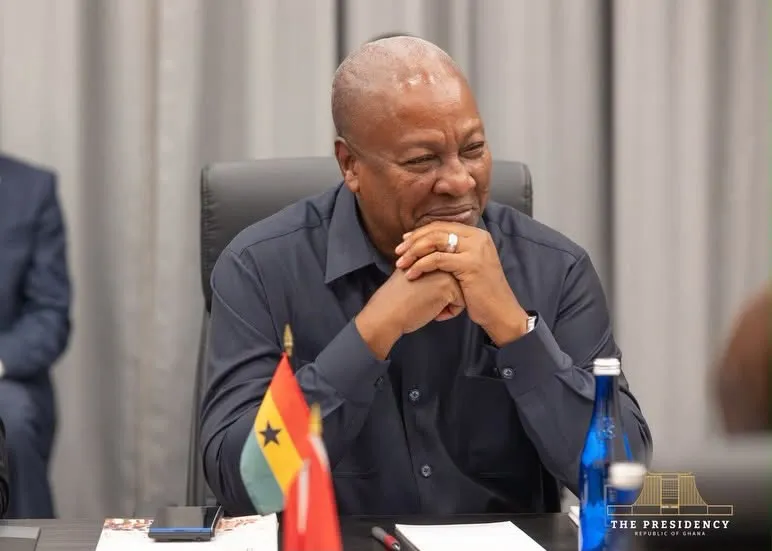

President John Mahama has laid out an ambitious economic blueprint that seeks to inject US$10 billion into the Ghanaian economy over the next five years without accumulating new foreign debt. The New Economy Policy represents a significant shift in how the government plans to finance development, focusing on nine strategic sectors critical to Ghana's growth and employment prospects.
The policy signals a departure from traditional borrowing models that have characterised much of Ghana's development financing over the past decade. By committing to debt-neutral funding, the government appears committed to addressing Ghana's rising debt burden—a concern that has weighed heavily on the nation's fiscal space and credit rating.
The Nine Sectors in Focus
While the full details of which nine sectors qualify under the policy remain to be detailed, such initiatives typically target areas including agriculture, manufacturing, technology and digital services, tourism, energy, healthcare, education, transportation infrastructure, and financial services. These sectors collectively represent Ghana's most promising avenues for job creation and economic diversification beyond traditional extractive industries.
The emphasis on multiple sectors rather than singular focus areas suggests a strategy designed to create employment across urban and rural areas, potentially addressing the concentration of economic opportunity that has historically favoured certain regions.
Financing Without Borrowing: How It Works
The mechanism for achieving US$10 billion in investment without new borrowing likely involves several approaches. The government may redirect existing revenue streams, accelerate tax collection efficiency, deploy state-owned enterprise resources, attract direct foreign investment with streamlined incentives, or establish public-private partnerships where private capital bears initial investment burden.
This approach contrasts with Ghana's recent debt challenges. The country secured a US$3 billion International Monetary Fund bailout programme in 2023 after facing acute fiscal pressures, debt sustainability concerns, and currency depreciation that pushed inflation to record levels.
Why This Matters for Ghana
The timing of this announcement is significant for several reasons. Ghana's youth unemployment remains a persistent challenge, with millions of young people entering the labour market annually without sufficient job opportunities. An injection of US$10 billion into productive sectors could tangibly improve employment prospects, though much depends on implementation quality and sectoral prioritisation.
Additionally, if successfully executed without additional borrowing, this policy demonstrates fiscal discipline that could restore international investor confidence and positively influence Ghana's credit ratings. A stronger fiscal position would reduce borrowing costs and free government resources for critical social spending.
However, success hinges on transparent allocation of funds, effective project management, and genuine private sector participation. Ghanaians have experienced numerous development announcements over the years; accountability and visible outcomes will determine whether this policy gains public confidence.
The policy also reflects broader continental conversations about African nations reducing debt dependency and building sustainable growth models. If Ghana can demonstrate this works, it may influence regional peers grappling with similar fiscal constraints.
Source: 3News



Comments (0)
Be the first to comment.