Beyond Band-Aid Solutions: Can Ghana Build Real Economic Foundations to Stabilise the Cedi?

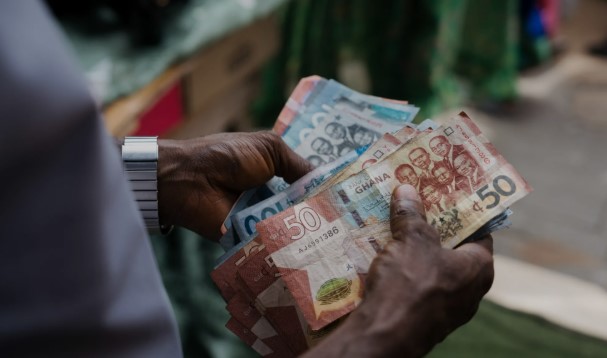
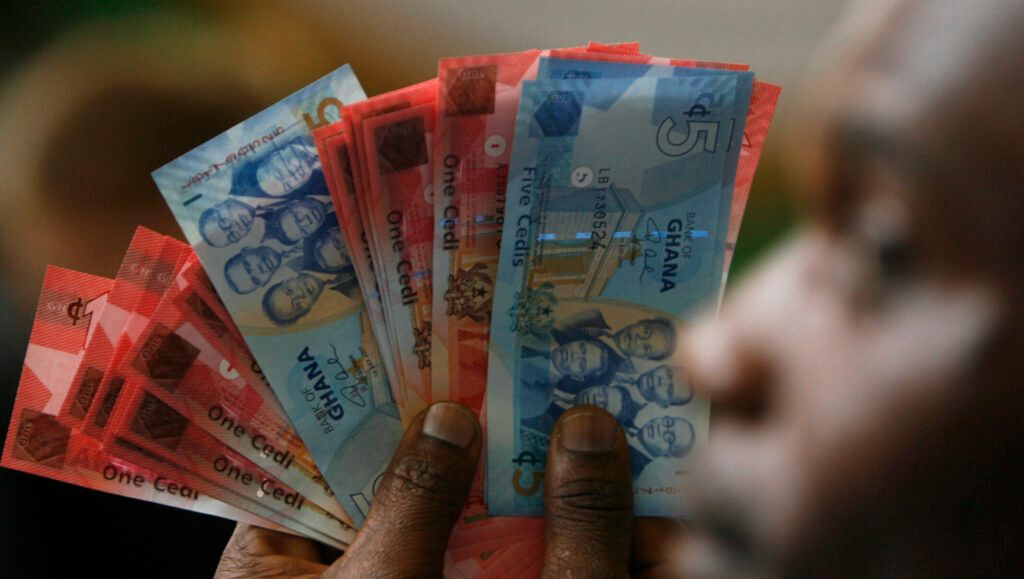
Ghana's cedi has experienced considerable volatility in recent years, prompting intense debate among economists and policymakers about whether recent stabilisation efforts represent genuine economic recovery or merely temporary relief masking deeper structural weaknesses. The distinction matters enormously for ordinary Ghanaians, whose purchasing power, savings and ability to plan for the future depend on sustained currency strength.
The central question at the heart of this discussion is straightforward: Is Ghana addressing the root causes of cedi depreciation, or applying short-term fixes that will eventually unravel? Recent months have seen the currency recover somewhat from its worst levels, but many analysts warn that without fundamental reforms to Ghana's productive capacity, this improvement could prove fleeting.
The Case for Structural Economic Reform
Economists increasingly argue that sustainable cedi stability requires Ghana to strengthen its productive base—the economy's ability to generate goods and services that compete domestically and internationally. A more productive economy would naturally earn more foreign exchange through exports, reduce dependence on imports, and create the conditions for genuine economic growth that can support currency strength.
Currently, Ghana remains heavily reliant on imports for many goods, creating constant pressure on the cedi as businesses and consumers spend foreign currency abroad. Meanwhile, export earnings concentrate narrowly on commodities like cocoa and gold, leaving the economy vulnerable to global price swings beyond Ghana's control. Building a more diversified, productive economy—through investments in manufacturing, agriculture value-addition, and services—would help rebalance this dynamic.
A stronger productive base would generate several tangible macroeconomic benefits. First, it would improve the balance of payments by reducing the import bill and boosting export revenues. Second, it would create sustainable employment opportunities, reducing the pressure of informal sector activity that often drains foreign exchange. Third, it would provide genuine tax revenue to government without requiring the austerity measures that can slow growth and weigh on ordinary Ghanaians.
Why It Matters for Ghana
For Ghana's citizens, the difference between artificial stability and genuine equilibrium is profound and immediate. A cedi that stabilises through temporary fixes—whether policy adjustments, external loans, or favourable commodity prices—can collapse suddenly when circumstances change. This creates uncertainty that damages long-term planning and investment decisions. Businesses hesitate to invest if they fear currency shocks; individuals postpone major purchases; and young Ghanaians consider emigration when they lack confidence in the economy's trajectory.
In contrast, true economic stability rooted in productive capacity offers genuine confidence. It means the cedi strengthens because Ghana is creating real value and earning real export revenue, not because of artificial interventions. For savers and workers, this translates into predictable purchasing power and wages that aren't constantly eroded by inflation tied to currency weakness.
The path to this stability requires sustained focus on economic diversification, infrastructure investment, and human capital development—areas where Ghana has made progress but where much work remains. Regional competition within West Africa is intensifying, and Ghana cannot afford to treat currency stabilisation as a periodic crisis to manage rather than an outcome of consistent structural reform.
The Road Ahead
Ghana's current policy framework has helped arrest the cedi's worst declines, but policymakers must resist the temptation to declare victory prematurely. The real test lies in whether these stabilisation efforts are accompanied by genuine improvements in productive capacity and export competitiveness. Without that foundation, the cedi's apparent recovery could prove as temporary as previous cycles of brief stability followed by renewed pressure.
Source: 3News


Comments (0)
Be the first to comment.