
Ghana bolsters Ebola defences as virus spreads to Kenya and Nigeria
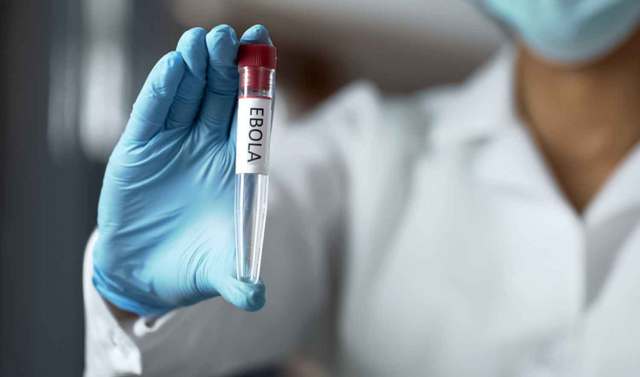

Ghana's Ministry of Health has announced a comprehensive strengthening of its Ebola prevention and response systems following confirmed cases of the virus in Kenya and Nigeria, countries with significant travel connections to Ghana. The government has activated enhanced screening, surveillance and emergency preparedness protocols to protect citizens, though no cases have been recorded locally.
The escalation comes as the Bundibugyo strain of Ebola continues spreading across East and West Africa. Kenya confirmed its first case on 6 October 2026, caused by the Bundibugyo virus, with six additional cases—including healthcare workers—linked to the initial infection by 17 October. Nigeria reported a confirmed case in the Federal Capital Territory on 20 October. Both developments present direct risks to Ghana given the high volume of passenger traffic from these countries.
Ghana's multi-layered response strategy
The Ministry of Health, working through the Ghana Health Service and partner agencies, has implemented several concrete measures to prevent importation and ensure rapid detection of any suspected cases. Airport screening has been significantly enhanced, with coordination between the Ghana Airports Company Limited, Civil Aviation Authority and health stakeholders to streamline detection processes.
Simulation exercises have been conducted at Accra International Airport and the Ghana Infectious Disease Centre to test response protocols and identify weaknesses. These drills are critical for ensuring staff can identify and manage suspected cases swiftly and safely.
Laboratory capacity has been upgraded through updated standard operating procedures, whilst healthcare workers nationwide are receiving sensitisation training to improve recognition and appropriate management of Ebola symptoms. Travellers arriving from high-risk areas will be monitored throughout their stay in Ghana for the full 21-day incubation period in line with public health protocols.
Public education campaigns at airports are providing travellers with information on prevention and symptoms, whilst the ministry has urged the public to obtain health updates exclusively from official government channels.
Why it matters for Ghana
Ghana's exposure to this outbreak differs from previous Ebola crises. Kenya's direct air connections with Ghana mean faster transmission risk than historically posed by the DRC outbreak. Nigeria's proximity and the substantial daily cross-border movement between the two countries—through land, air and sea—creates additional urgency. The involvement of healthcare workers in Kenya underscores how quickly the virus can spread within healthcare systems, a particular concern for Ghana's hospitals.
The government's proactive stance reflects lessons learnt from past outbreaks and the critical importance of early action. Ebola spreads only through direct contact with blood or bodily fluids of infected persons or contaminated materials; it is not airborne. However, its high fatality rate and lack of approved vaccines in most countries make prevention and early isolation essential.
Ghana's economic ties to both Kenya and Nigeria mean that trade and travel will continue; the strategy therefore focuses on intelligent screening and monitoring rather than blanket bans. Public cooperation and adherence to health protocols remain pivotal.
What Ghanaians should know
The Ministry of Health has outlined key information for the public. Ebola symptoms typically appear two to 21 days after exposure, with an average of eight to 10 days. Early signs include high fever, severe headache, extreme fatigue, sore throat and chills; later symptoms may include unexplained bleeding and confusion.
Anyone returning from Kenya, Nigeria or other affected areas who develops these symptoms should seek immediate medical attention and inform healthcare workers of their travel history. The public should maintain good hand hygiene, avoid contact with anyone experiencing unexplained fever or bleeding, and refrain from sharing unverified information about Ebola cases.
The Ministry has reassured Ghanaians that comprehensive measures are in place and urged calm, continued vigilance and cooperation with health authorities.
Source: MyJoyOnline

Comments (0)
Be the first to comment.