
Ghana at 67: A nation of infinite promise, finite progress—what went wrong?
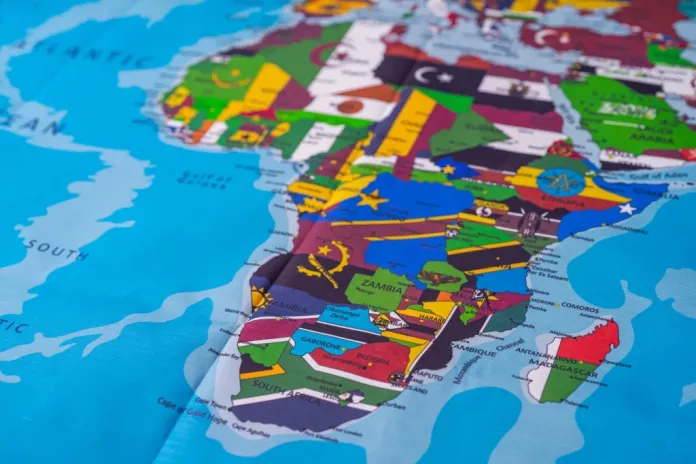

Ghana stands at a peculiar crossroads in its national story. Blessed with abundant natural resources, a vibrant culture, and a people renowned for resilience and creativity, the nation nonetheless finds itself wrestling with fundamental development challenges that ought, by any measure, to have been resolved decades ago. This contradiction—between what Ghana possesses and what it has achieved—demands honest reflection.
When Ghana became the first sub-Saharan African nation to gain independence on 6 March 1957, the moment carried profound symbolic weight. The world watched with admiration. Africa celebrated with pride. Independence represented far more than a change of flags or the transfer of administrative power; it embodied a vision of a modern African republic governed by integrity, disciplined by public purpose, and unified by commitment to national development. Yet nearly seven decades later, that grand vision remains substantially unrealised.
The paradox of plenty
On paper, Ghana's endowments appear almost impossibly generous. The nation sits atop vast mineral wealth—gold, manganese, bauxite, lithium, and precious gems lie beneath the soil in significant quantities. Forests blanket the landscape. Rivers possess untapped hydroelectric potential. Coastlines host historical castles that stand as witnesses to both humanity's darkest chapters and its capacity for resilience. Beyond these material riches lies something equally valuable: a living, authentic culture expressed through language, tradition, festival, and deeply rooted communal values that few nations can match.
The Ghanaian people themselves represent perhaps the greatest asset—hospitable, creative, industrious, and stubbornly hopeful even in the face of persistent hardship. Yet this extraordinary constellation of blessings has not translated into the broad-based prosperity and modern development that logic would suggest should accompany such abundance.
Why it matters for Ghana
This disconnect between potential and performance raises urgent questions about governance, institutional effectiveness, and national priorities. Education systems strain under pressure despite Ghana's investment in free policies. Healthcare continues labouring under severe constraints when the nation possesses the economic capacity to do better. Agriculture, despite endlessly fertile lands, fails to realise its modern potential or feed the nation reliably. Industries that should be thriving engines of export remain structurally uncertain. Young Ghanaians—the nation's single greatest asset—face increasingly bleak employment horizons.
The issue is not abstract economic theory but observable, lived reality. Successive governments have promised transformation; institutions have been created and reformed; policies have been announced with fanfare. Yet the fundamental trajectory of underdevelopment persists. For citizens struggling to afford education, healthcare, or basic dignities, these failures are not merely statistical—they are personal, daily, and deeply frustrating.
The reckoning ahead
Ghana's story need not be one of infinite postponement. The resources exist—both material and human. What appears to be missing is not capacity but rather the sustained collective will to transform institutional culture, prioritise transparent stewardship over patronage, and align national resources with stated development goals. The question facing contemporary Ghana is not whether transformation is possible, but whether the nation will finally summon the courage to demand and implement it.
The national anthem, recited routinely at school assemblies and state events, contains within it promises made over fifty years ago. For millions of ordinary Ghanaians, the question has become urgent: when will those promises move from ceremonial words to lived reality?
Source: The Ghana Report

Comments (0)
Be the first to comment.