
German envoy urges human-centred approach to Volta Region coastal crisis as erosion threatens livelihoods
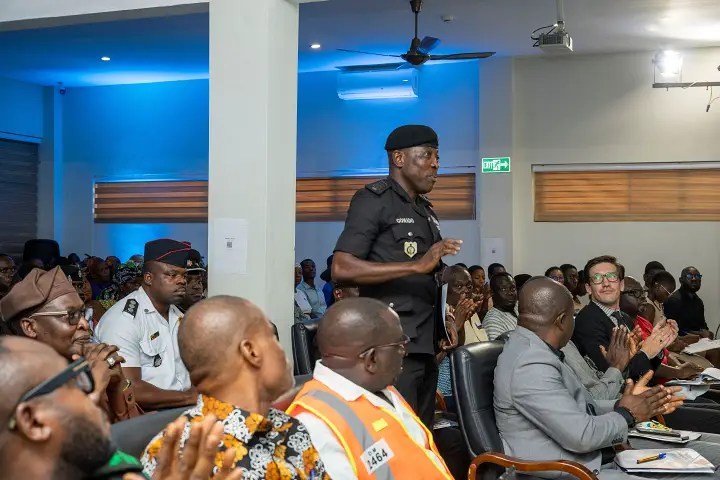
Germany's Ambassador to Ghana has urged a fundamental shift in how coastal erosion is tackled in the Volta Region, warning that protection strategies must centre on the people and communities most at risk rather than focusing solely on physical infrastructure. Speaking at a Climate Talks 2026 dialogue in Keta, H.E. Frederik Landshoeft emphasised that the region's coastal crisis demands solutions that safeguard homes, incomes and human dignity alongside environmental restoration.
The Ambassador's intervention comes as coastal communities in Keta and surrounding areas face mounting pressure from rising sea levels and erosion. Fishing households, farmers and small businesses dependent on coastal access are experiencing severe income disruption, food insecurity and the threat of displacement. The challenge extends beyond environmental management—it represents a critical test of Ghana's ability to protect vulnerable populations whilst building lasting resilience.
The scale of the Volta Region coastal challenge
Coastal erosion in Ghana's Volta Region is not a new problem, but its intensity is accelerating. Communities that have inhabited these shores for generations now face the prospect of losing their homes, farmland and access to fishing grounds within years rather than decades. The Environmental Protection Authority and National Disaster Management Organisation have long flagged the severity of the situation, yet comprehensive, people-centred solutions remain elusive.
The Keta dialogue brought together government agencies, traditional authorities, security personnel, academic experts and affected community members to examine how coastal degradation connects to broader issues of human security and economic stability. Participants acknowledged that erosion does not occur in isolation—it compounds existing vulnerabilities, disrupts food systems and can trigger displacement that creates security risks across entire regions.
Why this matters for Ghana
The German Ambassador's call for integration reflects a growing international understanding that climate adaptation in developing nations must address poverty, inequality and livelihood security simultaneously. For Ghana, this message carries weight as the country navigates its own climate commitments whilst managing competing pressures on limited public resources.
The coastal erosion crisis in Keta exemplifies how environmental degradation and human vulnerability intersect. Young people already migrate from coastal areas due to economic decline; without deliberate intervention linking coastal protection to sustainable livelihoods, this trend will accelerate, draining the region of human capital and deepening urban pressure elsewhere. Moreover, displaced populations without economic alternatives face heightened vulnerability to irregular migration, informal settlement in dense urban areas and potential involvement in illegal activities—all of which carry security implications.
Germany's commitment to supporting Ghana through technical cooperation and institutional capacity-building could help strengthen the coordination mechanisms needed. Effective responses require that the EPA, disaster management authorities, local government and traditional leaders work in concert with residents themselves, drawing on both scientific expertise and generations of local knowledge about coastal dynamics and adaptation.
Building lasting community resilience
The dialogue participants identified several priorities for integrated adaptation: early warning systems and community preparedness training, sustainable livelihood alternatives (aquaculture, eco-tourism, small-scale manufacturing), public health and social protection expanded to climate-vulnerable areas, and infrastructure designed with local input. Crucially, all such measures must be implemented with genuine community participation—not imposed from above.
Protecting the Volta Region's coastal communities is ultimately a test of Ghana's commitment to inclusive development and climate justice. The challenge demands more than engineering solutions; it requires political will to prioritise human dignity, livelihood security and community voice in every decision that affects these communities' futures.
Source: Ameyaw Debrah


Comments (0)
Be the first to comment.