Germany Pushes for Ghanaian Communities at Heart of 2026 Climate Talks

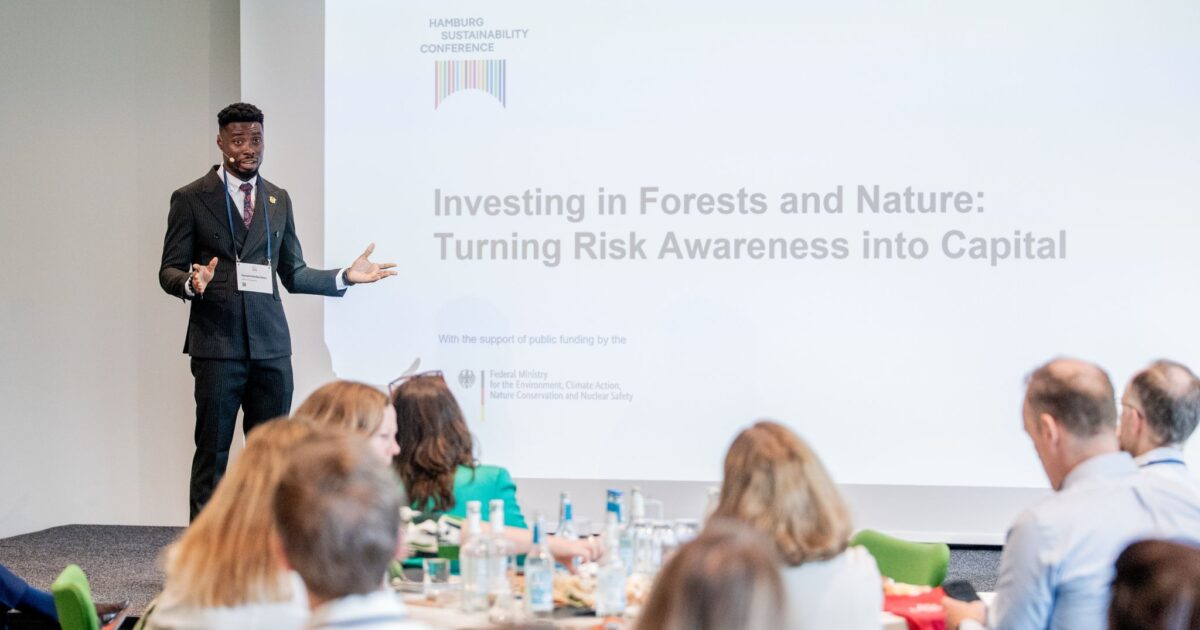
The German Ambassador to Ghana, Frederik Landshöft, has called for a fundamental shift in how the world approaches climate action, insisting that communities bearing the heaviest burden of climate impacts must lead the conversation at upcoming 2026 climate negotiations rather than being sidelined by international policymakers.
Addressing the critical role Ghana and other frontline nations must play, Ambassador Landshöft emphasised that Ghanaian institutions and communities—those witnessing firsthand the effects of changing weather patterns, rising temperatures, and environmental degradation—are best positioned to design climate solutions tailored to their unique challenges. This represents a departure from traditional top-down climate diplomacy where wealthier nations and multinational organisations dictate terms.
Why it matters for Ghana
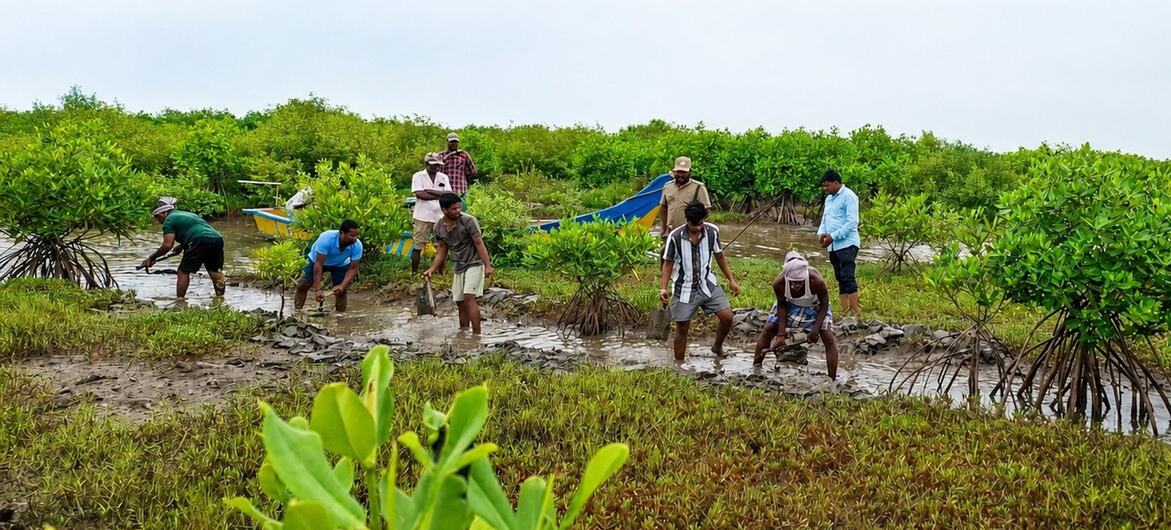
Ghana stands at the intersection of climate vulnerability and opportunity. The country faces mounting pressures from erratic rainfall patterns affecting agriculture, coastal erosion threatening communities and infrastructure, and water scarcity in drought-prone regions. Yet these same challenges position Ghana as a key voice in global climate negotiations—one that cannot be ignored if meaningful progress is to be achieved.
When international climate frameworks are negotiated without meaningful input from affected African nations, the resulting policies often fail to address local realities. Ghanaian farmers, fishermen, and coastal communities understand their environment in ways that Geneva-based negotiators cannot. Ambassador Landshöft's call recognises this expertise and advocates for institutional mechanisms that genuinely empower Ghanaian decision-makers rather than relegating them to observer status.
This positioning also strengthens Ghana's negotiating hand. As climate talks increasingly focus on climate finance, loss and damage mechanisms, and adaptation funding, nations that can demonstrate they have inclusive, community-driven climate strategies are better positioned to secure international support and investment.
Germany's Climate Commitment and Partnership with Ghana
Germany's advocacy reflects broader European efforts to reshape climate diplomacy ahead of 2026 negotiations. By publicly backing Ghanaian leadership on climate issues, Germany signals its commitment to equity in global environmental governance—a principle that resonates across the African continent and the Global South more broadly.
The emphasis on local leadership also aligns with practical climate implementation. Solutions designed with community input typically achieve better adoption rates and sustainability outcomes. When Ghanaians shape their own climate strategies, accountability flows directly to those most affected, creating stronger incentives for genuine change.
Looking Ahead
As Ghana prepares for the 2026 climate talks, the Ambassador's message suggests an opportunity for the country to formalise mechanisms ensuring that farmers' associations, youth climate activists, women's groups, and traditional leaders have direct seats at the negotiating table. This could mean establishing national climate councils with real decision-making power or ensuring that climate policy reflects inputs from communities across all 16 regions.
The path forward requires institutional strengthening in Ghana and clear commitment from international partners like Germany to back words with resources. Climate talks in 2026 will determine financial commitments for the coming decades—making it essential that Ghana's voice is not just present, but heard.
Source: 3News
Comments (0)
Be the first to comment.