Africa losing species at alarming rate as UN calls for urgent biodiversity action
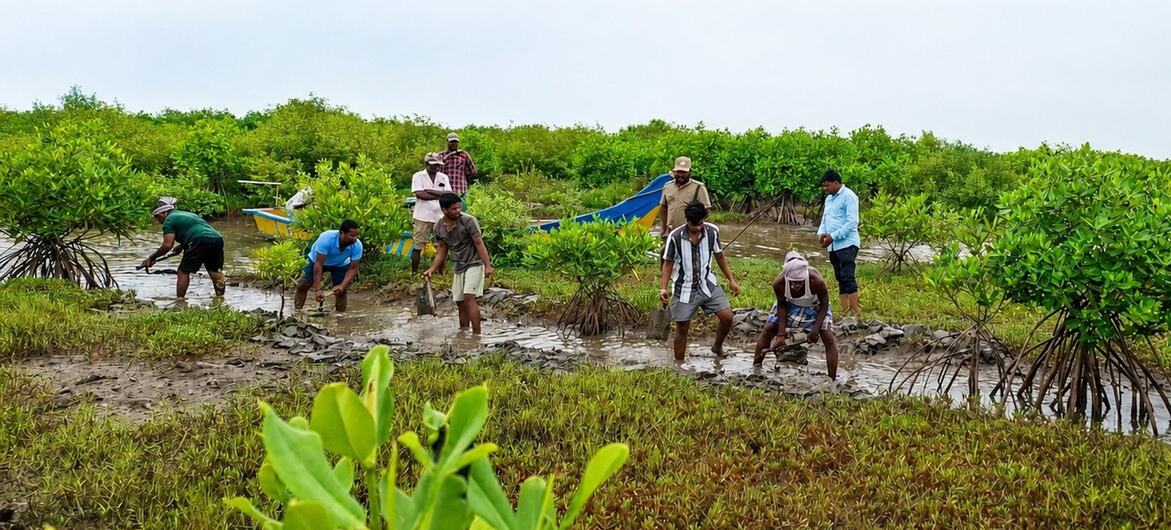
Africa faces an escalating biodiversity crisis that threatens the survival and prosperity of millions of people across the continent, the United Nations Convention on Biological Diversity has warned. Scientists and government officials gathered in Nairobi this week to address the growing loss of species and ecosystems that communities depend on for food, income, clean water and climate resilience.
The scale of the problem is stark. Africa, which harbours approximately a quarter of the world's biodiversity, has already lost about 24% of its species since the pre-industrial period. This decline is particularly concerning because rural and coastal populations across the continent rely directly on natural resources for their survival and economic wellbeing, making biodiversity loss a matter of immediate human concern rather than merely environmental interest.
Executive Secretary of the Convention on Biological Diversity, Astrid Schomaker, highlighted a fundamental imbalance driving the crisis: the world spends 30 times more money on activities that destroy nature than on protecting it. This funding gap underlies the continent's struggle to conserve its ecosystems, with harmful investments and government subsidies—particularly those supporting fossil fuels—continuing to outweigh conservation spending.
Drivers of species loss in Africa
Multiple pressures are eroding Africa's natural heritage. Climate change ranks among the principal causes, with Africa particularly exposed to increasingly severe climate shocks. Rising temperatures, invasive species, pollution, and the overuse of land and water resources compound the problem, creating cascading effects across ecosystems. These pressures directly undermine the natural systems that rural communities depend on to produce food, generate income and access clean water.
The interconnected nature of these challenges means that addressing biodiversity loss requires action across multiple sectors simultaneously. Government subsidies supporting activities harmful to nature must be redirected towards conservation, whilst financial institutions need incentives to invest in nature protection rather than exploitation.
Why it matters for Ghana and West Africa
Ghana, like other West African nations, faces direct consequences from continental biodiversity loss. The country's forests, wetlands and coastal ecosystems support both wildlife and human communities. Loss of biodiversity threatens agricultural productivity, fisheries—critical to Ghana's economy and food security—and water security, all of which are already under pressure from climate change and population growth.
The Kunming-Montreal Global Biodiversity Framework, agreed at the 2022 COP15 meeting in Montreal, provides a roadmap for reversing biodiversity loss by 2030. Ghana and other African nations must translate these international commitments into concrete national policies and investments. This requires integrating biodiversity considerations into national development plans, economic policies and land-use decisions—not treating conservation as separate from development priorities.
Path forward and the role of COP17
Recommendations emerging from the Nairobi meetings are expected to inform discussions at COP17, scheduled for 19 October, where countries will review progress towards the Global Biodiversity Framework. Early signs suggest serious international commitment, with 125 countries submitting reports demonstrating engagement with biodiversity protection efforts.
The challenge now, as Ms Schomaker emphasised, is converting scientific knowledge and international agreements into tangible action. Individual actions—tree planting, creating insect habitats and avoiding harmful chemicals—matter, but systemic change is required. Governments must align financial systems with conservation goals, whilst individuals must understand that protecting biodiversity is ultimately about protecting their own livelihoods and future.
Source: MyJoyOnline


Comments (0)
Be the first to comment.