
Ghana hosts landmark Climate x Culture Summit: How creative industries can drive climate action
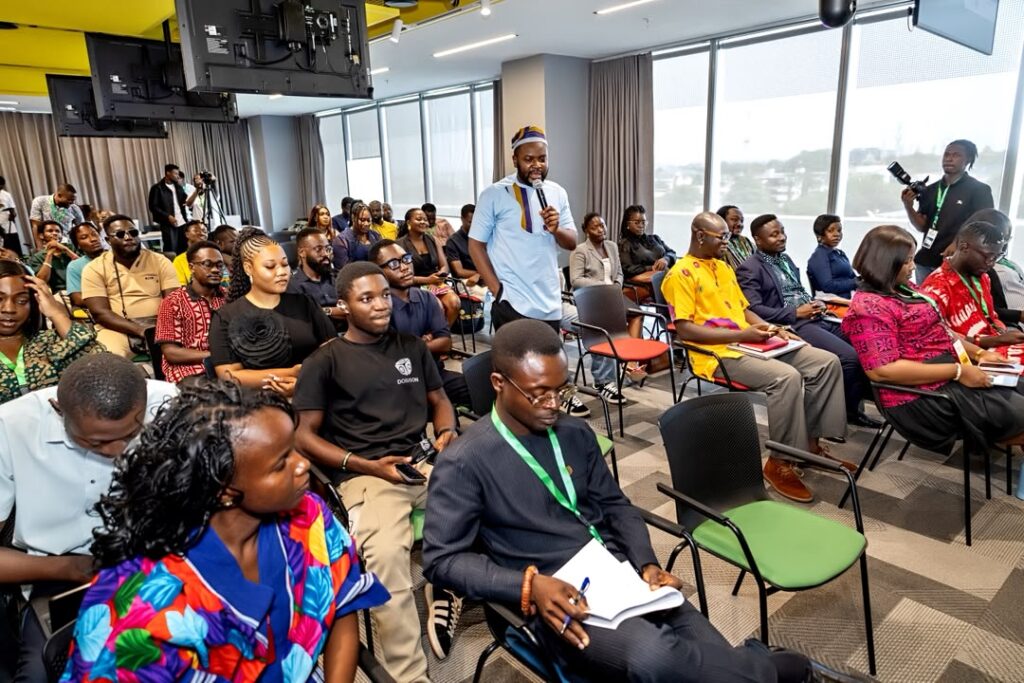

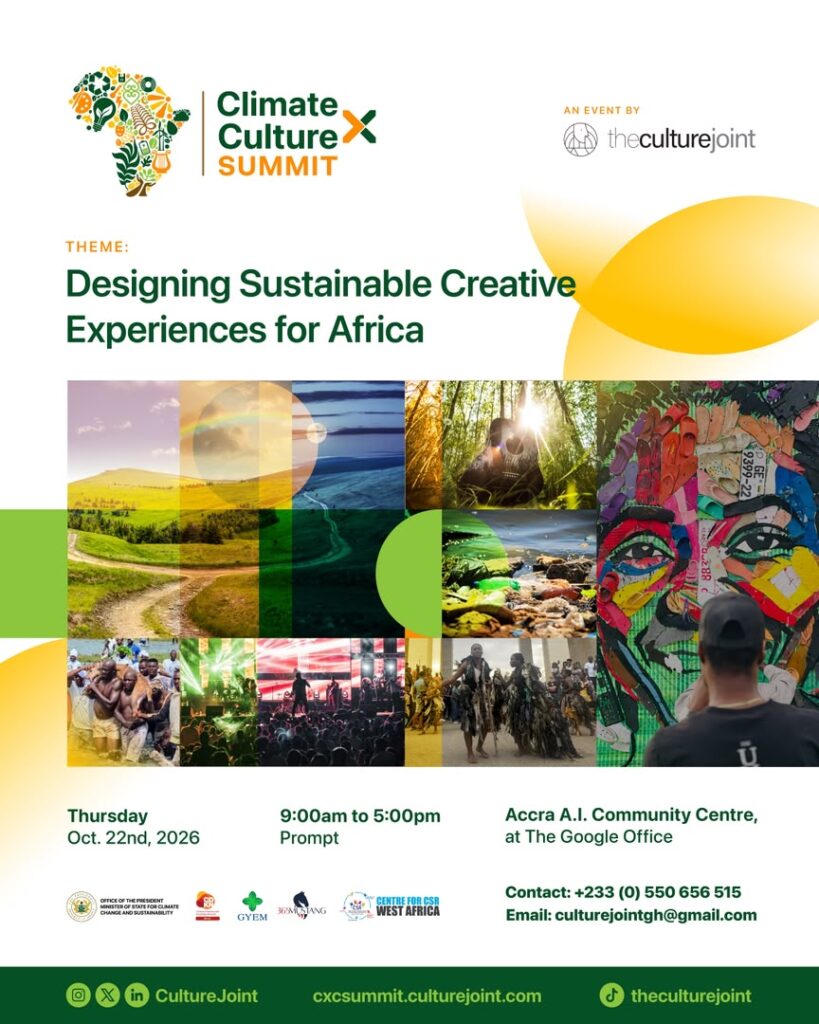
Ghana has become the focal point for a groundbreaking conversation on how the creative industries can drive climate action across Africa. The inaugural Climate x Culture Summit 2026, held in Accra on 22 October, brought together climate scientists, musicians, artists, cultural leaders, technology innovators and sustainability professionals to explore an often-overlooked truth: that culture and creativity are powerful tools for environmental change.
Organised by CultureJoint in partnership with Ghana's Ministry of Climate Change and Sustainability, the summit challenged the traditional narrative that climate action is primarily a scientific or policy matter. Instead, it positioned music, storytelling, visual arts, theatre, dance and cultural heritage as vehicles for shifting public attitudes towards sustainability and encouraging behavioural change at community level.
Music and indigenous knowledge as climate solutions
The summit's opening panel, titled "The Big Picture: Climate × Culture — Why Creativity Matters in the Climate Decade," revealed how Ghanaian institutions are already bridging science and culture. Dr Enoch Bessah from the DIPPER Lab at KNUST presented the Smart Indigenous Weather App (SIWA), which integrates traditional forecasting knowledge with modern technology to help communities adapt to changing weather patterns. This practical example demonstrated that indigenous knowledge systems—passed down through generations via cultural practices—hold valuable insights for climate resilience.
Musician and climate activist Okyeame Kwame emphasised the particular power of music in climate communication. Through his work, he has shown how drumming, poetry, dance and festivals can convey environmental messages in ways that resonate deeply with Ghanaian audiences. Rather than relying solely on scientific reports or policy briefs, these cultural expressions make climate action feel locally relevant and emotionally compelling.
Panellists including Valerie Kplorm Nutakor from the Climate and Development Knowledge Network and Betty Osei Bonsu Adjei of the Green Africa Youth Organization stressed that effective climate engagement requires connecting scientific evidence with the cultural experiences and worldviews that actually shape how communities understand environmental change.
Greening Ghana's events and creative sector
A second major focus examined the environmental footprint of Ghana's thriving festival and live entertainment scene. The panel "Designing Sustainable Creative Experiences: Greening Ghana's Events and Creative Industry" addressed a critical tension: how to preserve the cultural and economic value of concerts, festivals and live performances while minimising their impact on the environment.
Experts including Joseph Zotoo from The Or Foundation and Nii Noi Kofi Omaboe from the Ghana National Plastic Action Partnership discussed practical strategies—from energy efficiency and waste management to responsible sourcing of materials and reduction of single-use plastics in event production. The conversation acknowledged that festivals and live entertainment are essential to Ghana's cultural identity and economic activity, employing thousands and generating significant revenue. The challenge, therefore, is not to eliminate these events but to make them genuinely sustainable.
Why it matters for Ghana
This summit arrives at a critical moment for Ghana. The country faces increasing climate pressures—unpredictable rainfall patterns affecting agriculture, coastal erosion threatening communities, and rising temperatures impacting public health. Meanwhile, Ghana's creative industries are a growing economic force, with music, film, fashion and visual arts contributing significantly to GDP and employment, particularly among young people.
By positioning culture as central to climate action, the summit offers Ghana a distinctive pathway forward. Rather than importing climate solutions wholesale from developed nations, Ghana can harness its own cultural traditions, artistic talent and creative energy to build climate resilience from within. This approach is more likely to gain traction with ordinary Ghanaians than top-down policy mandates alone.
The summit also sends a message to policymakers: investing in creative-sector sustainability and supporting artists who engage with environmental themes is not a luxury but a strategic priority. The musicians, storytellers and cultural leaders in Ghana's creative industries have the platform and credibility to reach millions with messages about climate action in ways that technocrats and scientists cannot.
As Ghana continues to grapple with climate impacts and seeks to meet its sustainability commitments, events like the Climate x Culture Summit demonstrate that solutions lie not only in policy documents and technology but in the voices, rhythms and stories of the Ghanaian people.
Source: MyJoyOnline


Comments (0)
Be the first to comment.