
Ghana's climate leadership: From UN talks to village action plans
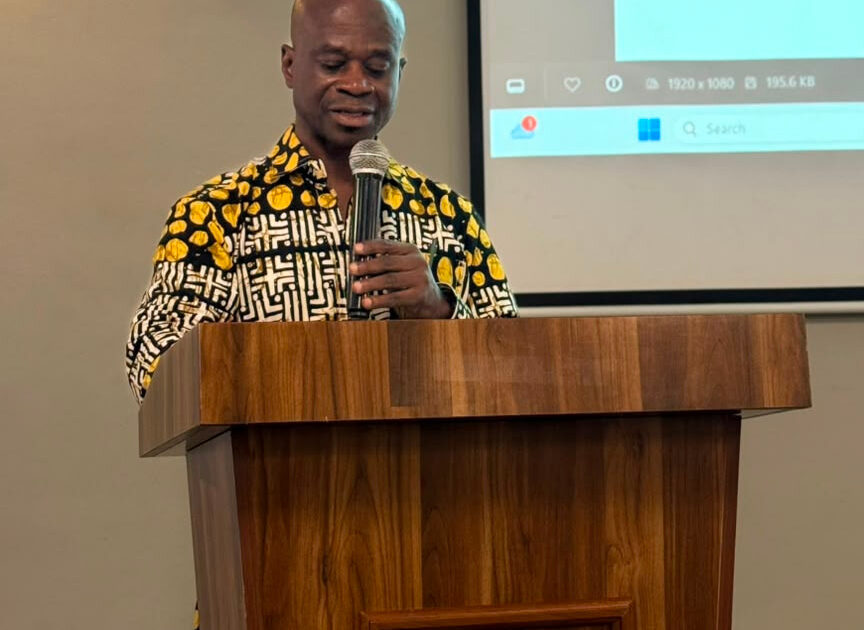

The African Group of Negotiators has issued a stark reminder that global climate commitments are meaningless unless they reach farmers' fields, district planning offices, and community decision-making tables. Speaking at a strategic climate meeting in Liberia, the AGN Chair emphasised that Africa's climate future depends far more on what happens after negotiations end than on the agreements themselves.
For Ghana, this message carries particular weight. As a nation vulnerable to climate shocks—from erratic rainfall affecting cocoa and maize production to rising sea levels threatening coastal communities—the gap between international policy and local action directly determines whether ordinary Ghanaians benefit or suffer from climate action. Ghana's own Nationally Determined Contributions and National Adaptation Plans remain largely documents unless they translate into support systems that reach struggling farmers, fishing communities, and urban workers.
Why it matters for Ghana
Ghana has ratified major climate agreements and committed to ambitious emissions reductions and adaptation targets. However, implementation has proven uneven. Rural farmers often lack access to climate-smart agriculture training or early warning systems for extreme weather. Youth unemployment in urban areas has created limited entry points for the green jobs that climate action promises. Women, who form a significant portion of Ghana's agricultural workforce, frequently lack meaningful roles in local climate planning.
The AGN's call for financial and technical support directly addresses Ghana's constraints. Expanding climate education, building local institutional capacity, and ensuring communities can access climate data require sustained investment that Ghana cannot shoulder alone. Without enhanced international financing and technology transfer—pillars of the Paris Agreement—Ghana's climate commitments risk remaining aspirational rather than transformative.
Moreover, Ghana will benefit directly as COP32 is scheduled to be hosted in Africa, elevating the continent's influence on global climate negotiations. This amplifies the importance of demonstrating that African countries can deliver tangible local outcomes, not merely participate in diplomatic roundtables.
The implementation challenge
Dr. Amoah's core argument—that success is measured by what changes beyond the negotiating room—addresses a persistent African reality. International climate summits generate headlines and commitments, yet many countries struggle to cascade these into district-level planning, farmer-friendly guidance, and youth engagement. Ghana's Environmental Protection Agency and regional environmental bodies face staffing constraints and limited budgets that hinder their ability to support frontline implementation.
The AGN is framing climate empowerment as a non-negotiable element of COP31 and beyond, demanding that wealthy nations and multilateral institutions commit to closing the implementation gap. This includes funding for climate literacy programmes in Ghanaian schools, subsidised access to climate data for smallholder farmers, and capacity-building for local government officers tasked with integrating climate resilience into district development plans.
What lies ahead
Ghana, as part of the African negotiating bloc, stands to benefit from this unified African position—but only if the country translates backing for the AGN's demands into concrete domestic action. This means aligning district assemblies, environmental agencies, and civil society around a shared vision of climate empowerment that reaches every region and sector.
The message is clear: Africa will not accept climate diplomacy that enriches negotiators' experience whilst leaving farmers, fishers, and youth without the tools or knowledge to adapt and thrive. For Ghana, that means the real test begins after COP31—in how quickly and effectively the nation equips its people to shape their own climate futures.
Source: MyJoyOnline



Comments (0)
Be the first to comment.