Government launches feasibility study for Keta-Axim coastal water transport link
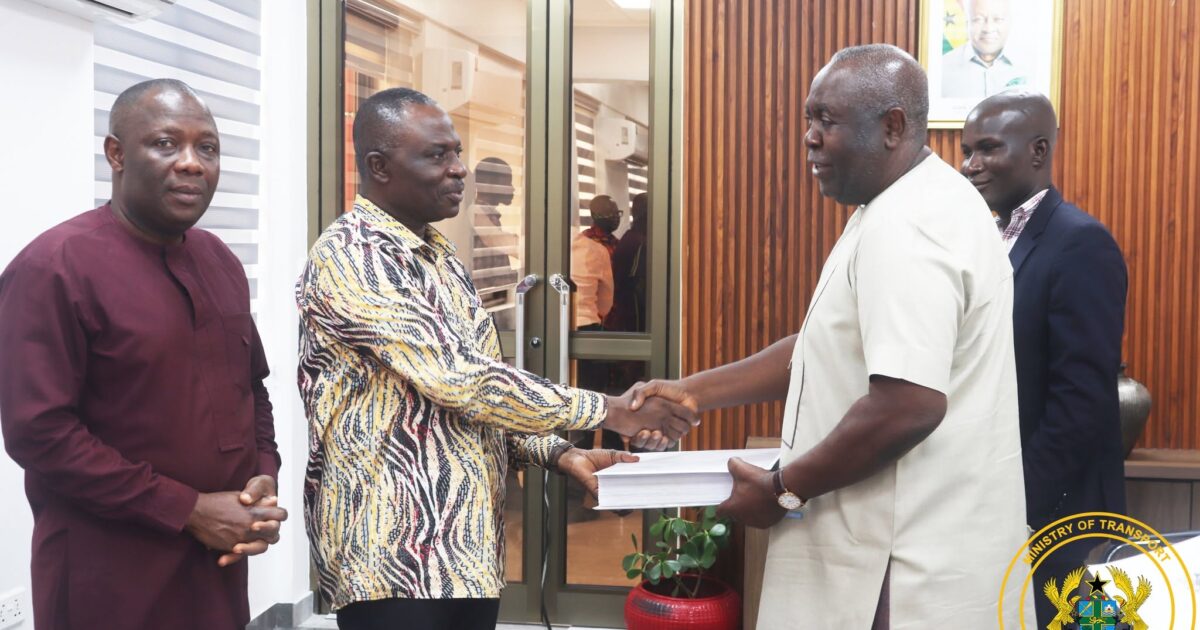
Ghana's government has taken a significant step towards establishing a coastal water transport service connecting Keta in the Volta Region with Axim in the Western Region. The Ministry of Transport has contracted Vision Consult, in partnership with KPMG, to conduct a comprehensive six-month feasibility study that will determine whether the ambitious transport corridor can be developed successfully.
The assessment represents a major investment in infrastructure planning for one of West Africa's longest coastlines. The consultancy team will evaluate the technical specifications, operational requirements, and logistical challenges involved in establishing a reliable maritime passenger and cargo service along Ghana's southern seaboard. Beyond the engineering and technical aspects, the study will also examine the commercial viability of the proposed route and identify the regulatory and infrastructural conditions necessary for implementation.
What the feasibility study will examine
The consultants are tasked with producing a comprehensive report that goes beyond mere technical feasibility. Their work will include:
- Assessment of vessel requirements and maritime infrastructure needed at both terminals
- Evaluation of commercial demand and passenger projections for the route
- Analysis of operational costs and revenue sustainability
- Identification of regulatory and safety standards that must be met
- Recommendations on the conditions and investment required before launch
The final report will serve as the government's evidence base for deciding whether to proceed with the project. This methodical approach reflects international best practice in transport infrastructure development, ensuring that public resources are allocated only to projects with genuine prospects of success.
Why it matters for Ghana
This initiative addresses a long-standing gap in Ghana's transport infrastructure. The Keta-Axim route would create the first dedicated coastal water transport link between the Volta and Western regions, offering travellers and traders a genuine alternative to congested road networks. For communities in coastal areas, this could significantly reduce travel times and transport costs whilst easing pressure on the country's increasingly strained road system.
The project aligns with Ghana's broader vision of diversifying its transport network beyond roads. Maritime transport typically offers advantages in capacity, cost efficiency for bulk cargo, and reduced wear on infrastructure. If successful, the service could catalyse economic activity in both regions by facilitating easier movement of goods, people, and services. Fishing communities and agricultural producers could benefit from improved access to markets, whilst tourism potential along the coast could be enhanced.
Beyond immediate regional benefits, the route demonstrates government commitment to exploring alternative transport modes as part of infrastructure modernisation. Success here could establish a template for other coastal connections, potentially transforming how Ghanaians move along the Gulf of Guinea.
Timeline and next steps
The six-month study period will require consultants to gather data, conduct site assessments, and engage with stakeholders in both Keta and Axim. Upon completion, the Ministry of Transport will review the findings and make recommendations to cabinet. Government decision on whether to proceed will depend entirely on the feasibility report's conclusions and the identified financial and technical requirements for implementation.
Source: MyJoyOnline


Comments (0)
Be the first to comment.