
Four Dead, Dozens Hurt as Two Trains Collide Near Cairo in Egypt's Latest Rail Disaster
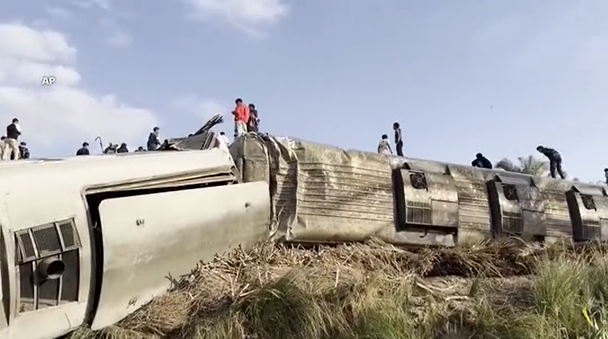

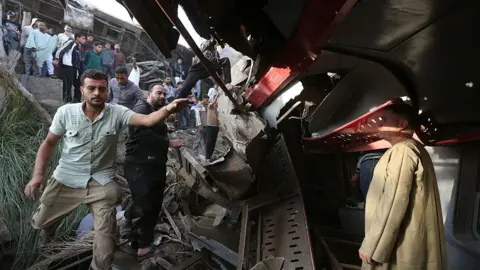
At least four people have lost their lives and close to 90 others have been hospitalised after two passenger trains collided near the Egyptian capital Cairo, in yet another deadly accident on one of Africa's oldest railway networks. The crash, which happened between Kafr Ammar and Al-Raqqa stations in the Giza region, occurred when one train ran into the rear of another, causing several carriages to derail and creating significant disruption along the rail corridor.
What happened at the scene
Egypt's National Railways Authority confirmed the incident in an official statement, saying that dozens of ambulances were quickly deployed to ferry the injured to nearby hospitals. Cranes and heavy recovery equipment were brought in to clear the wreckage from the tracks, which had brought rail traffic on that busy line to a halt. Egypt's health ministry provided the casualty figures, though officials warned that the number of injured could rise as rescue operations continued in the immediate aftermath of the crash.
The collision took place on a stretch of line running through Giza, one of Egypt's most densely populated and historically significant regions, situated just outside Cairo. The proximity to the capital meant emergency services were able to respond relatively quickly, though the scale of the derailment made recovery efforts complicated and time-consuming.
A troubling history of railway accidents
This latest disaster is far from an isolated event on the Egyptian rail network. The system, which holds the distinction of being the oldest railway in both Africa and the Middle East — having first opened in the mid-nineteenth century — has been plagued by safety concerns and deadly accidents for decades. Infrastructure investment has historically lagged behind the demands placed on the network by a rapidly growing population.
Among the most tragic incidents in recent memory was a fire that broke out when a train lost control approaching the major Ramses station in Cairo, killing 25 people. In 2017, a separate disaster on the route to Alexandria saw a derailed train collide head-on with another, claiming more than 40 lives. Each incident has prompted fresh calls from Egyptian civil society and transport experts for urgent modernisation of the network and stronger enforcement of safety protocols — calls that have yet to result in the sustained reforms many believe are necessary.
Why it matters for Ghana and Africa
Rail safety on the African continent is a subject of growing concern beyond Egypt's borders, and this latest tragedy carries important lessons for Ghana and other African nations investing in or rehabilitating their own railway infrastructure. Ghana has in recent years renewed interest in expanding and upgrading its own rail network, with projects aimed at linking key cities and easing pressure on road transport.
Egypt's experience underscores the dangers of operating ageing rail infrastructure without consistent investment in maintenance, modern signalling systems, and rigorous staff training. For Ghanaian policymakers and transport authorities, the Cairo collision serves as a sobering reminder that building new lines or restoring old ones must go hand in hand with robust safety frameworks.
- African nations with colonial-era rail networks face shared challenges around funding, maintenance backlogs, and modernisation.
- Ghana's own rail ambitions — including links between Accra, Kumasi and the northern regions — make Egypt's cautionary tale directly relevant.
- International transport bodies have long flagged that underinvestment in African rail safety costs lives across the continent each year.
As Egypt mourns another rail tragedy, pressure is mounting on authorities in Cairo to move beyond condolences and implement the deep structural reforms that safety experts have been demanding for years.
Source: MyJoyOnline



Comments (0)
Be the first to comment.