
From imported vehicles to African hub: Ghana's roadmap for automotive manufacturing and transport revolution


Ghana's automotive and transport sectors represent a largely untapped opportunity for industrial growth and job creation, but realising this potential demands a fundamental shift from import dependence towards locally engineered solutions and evidence-based planning. A comprehensive strategy spanning manufacturing, institutional capacity, vehicle safety standards and road infrastructure could position Ghana as a competitive automotive hub for Africa whilst addressing urgent public safety concerns.
The case for action is compelling. Ghana recorded 2,949 road deaths in 2025, with fatalities increasing by 18.2% compared with the previous year—a sobering indicator that current approaches are insufficient. Simultaneously, the country continues to rely heavily on imported vehicles rather than developing indigenous manufacturing capabilities that could create thousands of jobs and retain industrial value domestically.
Building Local Manufacturing Capability
Ghana must move beyond simple vehicle assembly towards genuine design, component manufacturing and production. This requires connecting universities, technical institutions and local engineering talent with established international manufacturers to develop vehicles specifically suited to Ghanaian conditions—from affordable utility vehicles to agricultural and commercial transport solutions tailored to regional needs.
International partnerships should deliver manufacturing technology, quality assurance processes and skills transfer, whilst government incentives reward local content and employment creation. Success in this area could unlock export opportunities across Africa through the African Continental Free Trade Area (AfCFTA), transforming Ghana from a market for imported vehicles into a manufacturing centre serving the broader continent.
Strengthening Standards and Institutional Capacity
Weak enforcement of vehicle import and safety standards remains a persistent challenge. Institutions such as the Ghana Automotive Development Centre must receive adequate funding and skilled personnel to develop and enforce internationally aligned policies consistently. Vehicles failing to meet safety requirements should be rejected through lawful procedures, prioritising consumer protection and roadworthiness over commercial convenience.
The spare-parts market requires particular attention. Ghana needs stronger verification and traceability systems for safety-critical components including brakes, steering and suspension. Data from the DVLA could guide imports towards parts actually needed by the active vehicle fleet, reducing unsuitable stock whilst protecting consumers from counterfeit or defective components. Supporting dealers to build relationships with legitimate original equipment manufacturers and aftermarket suppliers would improve both availability and quality.
Why it matters for Ghana: Data-driven planning and safer roads
Effective congestion management requires understanding passenger movements across the country. Ghana currently lacks reliable data on travel origins, destinations, passenger numbers and traffic volumes. Analysing commuter patterns—such as travel between Kasoa and central Accra—could determine appropriate public transport capacity and service frequency, reducing both congestion and unnecessary oversupply.
Traffic surveys, GPS fleet data and responsibly managed digital information systems can guide infrastructure planning. Ghanaian technology companies should develop useful commuter applications whilst engineering studies inform dedicated bus lanes, improved interchanges, coordinated traffic signals and better pedestrian facilities. This represents a departure from ad-hoc interventions towards systematic, evidence-based mobility management.
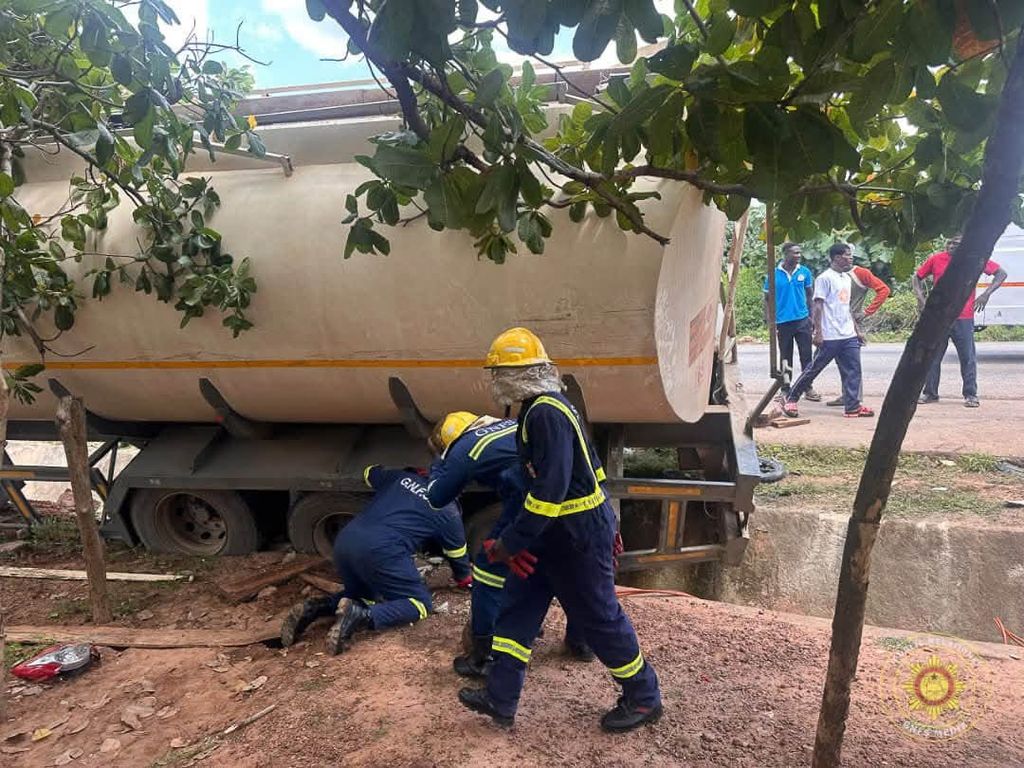
Road safety must become an engineering priority. High-risk locations should be identified using crash data, with interventions prioritised based on measurable safety benefits. Safer road design, effective enforcement, vehicle inspections, preventive maintenance, proper drainage, visible markings and reliable emergency response all contribute to reducing the current unacceptable toll of road deaths. Whilst major infrastructure programmes matter, sustained attention to urban roads, traffic management and integrated public transport is equally essential.
Realising Ghana's automotive and transport potential requires coordinated national action integrating manufacturing development, engineering education, institutional reform, standards enforcement, transport data systems and safer infrastructure. These are interconnected challenges demanding practical, measurable solutions. Ghana's ambition should extend beyond merely importing vehicles or temporarily easing congestion—it must be to build genuine Ghanaian engineering capability, create local industrial value, save lives on roads, and establish Ghana as a competitive automotive hub serving Africa.
Source: MyJoyOnline




Comments (0)
Be the first to comment.