
Weija-Gbawe MP pushes for Metro Mass buses amid transport cost crisis
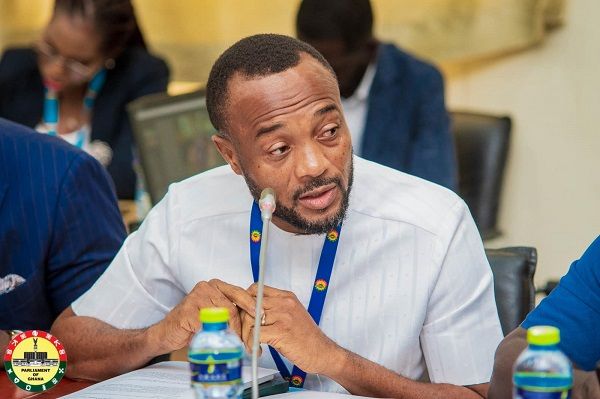

The Member of Parliament for Weija-Gbawe, Jerry Ahmed Shaib, has intensified calls on the Ministry of Transport to deploy Metro Mass Transit buses to his constituency as residents grapple with transport costs that have tripled in recent times. Speaking on Channel One Newsroom on Sunday, October 26, Mr Shaib highlighted how commuters in the area now pay between GH¢60 and GH¢70 for journeys that previously cost GH¢15 to GH¢20, attributing the sharp increase to inadequate public transport infrastructure.
The legislator appealed directly to the Transport Minister to allocate at least four to six Metro Mass Transit buses to serve Weija, Gbawe, Tetegu and surrounding communities. He argued that public transport is essential for relieving pressure on residents who currently must chain multiple vehicle trips to reach their destinations, compounding both costs and travel time.
Balancing congestion relief with safety concerns
While welcoming the government's recent introduction of contraflow on the Kasoa-Accra road as a congestion-easing measure, Mr Shaib emphasised that road safety must remain paramount. He expressed concern that poorly managed contraflow systems could inadvertently increase accident risks rather than solve transport bottlenecks. "My expectation is that we should do it in a manner that would not end up actually causing accidents," he said, signalling support for the initiative only if implemented with rigorous safety protocols and enforcement.
Contraflow arrangements allow vehicles to use lanes in the opposite direction during peak hours, a common tactic in congested urban corridors. However, without adequate signage, traffic management, and driver discipline, such systems have been linked to head-on collisions and chaos at transition points. The MP's caution reflects legitimate concerns raised by road safety advocates in Ghana.
Why it matters for Ghana
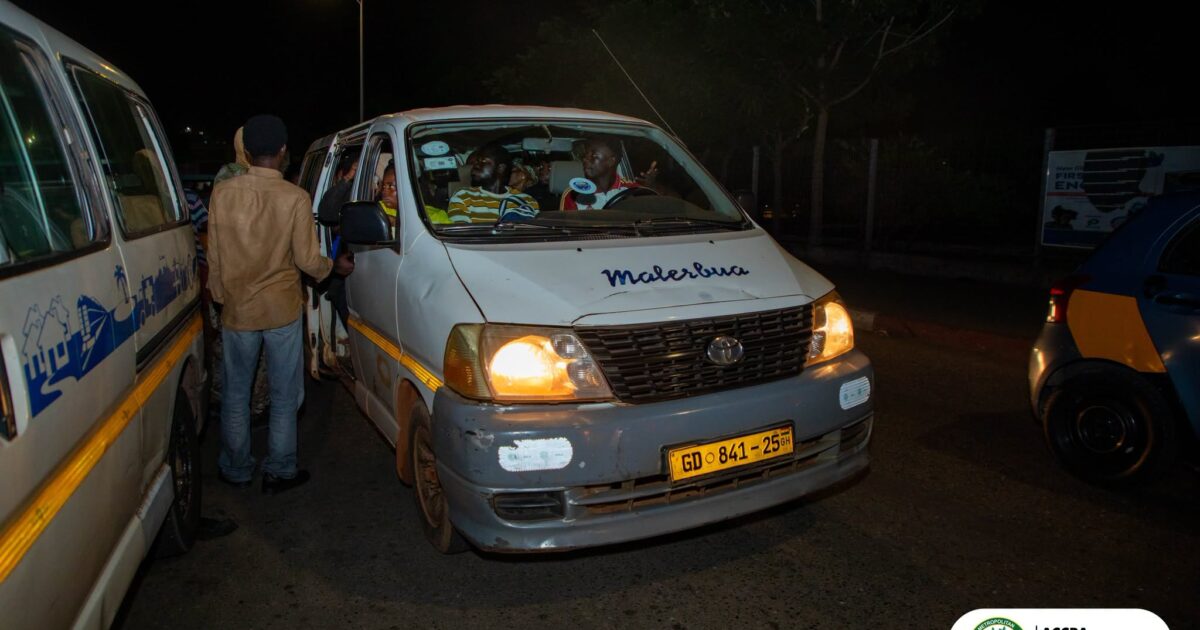
Transport challenges in Weija-Gbawe are not isolated to the constituency but reflect a broader national issue. Greater Accra Region, particularly areas on the periphery of the capital, faces chronic public transport deficits as rapid urbanisation outpaces government bus deployment. The Metro Mass Transit system, designed to provide affordable, regulated transport, remains underutilised in many expanding residential areas, forcing residents to rely on expensive private mini-buses and shared taxis.
The spiralling transport costs Mr Shaib highlighted directly affect household budgets and the competitiveness of workers and traders who commute daily. High fares discourage economic activity, reduce school attendance among poorer families, and increase pressure on informal transport operators who often cut corners on vehicle maintenance and driver safety to remain profitable. Expanding Metro Mass services would address multiple challenges simultaneously: reducing costs, improving road safety through regulated vehicles, and freeing up private bus operators to service other routes.
For the government, strategic deployment of Metro Mass buses in under-served areas like Weija-Gbawe represents an investment in urban mobility and social welfare. It also signals responsiveness to constituency-level needs, a key expectation MPs communicate to their communities. However, such expansion requires budget allocation and operational planning at the ministerial level, which has historically struggled with funding constraints and fleet maintenance.
The Kasoa-Accra contraflow initiative, if successful, may serve as a proof-of-concept for managing congestion on key routes, but it is a short-term tactical measure. Sustainable solutions require long-term infrastructure—including more public buses, improved road networks, and parking facilities—alongside traffic enforcement and driver education.
Source: MyJoyOnline

Comments (0)
Be the first to comment.