Ho Central Mosque Reopens After Months of Closure, But Leadership Crisis Remains Unresolved
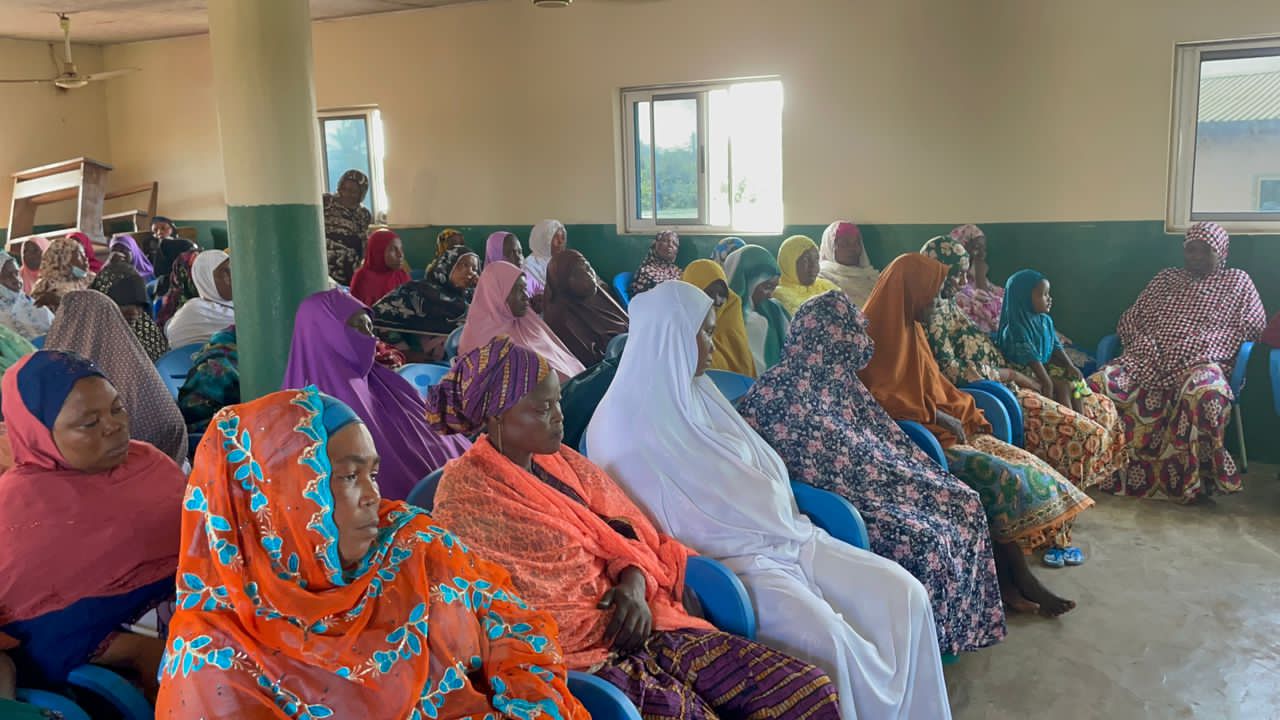
The Ho Central Mosque in the Volta Region has reopened its doors to worshippers following months of closure triggered by a shooting incident during leadership disputes within the Muslim community. The National Chief Imam formally reopened the mosque on Saturday, October 10, 2026, allowing Muslims in Ho Zongo to resume regular worship after an extended period of enforced shutdown.
The reopening comes after a violent confrontation left 13 people injured during clashes centred on competition for the regional Islamic leadership position. The incident, which included a shooting, prompted authorities to close the mosque indefinitely, citing safety concerns and the need to de-escalate tensions within the community.
Celebration tempered by calls for justice
While residents of Ho Zongo welcomed the restoration of access to their primary place of worship, community leaders have made clear that the reopening alone does not resolve the underlying tensions. Mohammed Salisu Kidzah, a youth leader in Ho Zongo, told Citi News that although the community celebrated the mosque's reopening, there remains significant unfinished business regarding accountability for the violence.
Kidzah emphasised that worshippers and residents are demanding justice for those injured in the shooting and want perpetrators held accountable under the law. He highlighted that the mosque had experienced violent incidents before and warned that leaving these matters unaddressed poses a real risk to community peace and stability. The youth leader stressed the importance of ensuring that such incidents do not recur, noting that the National Chief Imam himself called for peace during his visit to oversee the reopening.
Why this matters for Ghana
Religious spaces and institutions hold deep cultural and social significance across Ghana, and violence within religious communities undermines both faith and public safety. The Ho Central Mosque incident reflects broader challenges that some communities face regarding institutional leadership disputes and conflict resolution mechanisms.
The case raises important questions about how religious organisations can manage succession and leadership transitions peacefully, and what role government and traditional authorities should play in mediating such disputes. For Ghana's Muslim community and the wider Volta Region, the reopening is a positive step, but incomplete resolution of the underlying conflict risks setting a precedent that violence can trigger institutional closures without proportional consequences for perpetrators.
Community trust in religious spaces depends on safety and the assurance that disputes will be resolved through dialogue rather than force. The National Chief Imam's involvement signals institutional support for peace, but sustained efforts will be needed to address the grievances that sparked the initial conflict and to prevent further violence.
Kidzah's demands for accountability reflect a community-level expectation that law enforcement and judicial processes will follow through on investigations, demonstrating that violence in religious settings carries serious consequences. Without this, the risk of recurrence remains high.
Source: MyJoyOnline



Comments (0)
Be the first to comment.