
Galamsey and Flooding Expose Deep Cracks in Ghana's Governance, Says Business Leader
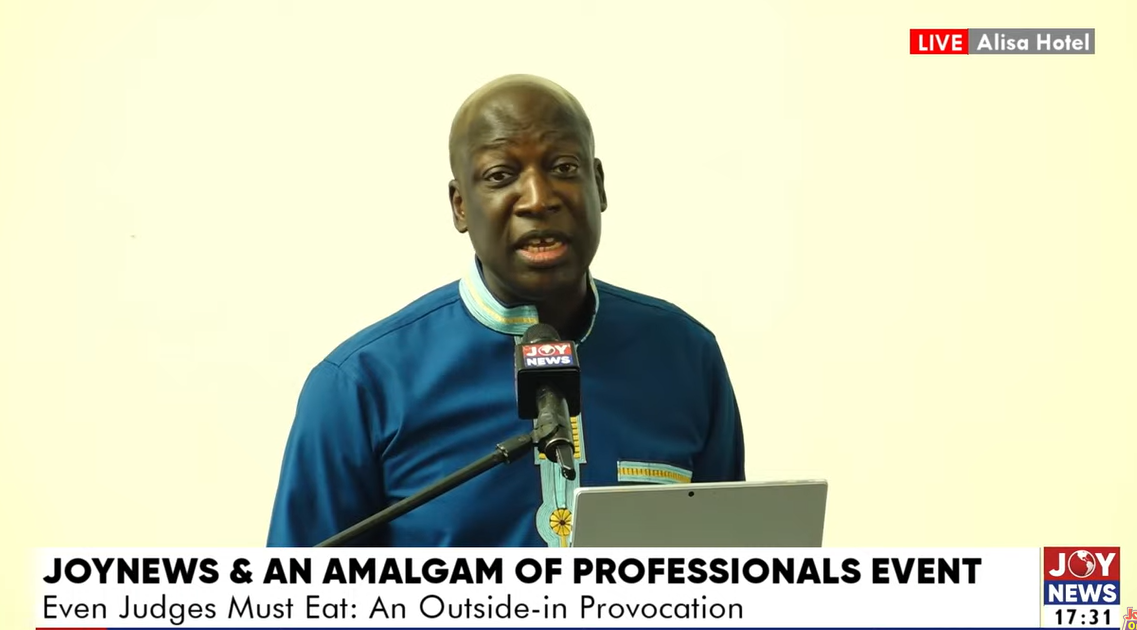

Ghana's repeated struggle with illegal mining and seasonal flooding points to fundamental weaknesses in governance rather than isolated policy lapses, according to Yaw Nsarkoh, the former Executive Vice President of Unilever Ghana and Nigeria.
Speaking at a JoyNews and An Amalgam of Professionals event on Tuesday, October 20, Nsarkoh painted a bleak picture of a state unable to act decisively on issues that generate public outcry and political promises yet remain unresolved year after year. His critique cuts to the heart of how Ghana's government responds—or fails to respond—to crises that directly threaten the health and safety of millions of citizens.
The Pattern of Crisis and Inaction
Nsarkoh highlighted a familiar cycle that plays out with depressing regularity. During the rainy season, communities flood, videos dominate social media, public anger peaks, and politicians rush to express concern. Yet once the rains cease and water recedes, so does political attention. "Then comes August, the rains stop, citizens move on to other subjects," he noted, describing how the same problems return with the next rainy season, only for the cycle to repeat.
This pattern extends beyond flooding. The pollution of water bodies through galamsey—illegal small-scale mining—continues unabated despite widespread recognition of the damage. Nsarkoh described this as "an existential threat," warning that the wanton destruction of Ghana's water resources endangers not just present but future generations. Yet successive administrations have failed to halt the practice, suggesting either lack of political will or capacity to enforce existing laws consistently.
Land Administration and Urban Planning Failures
Nsarkoh also identified poor land administration in Accra as a compounding factor. Buildings erected on unsuitable sites, developments that obstruct natural waterways, and haphazard demolitions all contribute to the flooding problem. These issues reflect not random mismanagement but systemic failures in urban planning and enforcement that allow short-term interests to override public safety.
The influence of political vigilantism emerged as another concern, with Nsarkoh arguing that politically connected actors frequently enjoy impunity when they violate regulations. This selective enforcement undermines the state's ability to apply rules fairly and consistently—a cornerstone of effective governance.
Why It Matters for Ghana
Nsarkoh's critique reflects a broader anxiety among Ghana's professional and business class about whether the country's governance structures can deliver solutions to existential problems. Galamsey and flooding are not abstract policy debates; they directly affect millions of Ghanaians' access to clean water, safety during rainy seasons, and long-term environmental security.
The core problem, as Nsarkoh identifies it, is reactive rather than proactive governance. Ghana's political system, he argues, waits for crises to occur, then responds with temporary measures and partisan scoring, rather than addressing root causes before they explode into emergencies. This approach is costly—economically, environmentally, and socially.
For citizens already struggling with the costs of living and infrastructure gaps, the inability of successive governments to tackle problems everyone acknowledges breeds cynicism about the state's capacity and commitment. When political leaders express concern about flooding or galamsey only to repeat the cycle months later, public trust erodes further.
Nsarkoh called for a fundamental shift towards governance that prioritises long-term citizen wellbeing over partisan interests and temporary reactions. Without such a change, Ghana risks normalising crises that should be preventable.
Source: MyJoyOnline



Comments (0)
Be the first to comment.