COPEC pushes cedi payments for domestic crude oil to ease forex pressure
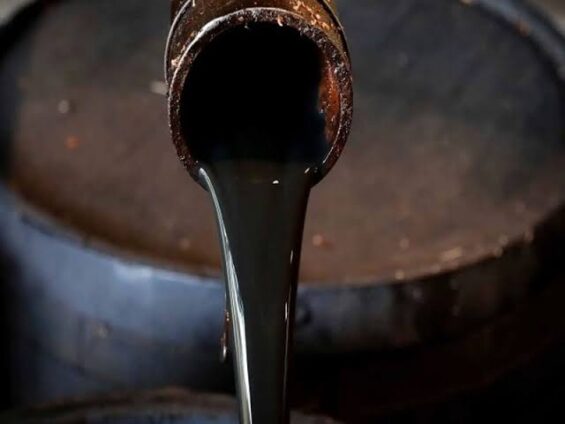
The Chamber of Petroleum Consumers (COPEC) is calling for a significant shift in how Ghana's domestic refineries conduct business with local crude oil suppliers, advocating that all transactions be settled in cedis rather than US dollars. The push comes as the country attempts to strengthen its refining sector whilst managing mounting pressure on the cedi and dwindling foreign exchange reserves.
Under a new arrangement with upstream producer Tullow Oil, local refineries including Sentuo Oil Refinery have begun receiving crude oil supplies aimed at boosting Ghana's domestic refining capacity. However, COPEC's Executive Secretary Duncan Amoah has flagged a critical challenge: if refineries must pay for crude in dollars whilst selling finished products in cedis, they will intensify competition for limited foreign exchange, further straining the economy.
The forex dilemma facing refineries
The economics of the current arrangement present a fundamental mismatch. Refineries purchase crude internationally priced in dollars but sell petrol, diesel and other products exclusively on the Ghanaian market in cedis. This creates a forex squeeze that threatens the viability of domestic refining operations.
Amoah warned that forcing refineries to compete with other import-dependent businesses for scarce dollars would worsen currency depreciation. "Whatever they refine and sell, they sell to the Ghanaian market in cedi," he explained, arguing that demanding dollar payments would push refineries to drain forex reserves needed elsewhere, crowding out other critical imports and accelerating cedi weakness.
The proposal gains weight given Ghana's ongoing forex challenges. The country has faced repeated pressure on its currency due to import demand exceeding export revenues. Reducing direct dollar demand from refineries could ease this burden and free up forex for other essential imports.
Commercial viability and stakeholder interests
Amoah emphasised that any payment arrangement must balance the interests of multiple parties: crude suppliers like Tullow Oil, the Ghanaian state seeking tax and royalty revenues, and refineries needing workable commercial terms. He noted approvingly that the arrangement operates on commercial rather than subsidised terms, protecting all stakeholders from losses.
According to reports, President Akufo-Addo has already instructed the Energy and Finance Ministers to explore flexible payment terms allowing cedis-based crude purchases. The success of such arrangements will depend on the specific terms negotiated with Tullow Oil and whether crude suppliers accept cedi payments, possibly through swap arrangements or other mechanisms that protect their own forex requirements.
Why it matters for Ghana
Domestic refining is central to Ghana's economic resilience. The country produces significant crude oil but imports refined products, making it vulnerable to global oil price swings and forex volatility. By refining domestically and settling in cedis, Ghana reduces both dependency on international fuel markets and pressure on its currency.
However, the plan faces complexities. International crude producers typically require dollar revenues to meet their operational costs and shareholder obligations. The government will need to structure creative solutions—perhaps involving central bank currency support, hedging arrangements, or direct state involvement—to make cedi payments economically viable for suppliers.
The broader policy goal is sound: build Ghana's refining capacity, stabilise forex demand, and reduce import bills. But implementation will require careful negotiation with all parties to ensure the arrangement benefits refiners, crude producers, and the national economy without creating unintended distortions.
Source: The Ghana Report




Comments (0)
Be the first to comment.