
Chief Justice defends judges sitting during legal vacation amid growing controversy

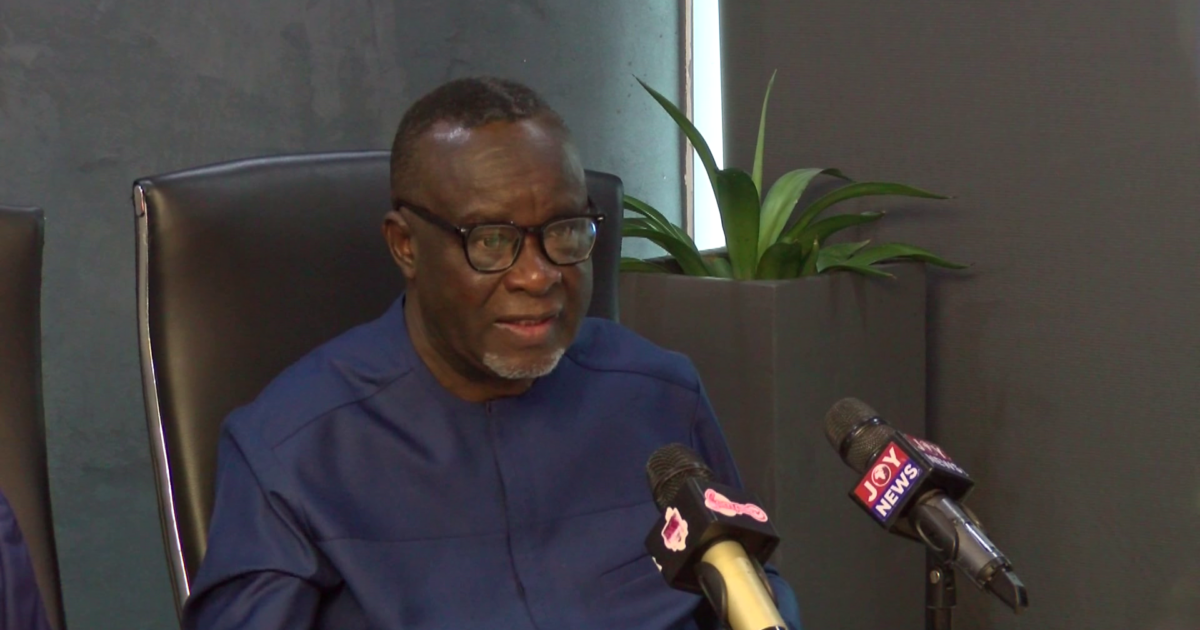
Ghana's Chief Justice Paul Baffoe-Bonnie has waded into an escalating dispute over judicial work during the annual legal vacation, defending judges who continue to sit and hear cases when the courts are supposed to be on break.
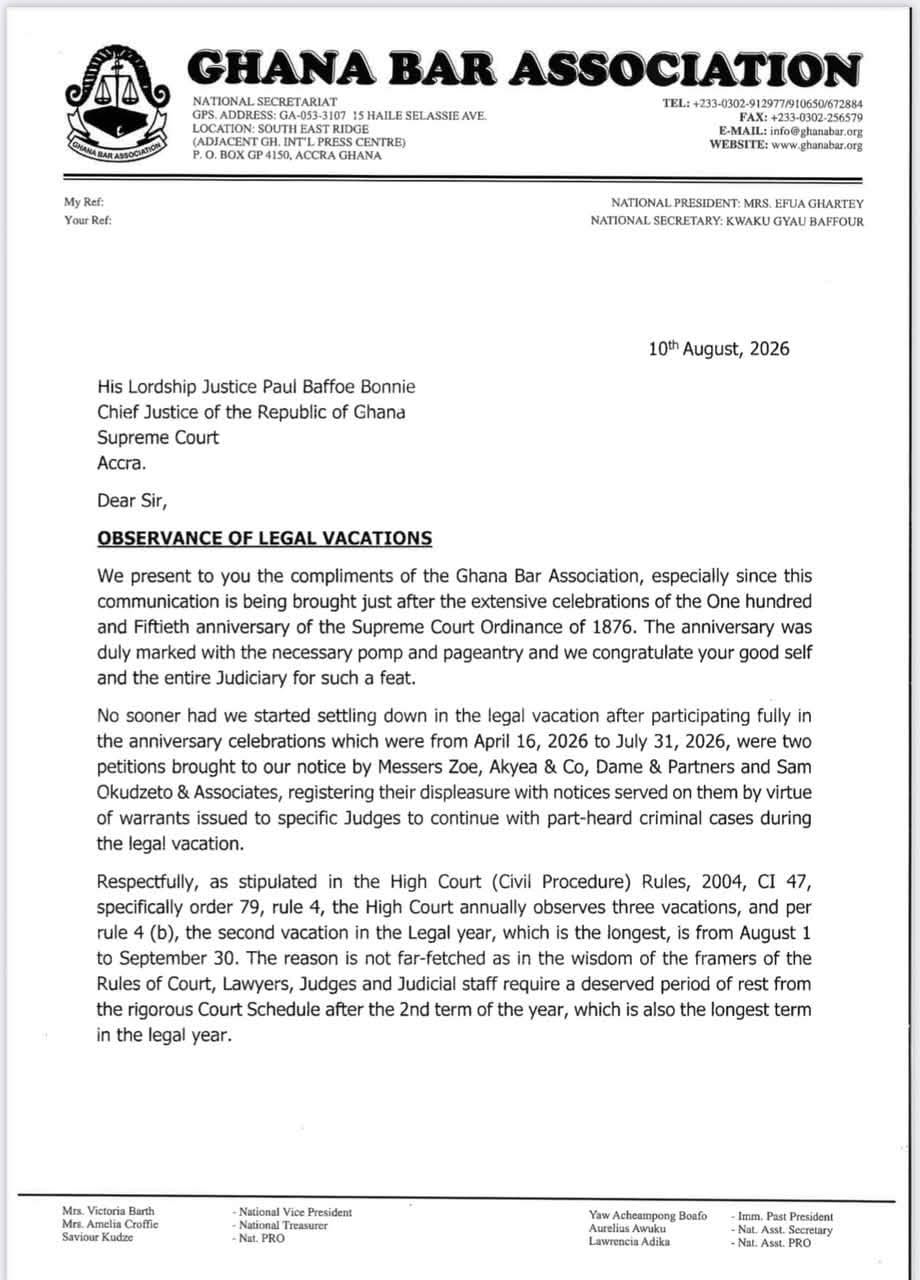
The Chief Justice's clarification comes as the legal profession remains divided on whether judges should maintain court sittings during the legal vacation period, with the matter now before the Supreme Court following a challenge by Ofoase-Ayirebi Member of Parliament Kojo Oppong Nkrumah.
The legal vacation debate
The controversy centres on whether judges should hear cases during Ghana's designated legal vacation—a period traditionally set aside as court recess. Oppong Nkrumah has challenged this practice in court, arguing it may breach established rules. His initial case was dismissed, but he has since filed an application seeking a review of the Supreme Court's decision, keeping the issue firmly in the public eye.
Justice Baffoe-Bonnie has now made clear that the legal vacation does not and cannot mean a complete shutdown of judicial operations. "Cases don't go on leave, and emergency cases have to be heard," he stated, emphasising that urgent matters require immediate judicial attention regardless of when they arise on the calendar.
Why it matters for Ghana
Access to justice is a fundamental right enshrined in Ghana's Constitution, and the Chief Justice's position reflects the judiciary's responsibility to ensure that critical cases are not indefinitely delayed by procedural calendar breaks. Cases involving bail applications, restraining orders, urgent injunctions, and matters affecting public safety cannot reasonably wait until the legal vacation ends.
For ordinary Ghanaians and businesses with time-sensitive legal matters, a complete court shutdown during the legal vacation could mean costly delays in justice. Suspected criminals awaiting bail hearings, families seeking urgent custody orders, or companies facing financial crises through contested transactions would all face extended periods without judicial recourse if courts fully closed during this period.
The dispute also reflects broader questions about the balance between judicial efficiency and proper rest periods for court staff. While the legal vacation serves important administrative and human resource functions, it cannot come at the expense of access to justice during genuine emergencies.
The judicial service position
Justice Baffoe-Bonnie stressed that provisions already exist within the Judicial Service rules to permit judges to handle urgent cases during the legal vacation, meaning the practice is not a breach of established guidelines. He argued that the controversy should not have arisen given these explicit allowances, and assured Ghanaians that the judiciary remains committed to ensuring justice is accessible throughout the year, including during the break period.
The Chief Justice's remarks suggest the judiciary views the legal vacation as a partial recess rather than a complete suspension of functions. Emergency and urgent cases—those requiring immediate judicial attention to prevent irreparable harm or uphold constitutional rights—are heard by judges on duty during this period, whilst routine matters are generally scheduled for the court's full resumption.
As the Supreme Court case continues, the Chief Justice's public defence of the current practice signals that Ghana's apex court is likely to uphold the principle that judicial administration must remain responsive to urgent matters, even during scheduled vacation periods.
Source: MyJoyOnline



Comments (0)
Be the first to comment.