Justice must reach all Ghanaians equally, Court of Appeal judge insists

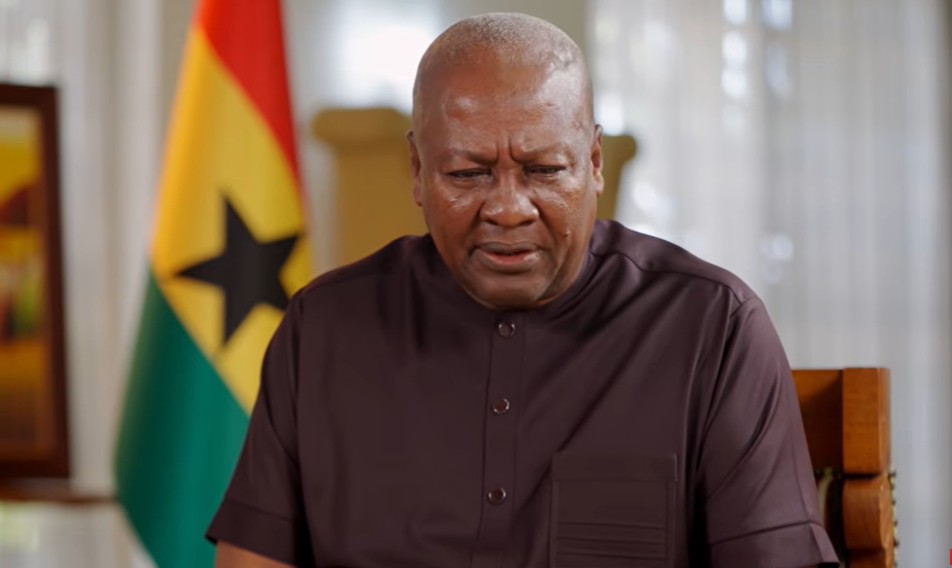
Justice should not be a luxury determined by where a person lives. This was the firm message from Justice Dr Ernest Owusu-Dapaa of Ghana's Court of Appeal, who stressed that every citizen—whether in a sprawling city or a remote village—deserves the same quality of judicial service without geographical barriers.
Speaking during a televised discussion on The Law with Sampson Lardy Anyenini on 12th July, Justice Owusu-Dapaa highlighted a critical challenge facing Ghana's justice system: the uneven distribution of resources and infrastructure across the country. He used vivid examples to illustrate his point, noting that a person in Tumu should receive the same calibre of justice as someone in Accra or Takoradi, irrespective of whether their local court has modern technology or relies on traditional methods.
Technology as the bridge to equity
The judge identified digitalisation as a primary solution to closing the justice access gap. According to Justice Owusu-Dapaa, Ghana's Judicial Service has made meaningful progress in deploying e-justice infrastructure and digital tools across courts nationwide. These technological investments have reportedly enhanced both the accessibility and efficiency of court proceedings, allowing more citizens to engage with the justice system regardless of their location.
His comments came during celebrations marking the 150th anniversary of Ghana's Supreme Court, a milestone that provided an opportunity to reflect on how far the judiciary has come and where it must go. The judge commended the Judicial Service for embracing technological integration as evidence of the institution's commitment to modernisation and equitable service delivery.
Why it matters for Ghana
Access to justice remains a fundamental right enshrined in Ghana's constitution, yet implementation has been uneven. Citizens in rural and remote areas often face practical obstacles: travel costs to reach courts, limited legal representation, longer case processing times, and inadequate facilities. These barriers disproportionately affect lower-income Ghanaians who cannot afford to navigate a fragmented system.
The digitisation push described by Justice Owusu-Dapaa addresses these challenges directly. E-justice systems can enable remote case filing, virtual hearings, and faster document processing, potentially reducing the need for physical court appearances and cutting both time and money for litigants. For Ghana, where rural populations remain significant, closing this justice gap is essential to strengthening the rule of law and public confidence in courts.
However, successful rollout depends on more than technology alone. Adequate funding, staff training, reliable internet infrastructure, and sustained political commitment will all be critical. The Judicial Service's stated goal—to deploy digital infrastructure to all courts in Ghana—is ambitious and necessary, but execution will determine whether this vision becomes reality.
Justice Owusu-Dapaa's intervention on a national platform underscores that senior judges recognise the problem and are pushing for solutions. As Ghana continues to develop, ensuring that justice is neither geographically rationed nor class-dependent remains one of the judiciary's most important responsibilities.
Source: MyJoyOnline


Comments (0)
Be the first to comment.