Ghana's Tribunal Courts Return: Opposition Warns of Political Weaponisation Risk

The reintroduction of tribunal courts in Ghana's judicial system has ignited fresh political tensions, with the Parliamentary Minority warning that the move could transform the courts into instruments of partisan persecution rather than justice delivery.
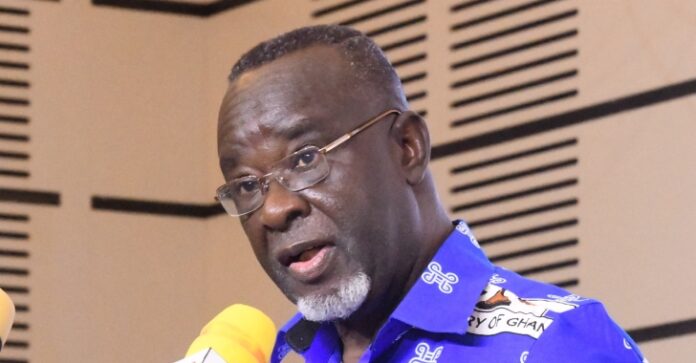
Speaking on behalf of the opposition bloc, Mike Oquaye Jnr raised alarm over what he described as potential dangers lurking in the tribunal framework. The core concern centres on whether these specialised courts might become mechanisms for the ruling party to appoint loyalists to positions of power, subsequently weaponising them against political opponents and critics.
The Core Opposition Argument
The Minority's resistance to tribunal courts reflects deeper anxieties about institutional independence in Ghana's democratic system. Their primary fear is that tribunal judges and officials, once appointed along party lines, could selectively prosecute political enemies whilst offering protection to government allies. This concern is not unprecedented in Ghana's political history, where questions about judicial impartiality have occasionally surfaced during periods of partisan tension.
Rather than serving their intended purpose of efficiently resolving specialised cases—such as those involving taxation, employment disputes, or administrative matters—the opposition argues tribunals could devolve into patronage networks. Such a development would undermine public confidence in the judiciary and weaken the principle of rule of law that underpins democratic governance.
Why It Matters for Ghana
Ghana's democratic credentials rest significantly on institutional safeguards and the independence of its judiciary. Any perception or reality that courts can be manipulated for political purposes strikes at the heart of constitutional democracy. For ordinary Ghanaians, compromised courts mean uncertain justice: those with political connections receive favourable treatment whilst ordinary citizens face unpredictable outcomes.
The tribunal debate also highlights ongoing tensions between Parliament's majority and minority factions. These disputes over institutional design often reflect broader disagreements about governance philosophy and trust between political parties. When opposition groups feel excluded from decisions affecting judicial architecture, it can deepen polarisation and reduce bipartisan cooperation on matters of national importance.
Furthermore, Ghanaian citizens increasingly expect transparency and accountability from all state institutions. Public anxiety about tribunal courts—particularly regarding appointment procedures and operational independence—could fuel scepticism about the entire judicial system if not properly addressed through robust safeguards.
The Path Forward
For the tribunal system to function credibly, Ghana would benefit from several protective measures:
- Transparent appointments: Tribunal judges and officials should be selected through merit-based processes with cross-party oversight, not party political patronage
- Clear jurisdictional boundaries: Tribunals should handle only technical, non-political matters to limit opportunities for abuse
- Independence guarantees: Legal protections ensuring tribunal judges cannot be arbitrarily removed based on their verdicts
- Public scrutiny: Open proceedings and accessible reporting of tribunal decisions to maintain accountability
The reintroduction of tribunals presents both opportunity and risk for Ghana's justice system. If designed and implemented with genuine commitment to impartiality, they could provide efficient dispute resolution. However, without stringent safeguards against political manipulation, they risk becoming exactly what the Minority fears: vehicles for oppression rather than justice.
As Parliament deliberates this issue, stakeholders—including civil society, the judiciary itself, and the general public—should demand assurances that any tribunal framework prioritises institutional independence over political convenience. Ghana's democratic trajectory depends on institutions that serve citizens, not parties.
Source: 3News


Comments (0)
Be the first to comment.