World Cup visa scandal reveals deeper governance crisis, not just ministerial accountability—Senyo Hosi warns
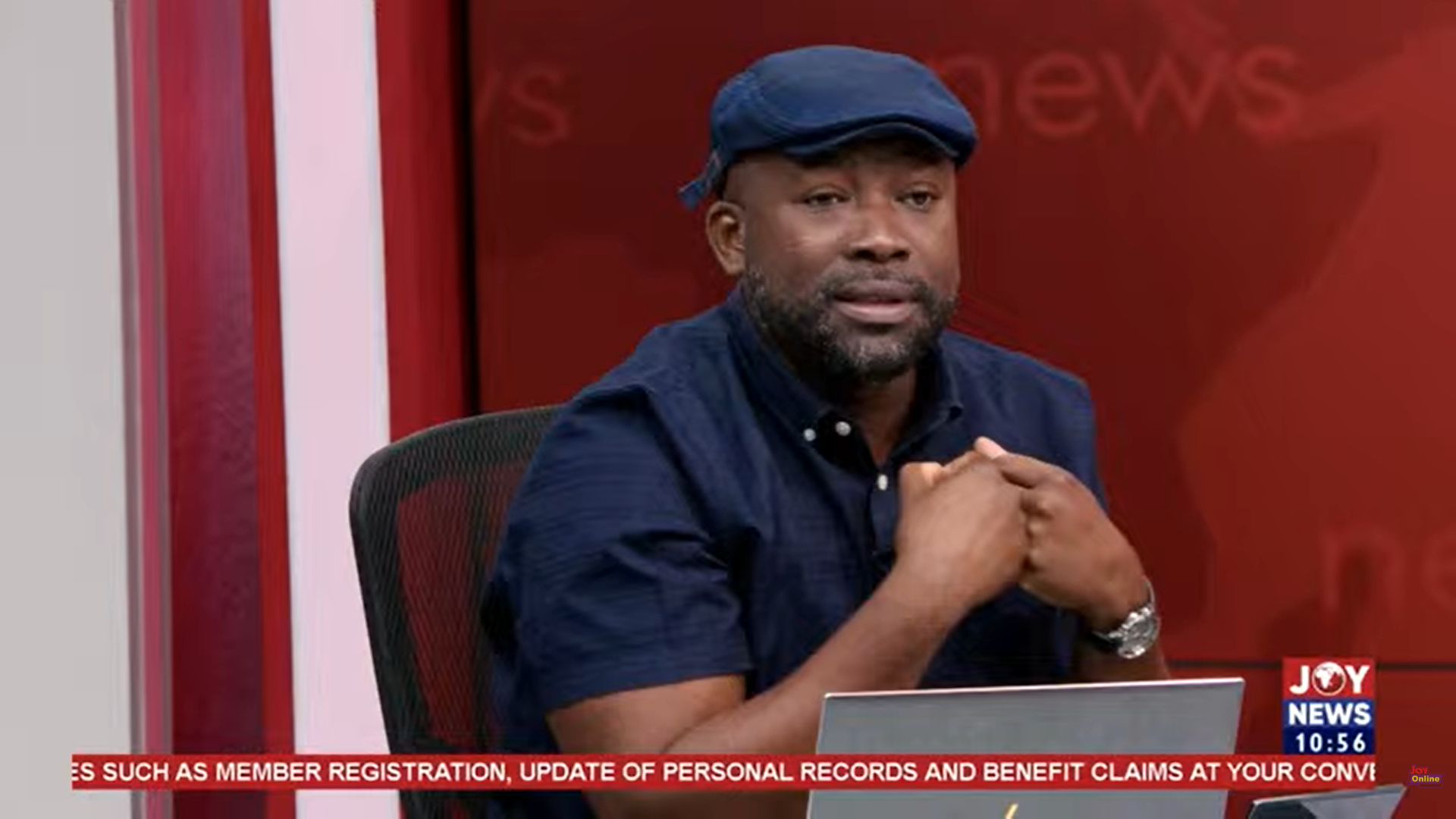
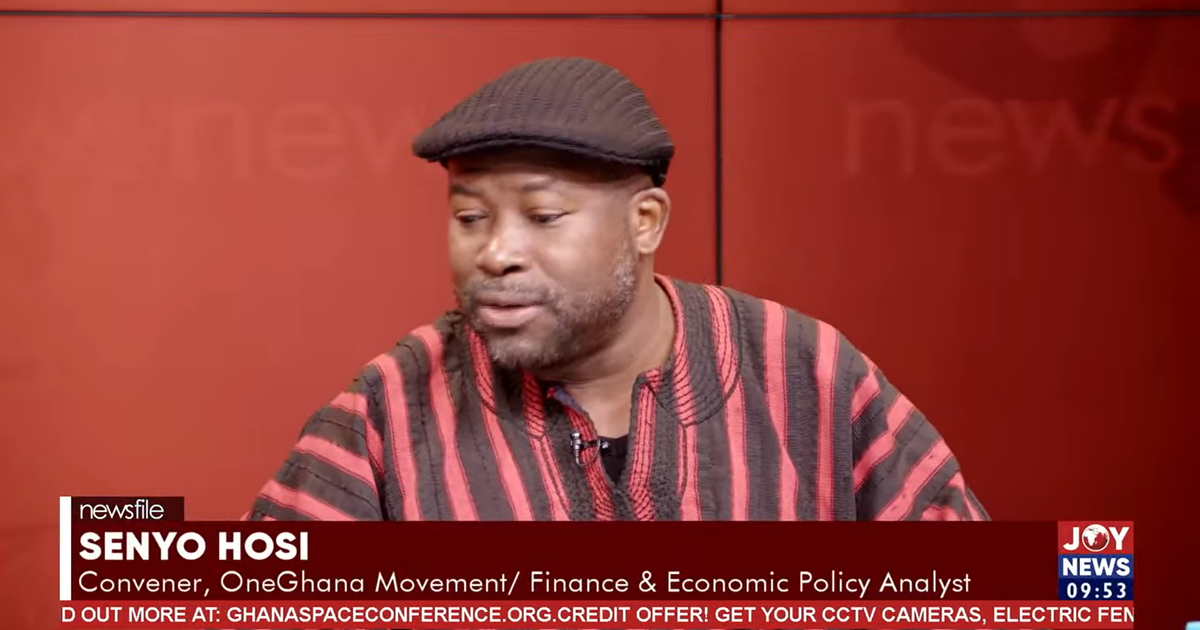
Ghana's mounting World Cup visa controversy has escalated beyond questions of ministerial accountability to encompass fundamental issues of constitutional compliance and public trust, according to Senyo Hosi, Convener of the OneGhana Movement and Trustee of the Ghana Coalition Against Galamsey.
The row centres on allegations that individuals paid between US$7,000 and US$14,000 for visa processing related to 2026 FIFA World Cup activities—a claim that has triggered parliamentary scrutiny and forced the stepping down of the National Sports Authority Director-General. However, Hosi argues the real issue transcends whether individual officials should resign, demanding instead that Ghana confront systemic failures in governance and public administration.
What the scandal reveals
Parliament's Minority has uncovered troubling discrepancies in personnel verification submitted by state bodies to American and Canadian embassies. According to the Ranking Member on Parliament's Youth and Sports Committee Vincent Ekow Assafuah, only 2 of 50 names submitted by the Ghana Tourism Authority as media personnel were verified as legitimate journalists, whilst just 15 of 102 names from the National Sports Authority were confirmed as actual employees.
These findings suggest systematic misrepresentation, not merely administrative oversight. The Ministry of Sports has responded by providing correspondence dated January 28, 2026, arguing that some World Cup fan experience arrangements predated its direct involvement—a defence that raises further questions about coordination and oversight across government agencies.
President John Dramani Mahama ordered former NSA Director-General Yaw Ampofo Ankrah to step aside, with Professor Emmanuel Osei Sarpong appointed as acting Director-General. Yet Hosi contends that personnel changes alone cannot address the structural problems exposed by this crisis.
Why it matters for Ghana
Hosi's intervention highlights a pattern that undermines public confidence: successive governments condemning corruption whilst in opposition, only to face comparable allegations once in power. This cyclical pattern erodes citizen trust and suggests that accountability frameworks remain weak regardless of which party holds office.
The World Cup visa controversy carries reputational stakes. As Ghana prepares to welcome global attention during the 2026 tournament, revelations of fraudulent visa facilitation and manipulated personnel lists risk damaging the nation's standing internationally and domestically. Moreover, Hosi argues, how Ghana handles this moment teaches young people whether constitutional principles and rule of law are genuine commitments or merely rhetorical conveniences.
Citing Article 232 of the 1992 Constitution, which established the Commission on Human Rights and Administrative Justice (CHRAJ), Hosi emphasised that public administration must be grounded in probity, fairness, reasonableness and adherence to legal obligations. The visa scandal represents a departure from these constitutional anchors.
The path forward
Hosi has urged Parliament's Minority to exercise its oversight responsibilities fairly and rigorously, whilst calling on the government to prioritise establishing facts and upholding constitutional standards. He stressed that Ghanaians should be able to trust their governments consistently, irrespective of whether the New Patriotic Party or National Democratic Congress occupies the presidency.
His intervention reframes the scandal from a mere political dispute over resignations into a question of whether Ghana's institutions can credibly enforce constitutional principles. Until systemic accountability mechanisms are strengthened, similar controversies will likely recur, further eroding public faith in governance.
Source: MyJoyOnline
Comments (0)
Be the first to comment.