Visa Scandal: Only 15 of 102 World Cup Workers Verified as NSA Staff, MP Reveals
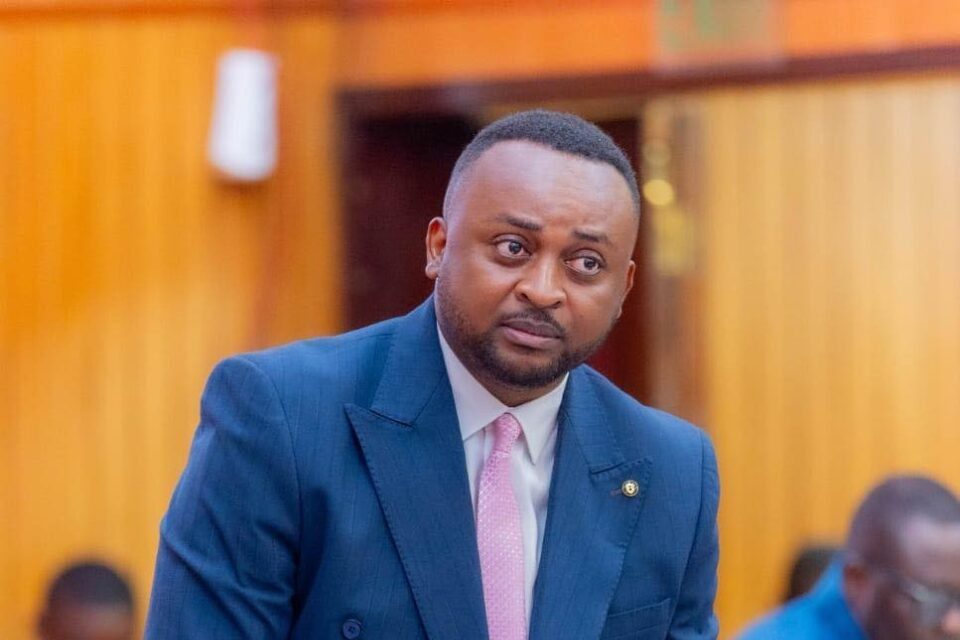
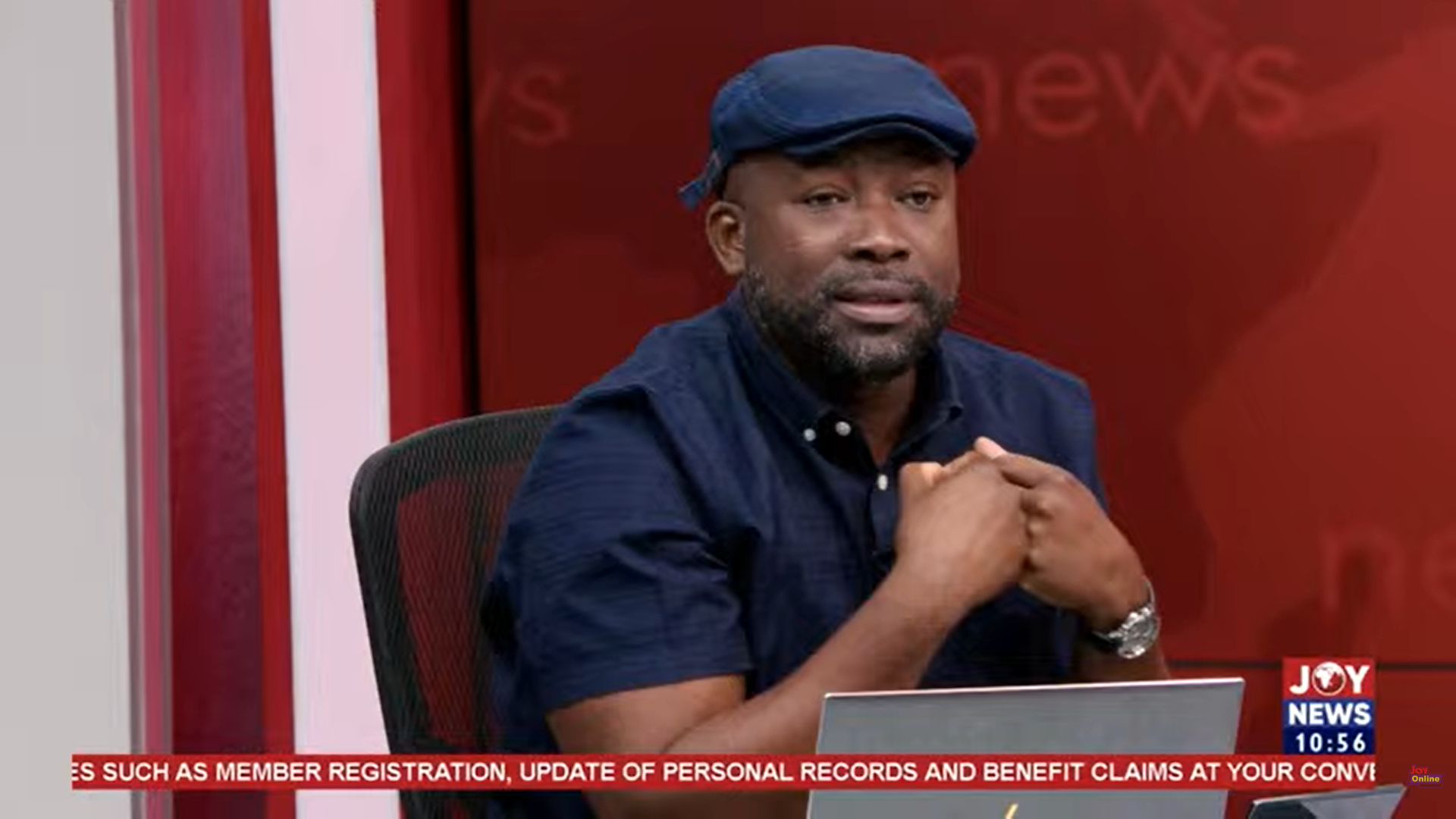
Ghana's Ranking Member of Parliament Vincent Ekow Assafuah has exposed significant irregularities in staff documentation submitted by the National Sports Authority (NSA) to foreign embassies for the 2026 FIFA World Cup, raising serious questions about governance and the vetting process for visa applications.
According to Assafuah's investigation, only 15 individuals out of approximately 102 names presented to the United States and Canadian embassies could be verified as legitimate NSA officers or affiliates. The remaining individuals on the list lack verifiable connections to the authority, despite being represented as official World Cup personnel.
The Documentation Discrepancies
The scandal centres on conflicting and inconsistent documentation submitted to diplomatic missions. Assafuah highlighted a striking example: an email dated 28 January 2026 identified one person as the NSA board secretary, while a separate letter signed by the board chairman named a completely different individual for the identical position. Such contradictions raise fundamental questions about document authenticity and the reliability of the vetting process.
Beyond the board secretary conflict, the lists included individuals described as procurement officers, regional coordinators and various other officials whose positions could not be independently verified within the NSA's actual organisational structure. The Canadian visa section subsequently requested documentary evidence to substantiate employment claims, a standard diplomatic protocol that apparently exposed the gaps in Ghana's submissions.
Assafuah's concerns extend to how these lists were compiled and processed before submission. He has called for rigorous scrutiny of the procedures used to vet applicants and prepare supporting documentation, questioning whether adequate oversight mechanisms exist within the NSA or relevant government bodies.
Why It Matters for Ghana
This visa scandal carries significant implications for Ghana's international reputation and credibility. The World Cup represents a major opportunity for the nation to demonstrate organisational competence on the global stage. Submitting unverified personnel lists to foreign embassies undermines Ghana's standing and could complicate visa processing for legitimate World Cup staff in future.
The incident also highlights governance issues within the NSA itself. If an authority cannot maintain accurate records of its own personnel or ensure that documentation is consistent across official communications, it raises broader questions about institutional management and accountability. For a body entrusted with representing Ghana in international sporting matters, such administrative failures are particularly damaging.
Beyond the immediate World Cup context, this scandal affects all Ghanaians requiring visas. Inconsistencies in official documentation erode trust between Ghana's government and foreign diplomatic missions, potentially making visa applications more difficult for ordinary citizens and businesses. Embassies may impose stricter verification requirements across all categories of Ghanaian applicants as a precautionary measure.
Moving Forward
Assafuah's revelations demand urgent investigation and corrective action. Key questions require answers: Who authorised submission of these lists? What oversight mechanisms failed? Were senior NSA officials aware of the inaccuracies? The parliamentary scrutiny appears warranted and necessary to prevent similar incidents and restore institutional integrity.
As Ghana approaches the 2026 World Cup, ensuring transparent and accurate administrative processes is essential. The nation's international partners expect reliable documentation and genuine personnel listings. Addressing these discrepancies swiftly and comprehensively will be crucial for maintaining Ghana's credibility as a World Cup host nation.
Source: The Ghana Report
Comments (0)
Be the first to comment.