Parliament's Minority Calls for Accountability in Thomas Partey Canada Entry Denial
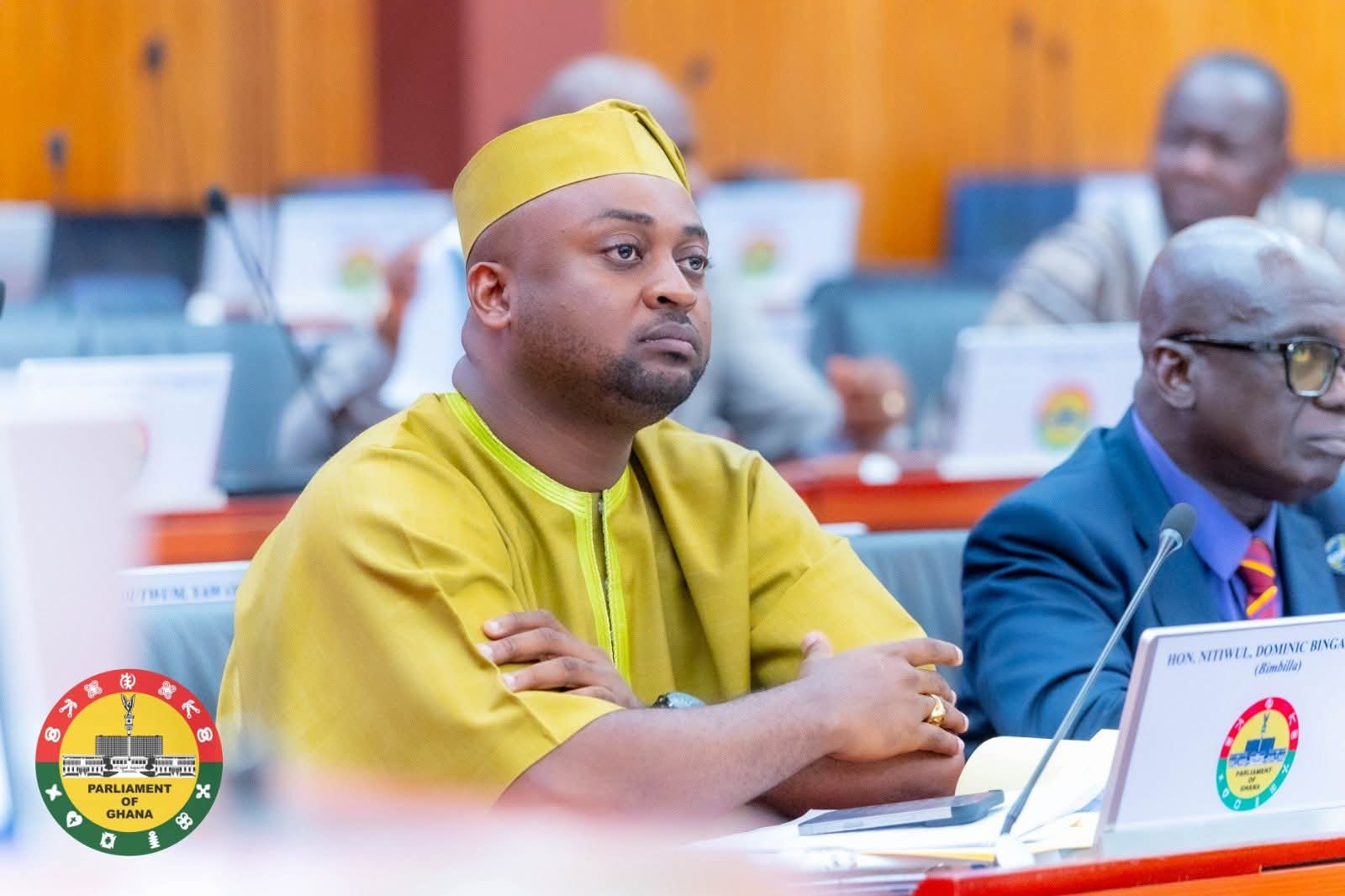
Ghana's Parliamentary Minority has escalated scrutiny of the Ghana Football Association and Sports Ministry over their handling of midfielder Thomas Partey's participation in the country's opening 2026 FIFA World Cup qualifier against Panama in Canada, after the player was denied entry to the nation.
Vincent Ekow Assafuah, Ranking Member of Parliament's Youth, Sports and Culture Committee, has signalled that the controversy extends beyond Partey's individual circumstances. The focus is now firmly on institutional accountability and whether Ghana's football and sports governing bodies conducted adequate due diligence before selecting the player for the critical tournament.
The Key Questions Being Raised
Assafuah emphasised that Parliament is not making judgements about Partey's personal legal standing. "This is not about determining Mr Partey's guilt or innocence. He is entitled to the presumption of innocence," he stated, establishing a clear distinction between the player's rights and the organisations' administrative responsibilities.
Instead, the Minority is demanding clarity on three critical points: what information was available to the GFA and Ministry regarding potential entry restrictions; when they became aware of this information; and what preventive steps were taken before finalising World Cup squad arrangements. These questions suggest concerns that decision-makers may have proceeded without full knowledge of immigration or legal complications that could affect player availability.
Why It Matters for Ghana's World Cup Campaign
Ghana's qualification for the 2026 FIFA World Cup represents a significant achievement for African football, and the opening match against Panama is a crucial early-stage fixture. The unexpected absence of an experienced, established midfield player due to denied entry raises questions about preparation standards at international level.
For Ghanaian fans and stakeholders, the issue underscores broader concerns about institutional governance in sports. The incident highlights potential gaps between the GFA's squad selection process and practical realities—including legal or immigration barriers that should have been flagged and addressed in advance. Such oversights could jeopardise Ghana's competitive position in a tournament where preparation and squad stability are paramount.
The Minority's intervention also reflects Parliament's growing role in holding sports bodies accountable. Ghana's football sector has faced recurring criticism over transparency and administrative standards, and this parliamentary demand signals that legislative oversight is being applied to high-profile decisions affecting national representation.
Broader Implications
The controversy may prompt the GFA and Sports Ministry to establish more rigorous pre-tournament vetting procedures, particularly for players with any known legal matters that could affect international travel. For future World Cup campaigns and major tournaments, such a case serves as a cautionary example of the need for coordination between sporting authorities and legal or diplomatic advisers.
The situation also reflects the real-world complexity of modern international football, where player availability is influenced not only by injury or form but by factors beyond the pitch. How Ghana's institutions respond to this accountability demand will signal their commitment to professional standards ahead of a competition that offers the nation a genuine chance to compete on the world stage.
Source: The Ghanaian Times

Comments (0)
Be the first to comment.