
Wontumi's arrest marks beginning of accountability reckoning, NDC warns
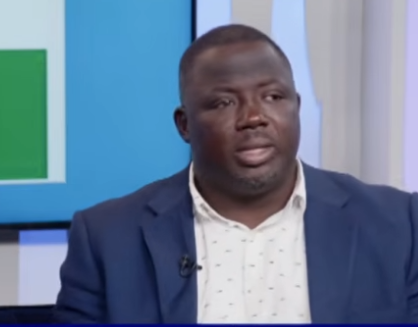

The National Democratic Congress has ramped up its rhetoric on accountability, with Deputy General Secretary Mustapha Gbande declaring NPP Ashanti Regional Chairman Bernard Antwi Boasiako (Chairman Wontumi) the "first casualty" of government's Operation Recover All Loot (ORAL) initiative and warning that additional prominent figures could face similar legal action.
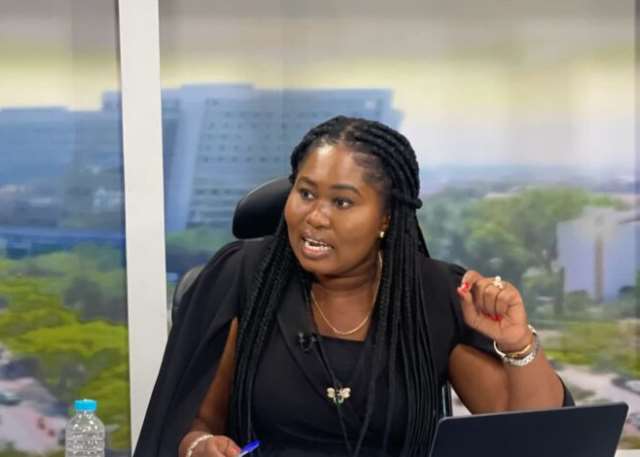
Speaking on JoyPrime on 22 July, Gbande responded sharply to what he characterised as threats from NPP members, insisting that all political actors—regardless of party affiliation or status—must answer for their conduct. His comments reflect deepening political tensions as the government's anti-corruption drive picks up momentum under the new administration.
The accountability debate heating up
Gbande's intervention underscores a central narrative the NDC has advanced since taking office: that no politician should use their party, position, or influence to evade legal consequences. He was particularly critical of what he termed a culture wherein public officials use ministerial appointments to rapidly accumulate wealth and power, suggesting this undermines public trust in democratic institutions.
His remarks came amid broader criticism of how party executives sometimes behave differently when their party holds government power, treating their positions as shields against accountability. Gbande argued this attitude corrodes confidence in political parties themselves and must end if Ghana is to strengthen its democratic culture.
Why it matters for Ghana
The Wontumi case and Gbande's framing raise fundamental questions about Ghana's anti-corruption enforcement and whether legal action will be applied consistently across party lines. Historically, Ghanaian politics has been marked by selective prosecution concerns—allegations that governments pursue rivals more vigorously than their own members.
The ORAL initiative, launched by the current administration, is meant to signal a break from that pattern. If high-profile NPP figures face prosecution while NDC members are similarly held accountable, it could strengthen institutional trust. Conversely, if enforcement appears one-sided, it may fuel claims of political witch-hunts and deepen polarisation ahead of future elections.
The stakes are significant: public faith in Ghana's institutions, the credibility of anti-corruption bodies, and the precedent set for how future governments will handle their predecessors. Gbande's willingness to accept prosecution of NDC members under the same standard—if it materialises—would test the sincerity of the accountability message.
Broader political implications
The NDC's aggressive messaging also reflects confidence in their electoral and political position. By publicly embracing accountability as a principle and even welcoming potential prosecution of their own members, they are attempting to occupy the moral high ground in public discourse. However, this stance only gains credibility if applied consistently and transparently.
For NPP supporters and members, the narrative represents what they may view as selective justice, particularly if prosecutions focus disproportionately on opposition figures or if due process concerns arise. The coming months will be critical in determining whether ORAL becomes a symbol of genuine institutional reform or another chapter in Ghana's history of politically motivated enforcement.
Source: MyJoyOnline

Comments (0)
Be the first to comment.