
Fuseini Dismisses NPP Claims That Wontumi Is Political Prisoner
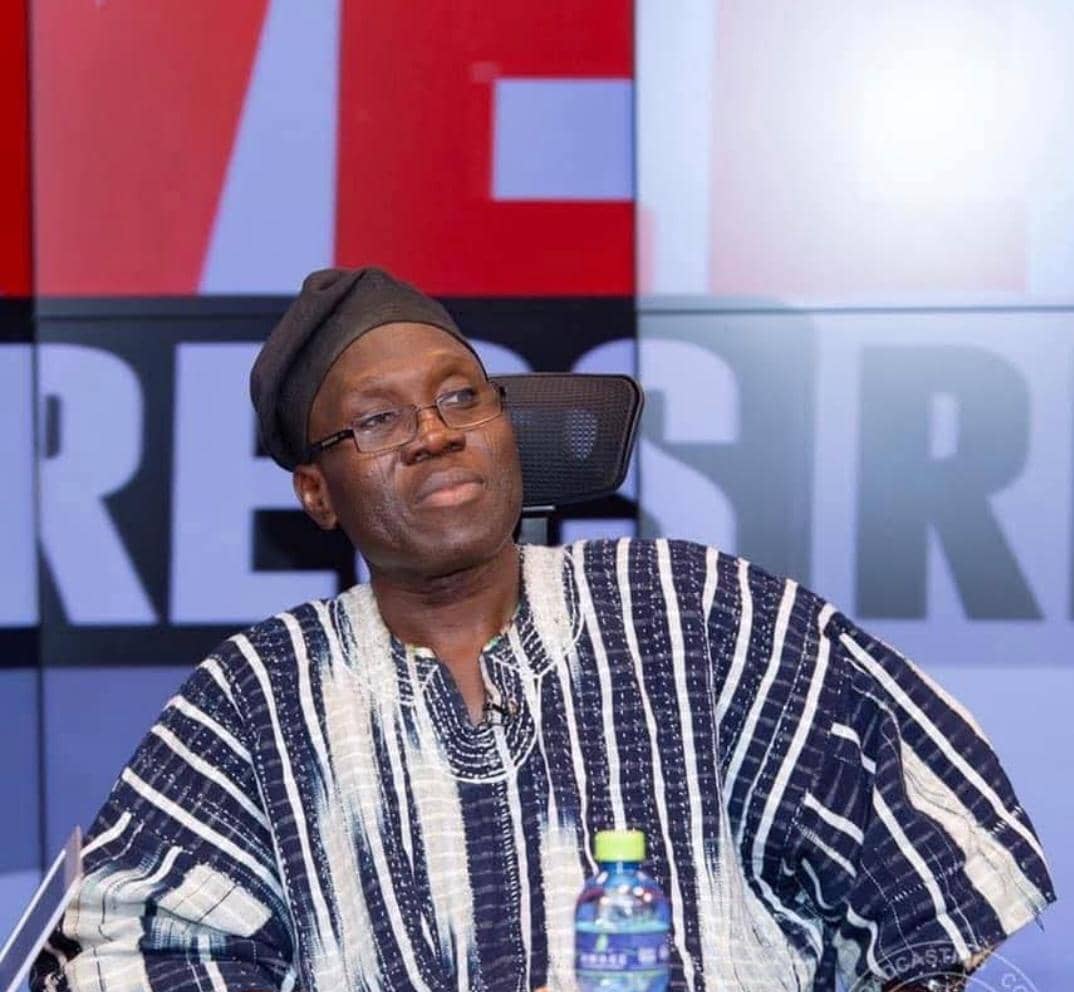

Former Interior Minister Inusah Fuseini has rejected claims by the New Patriotic Party (NPP) that regional chairman Wontumi is being persecuted as a political prisoner, reigniting tensions between Ghana's two main political parties over due process and judicial independence.
Fuseini's statement comes as the NPP has sought to frame Wontumi's legal challenges within a broader narrative of political targeting. The rejection by the seasoned National Democratic Congress (NDC) figure underscores the deep partisan divide on how Ghanaians should interpret ongoing legal proceedings against prominent political figures.
The Dispute Over Wontumi's Status
The controversy centres on whether Wontumi's involvement in legal matters represents genuine criminal accountability or selective prosecution based on political affiliation. The NPP has argued that the treatment amounts to political persecution, whilst critics from the opposing camp contend that no one is above the law and that legal processes must be allowed to proceed without interference.
Fuseini's rejection of the 'political prisoner' framing reflects the NDC's position that the judicial system should operate independently of partisan considerations. His comments suggest that the opposition party views such characterisations as attempts to undermine legitimate legal proceedings.
Why It Matters for Ghana
This exchange highlights a critical challenge facing Ghana's democracy: maintaining public confidence in judicial independence whilst managing intense partisan politics. The country has long prided itself on institutional resilience, but allegations of selective prosecution—whether real or perceived—can erode trust in the courts and the rule of law.
When major political parties weaponise legal processes or accuse opponents of doing so, it creates a chilling effect on governance. Citizens become uncertain whether courts serve justice or party interests. This uncertainty weakens democratic institutions that depend on widespread acceptance of their legitimacy.
The Wontumi case is emblematic of broader concerns about how Ghana's political elite navigate the intersection of law and politics. As the country approaches future elections, how the two parties frame and respond to legal challenges against their members will shape public perception of judicial fairness and democratic health.
For ordinary Ghanaians, these disputes matter because they signal whether Ghana's courts can be trusted to uphold the constitution impartially. If citizens believe the judiciary is captured by the ruling party—or that opposition figures can escape accountability through political outcry—confidence in institutions suffers.
Broader Political Context
Ghana's two-party system has created a pattern where allegations of political persecution are traded back and forth with each change of government. The challenge for the state is demonstrating that legal action against politicians is driven by evidence and the law, not party loyalty.
Fuseini's intervention suggests the NDC is committed to defending the government's position on judicial matters, whilst the NPP continues to mobilise its base around claims of unfair treatment. Until both parties can accept that legitimate legal proceedings may target their members without constituting persecution, these cycles will likely persist.
Source: Today GH



Comments (0)
Be the first to comment.