
No one can choose how they're arrested – NDC spokesman on Aboagye case
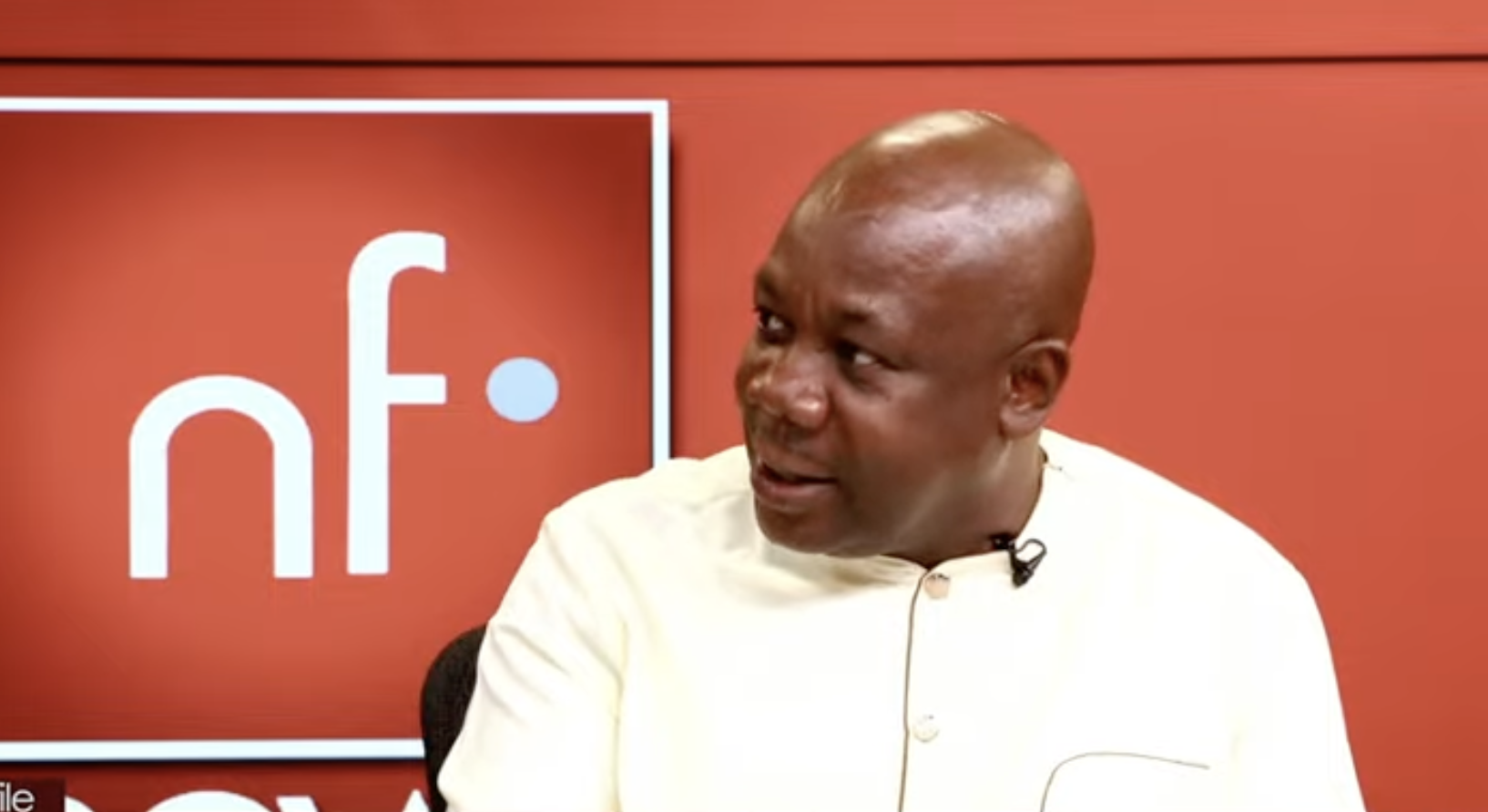
A National Democratic Congress (NDC) communications team member has defended the arrest of Dennis Miracles Aboagye, arguing that Ghanaian citizens cannot dictate the terms under which they should be taken into custody by law enforcement authorities.
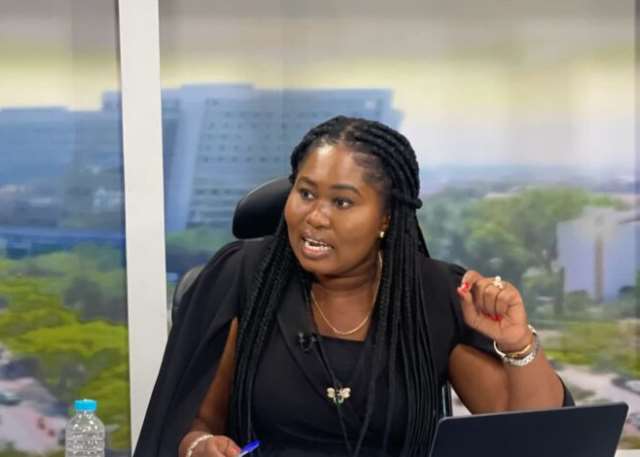
Theophilus Dzimega Jnr., a lawyer and engineer speaking on JoyNews' Newsfile programme on Saturday, July 18, stated that individuals suspected of wrongdoing have no authority to determine when or where they should be arrested. His remarks address ongoing debate surrounding Aboagye's apprehension by the Economic and Organised Crime Office (EOCO).
The Aboagye arrest and controversy
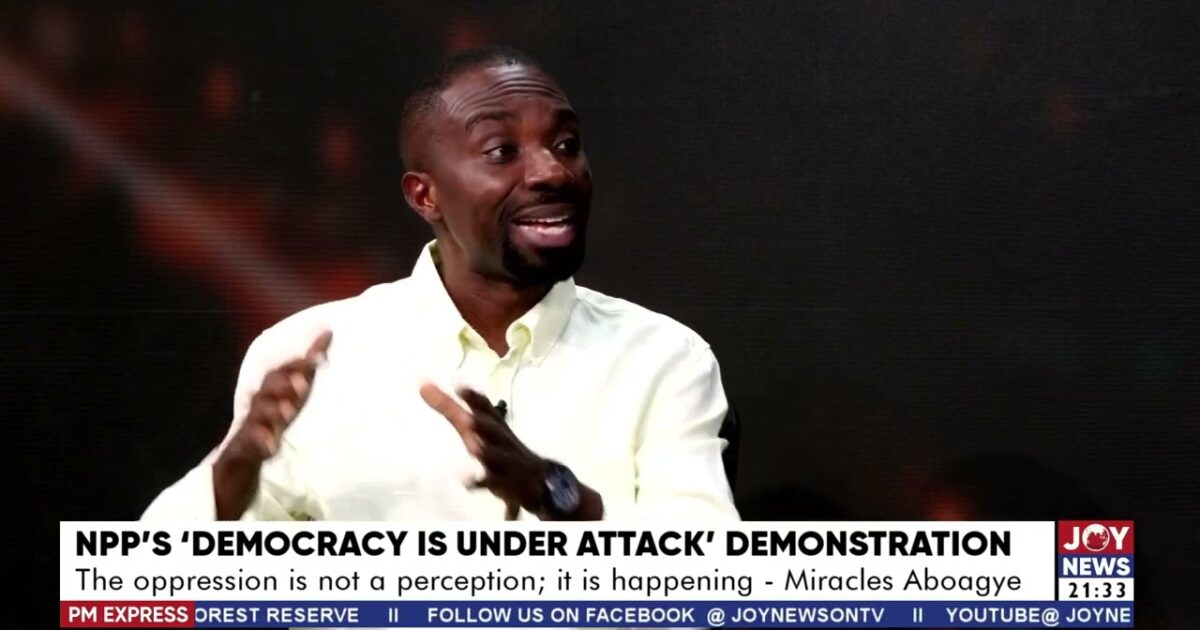
Dennis Miracles Aboagye, who served as Director of Communications for former Vice President Dr Mahamudu Bawumia's 2024 campaign team, was arrested by EOCO in connection with investigations into alleged financial and procurement irregularities at the Inter-Ministerial Coordinating Committee on Decentralisation (IMCCoD). The case involves approximately GH¢55 million under investigation.
The arrest and subsequent bail conditions have drawn significant criticism from members of the New Patriotic Party (NPP), with party supporters questioning both the timing and manner of Aboagye's apprehension. Some have suggested the arrest was politically motivated or conducted inappropriately, raising concerns about the handling of the case by state institutions.
Why it matters for Ghana
Dzimega's intervention highlights a fundamental tension in Ghana's approach to accountability and law enforcement. His argument—that no citizen can set conditions for their own arrest—touches on broader questions about how Ghana's institutions balance respect for due process with the need for effective investigations into alleged financial crimes.
The case carries political weight because it involves a senior figure from the previous administration at a time when Ghana faces scrutiny over public financial management. The manner in which such high-profile arrests are conducted can influence public confidence in both law enforcement agencies and the judicial system. When prominent political figures face arrest, the circumstances often become subjects of public debate, with supporters questioning fairness and critics demanding accountability.
Dzimega's position reinforces the principle that law enforcement agencies must maintain operational independence to pursue investigations without interference or conditions imposed by suspects or their associates. However, this must be balanced against concerns about procedural fairness, transparency, and whether arrest methods comply with constitutional protections.
The broader accountability debate
The NDC spokesman stressed that accountability processes must be respected and that state institutions require the freedom to execute their mandates. His comments suggest that criticism of arrest procedures could be seen as attempts to undermine law enforcement effectiveness.
The case raises important questions for Ghana's governance: how can the state investigate alleged financial wrongdoing thoroughly whilst maintaining public trust in the fairness of the process? How should citizens and political parties respond when members face arrest, and at what point do legitimate procedural concerns become obstruction?
As investigations continue, the balance between institutional independence and procedural fairness will likely remain a focal point for public discourse in Ghana.
Source: MyJoyOnline
Comments (0)
Be the first to comment.