Women's Development Bank Still Not Operational Nearly Two Years After Launch Promise, Says Bawumia
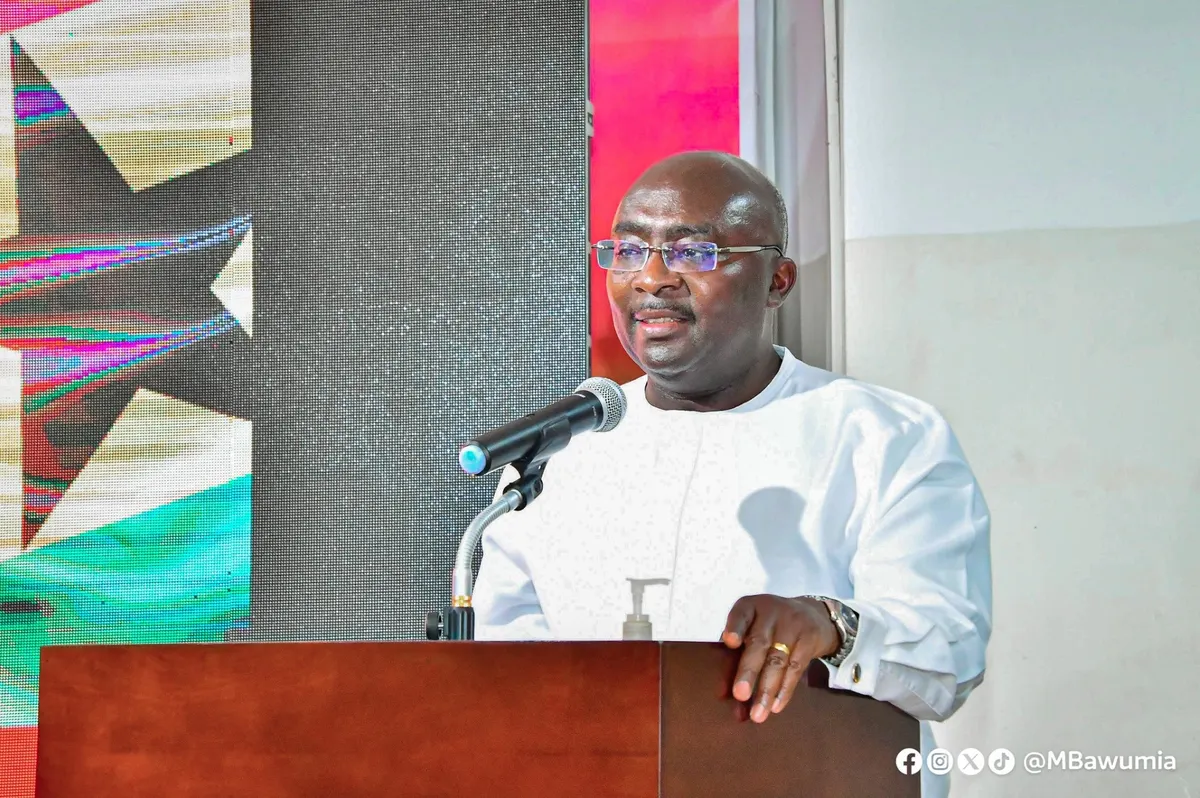
Vice President Mahamudu Bawumia has publicly highlighted the stalled progress of the Women's Development Bank initiative, noting that the facility has failed to serve a single market woman since its announcement nearly two years ago. The criticism underscores growing concerns about the government's ability to deliver on flagship financial inclusion pledges aimed at Ghana's informal economy.
The Women's Development Bank Promise
The Women's Development Bank was positioned as a cornerstone initiative to provide affordable credit, savings facilities, and financial services tailored specifically to women traders, market vendors, and female entrepreneurs across Ghana. Market women represent a vital but often underserved segment of the economy, typically lacking access to traditional banking services due to collateral requirements, documentation challenges, and high interest rates. The bank's proposed mandate was to bridge this critical gap and empower female traders with capital for business expansion and financial stability.
The initiative gained political traction as both the ruling New Patriotic Party (NPP) and the opposition National Democratic Congress (NDC) incorporated it into their policy platforms, signalling bipartisan recognition of the need to support women in Ghana's informal sector. However, nearly two years after the initial announcement, the bank remains non-operational, frustrating stakeholders who expected swift implementation.
Delays and Implementation Challenges
The extended timeline without operational launch raises questions about regulatory approvals, funding mechanisms, and institutional readiness. Establishing a development bank requires navigating licensing requirements from the Bank of Ghana, securing initial capitalisation, developing digital infrastructure, and recruiting specialised staff—all processes that demand coordination across multiple government agencies and stakeholders. The lack of visible progress suggests either bureaucratic bottlenecks, insufficient funding allocation, or shifting political priorities.
For Ghana's market women, the delay represents a missed opportunity during a critical period when many small-scale traders have struggled with inflation, rising input costs, and limited access to working capital. The failure to operationalise the bank has practical consequences for household incomes, business growth, and economic resilience across informal trading communities.
Why It Matters for Ghana
Ghana's informal economy employs millions, with women comprising a substantial proportion of traders in markets, transport hubs, and street commerce. Without access to affordable formal credit, many rely on expensive informal lending networks or rotating savings groups, which limit growth potential. A functional Women's Development Bank could transform livelihoods by enabling inventory expansion, equipment acquisition, and business formalisation.
The stalled initiative also reflects broader patterns of delayed implementation of social policy commitments in Ghana, eroding public confidence in government promises. When major pledges fail to materialise on schedule, it affects citizen trust in institutions and shapes voting behaviour in subsequent elections. Bawumia's public acknowledgement of the delay suggests internal pressure within the NPP to address the issue before the next electoral cycle.
For the NDC, which also committed to the Women's Development Bank, the implementation gap creates an opportunity to campaign on the grounds that the current administration has failed to prioritise women's economic empowerment despite promising to do so.
Path Forward
Stakeholders are calling for transparent timelines, clear funding commitments, and dedicated oversight to revive the project. The Bank of Ghana and relevant ministry officials must clarify regulatory status, outstanding approvals, and realistic launch dates. Additionally, the bank's design should incorporate feedback from market women themselves to ensure the product meets actual user needs rather than bureaucratic assumptions.
Without urgent action, the Women's Development Bank risks becoming a symbol of unfulfilled governance promises in Ghana's ongoing development agenda.
Source: 3News

Comments (0)
Be the first to comment.