
UN Envoy Queen Máxima Pushes Ghana to Close the Gap Between Banking Access and Financial Wellbeing


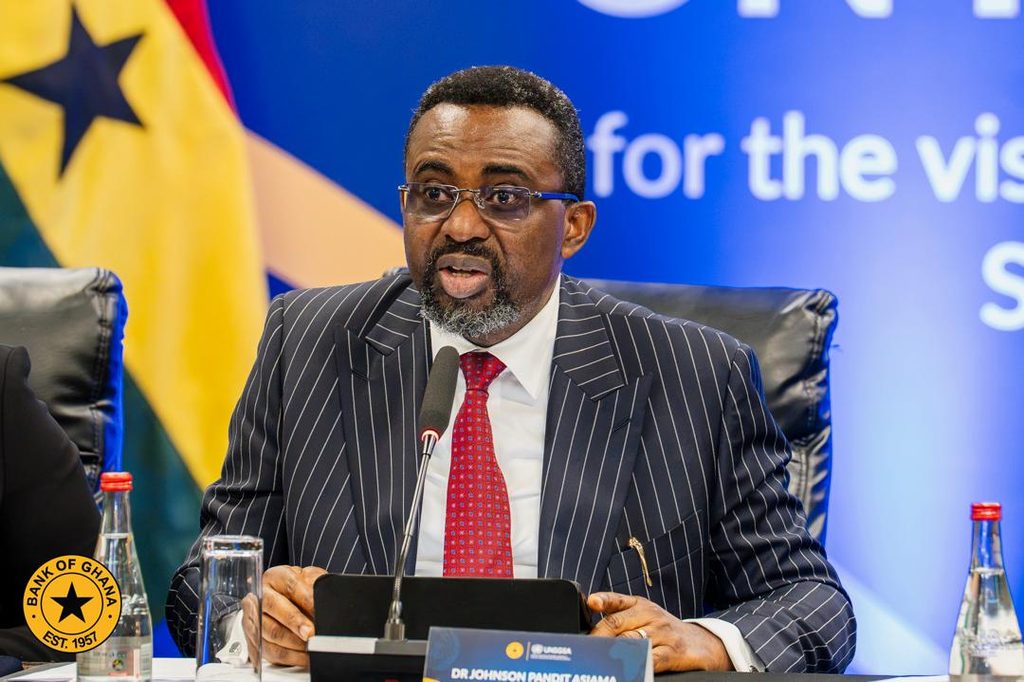
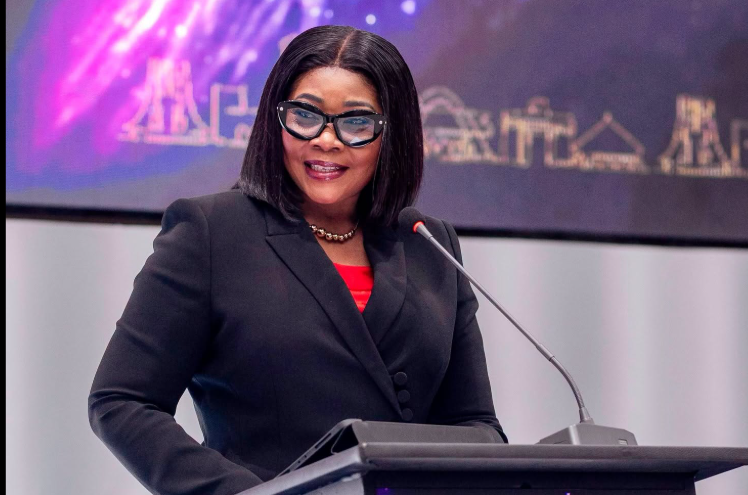
Having a bank account is not the same as being financially secure — and that message was delivered directly to Ghana's central bank by a senior United Nations advocate. Queen Máxima of the Netherlands, who serves as the UN Secretary-General's Special Advocate for Inclusive Finance for Development (UNSGSA), held talks with the Bank of Ghana (BoG) and called on policymakers to shift their focus from simply connecting people to the financial system to ensuring that system actually improves their lives.
A striking gap between access and health
The figures at the heart of Queen Máxima's visit paint a telling picture. While approximately 81 per cent of Ghanaian adults now hold a financial account — a remarkable achievement driven in large part by mobile money expansion — only around 22 per cent of the population can be described as financially healthy. That means the overwhelming majority of account holders are still unable to comfortably manage daily expenses, absorb unexpected shocks, save meaningfully, or plan for the future.
This gap, the UN envoy argued, is where Ghana's next chapter of financial inclusion must be written. Opening an account, she stressed, is merely the entry point. The harder and more important work lies in designing and delivering products — longer-term savings vehicles, affordable insurance, accessible credit, and retirement planning tools — that move people from participation to genuine stability.
Why it matters for Ghana
Ghana has rightly been celebrated across Africa for the speed and scale of its mobile money adoption. Platforms linked to major telecoms operators have brought millions of previously unbanked citizens into the fold, and the country is frequently cited as a model for digital financial inclusion on the continent. Yet the conversation Queen Máxima is pushing reflects a growing consensus among development economists: inclusion metrics that stop at account ownership can mask deep vulnerability.
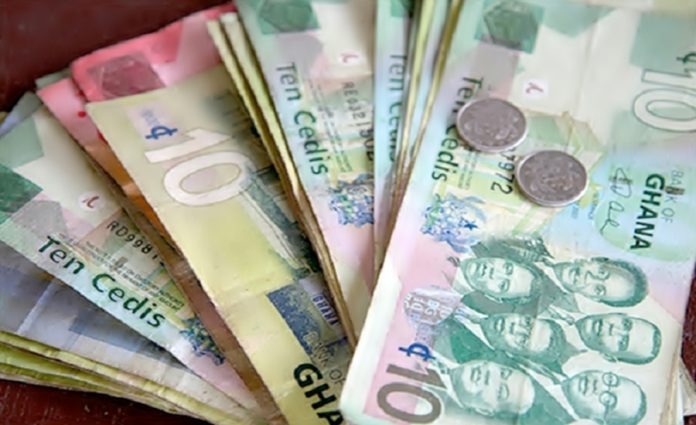
For many Ghanaians, particularly those in the informal sector, financial shocks — a medical emergency, a poor harvest, sudden unemployment — remain devastating precisely because appropriate financial products are either unavailable, unaffordable, or poorly understood. The cedi's recent volatility and broader cost-of-living pressures have made this fragility even more visible, with households that technically have accounts still struggling to build any meaningful buffer.
The Bank of Ghana, for its part, has in recent years introduced a range of regulatory frameworks aimed at deepening the financial sector, including guidelines on digital lending and consumer protection. Queen Máxima's engagement suggests the international community sees Ghana as a country with both the infrastructure and the institutional capacity to now tackle the more nuanced challenge of financial wellbeing — not just financial access.
What comes next
Queen Máxima's advocacy typically results in follow-up technical engagements between the UNSGSA's office and national financial authorities, and her visits have historically helped accelerate policy reform in countries she engages. For Ghana, the priority areas she highlighted — longer-term financial products and a greater emphasis on outcomes rather than just outreach — are likely to inform upcoming discussions at the BoG around fintech regulation, pension reform, and insurance penetration.
Civil society groups and consumer advocates in Ghana have long raised similar concerns, arguing that financial literacy campaigns must be matched by genuinely useful and fairly priced products. If Queen Máxima's visit helps bring international weight and resources behind those domestic calls, the 59 per cent of account holders currently falling short of financial health may eventually have better tools to bridge that gap.
- 81% of Ghanaian adults hold a financial account, but only 22% are considered financially healthy.
- Queen Máxima met with the Bank of Ghana to advocate for longer-term, outcome-focused financial products.
- Ghana's mobile money success is widely praised, but deep financial vulnerability persists for millions.
Source: 3News

Comments (0)
Be the first to comment.