Bank of Ghana pushes stakeholder unity to unlock digital finance for SMEs
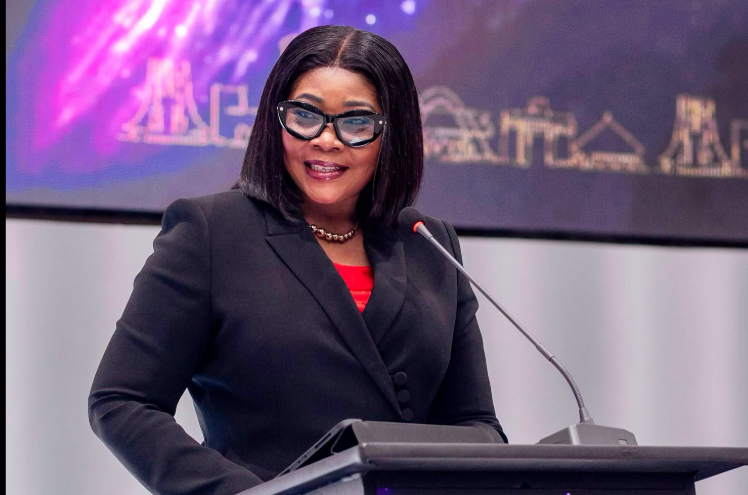
Ghana's central bank is urging closer cooperation among financial institutions and sector players to harness the country's growing digital finance infrastructure and broaden access to banking services for small and medium-sized enterprises.
Speaking at the Distinguished Digital Finance Lecture in Accra on Monday, Second Deputy Governor Matilda Asante-Asiedu stressed that Ghana has already built much of the technical foundation needed for large-scale financial innovation. The missing piece, she suggested, is not new technology but stronger coordination among the various players operating within the ecosystem.
Ghana's digital payment momentum
The figures paint a picture of a rapidly evolving financial landscape. Mobile money platforms alone processed nearly 954 million transactions valued at around GH¢493 billion during June 2026, underscoring how deeply digital payment services have penetrated Ghanaian commerce and daily transactions. This scale demonstrates that the basic infrastructure—payment rails, mobile connectivity, and user adoption—is already in place.
However, Asante-Asiedu's message went beyond celebrating these metrics. She reframed the conversation about what true financial inclusion means in Ghana's context. Traditionally, policymakers have measured progress by counting how many people hold bank accounts or have access to mobile money services. But this narrow definition masks a deeper challenge: whether those same individuals and businesses can actually access the credit, insurance products, and investment opportunities they need to grow and thrive.
Redefining financial inclusion
The Bank of Ghana's stance reflects a maturing understanding of what digital finance should deliver. Simply having a mobile wallet is insufficient if a trader cannot easily obtain a business loan, or if a small manufacturer cannot access trade credit insurance to mitigate supply-chain risks. Real inclusion, the BoG is signalling, means fair and reliable access to a full suite of financial products tailored to actual economic needs.
For Ghana's SME sector—which employs millions and drives local economic activity—this shift matters enormously. Many small businesses remain underserved by traditional banks and still lack dependable pathways to working capital or growth financing. Digital platforms have made payments easier, but credit, risk management, and investment tools remain fragmented and difficult to navigate for entrepreneurs without formal collateral or credit histories.
Why it matters for Ghana
The BoG's call for stakeholder coordination has direct implications for Ghana's economic trajectory. If mobile money operators, commercial banks, fintechs, and regulators work in silos, the potential of digital finance remains capped. But if they align around common standards, data sharing, and complementary services, the ecosystem can unlock lending and investment at scale that would otherwise stay out of reach for SMEs.
This coordination challenge also speaks to a broader governance issue: ensuring that innovation happens within a secure, inclusive framework that protects consumers while encouraging experimentation. The BoG has signalled its commitment to this balance—supporting innovation without compromising financial security and consumer protection.
For Ghana to move from a cash-dependent economy to one where digital and formal financial services are the default, this kind of institutional alignment is essential. The infrastructure exists; now the institutions must learn to work together to make the promise of digital finance a reality for millions of Ghanaians and thousands of small businesses that remain excluded from reliable credit and investment tools.
Source: MyJoyOnline

Comments (0)
Be the first to comment.