
From USSD to Treasury Bills: How Ghana's Mobile Money Revolution is Reshaping Personal Finance
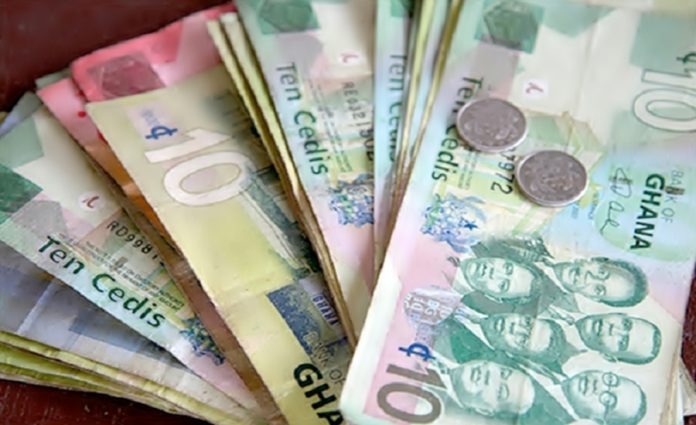

Ghana's financial landscape is undergoing a quiet but profound transformation. What began as a simple payment mechanism has evolved into a comprehensive digital financial ecosystem where market traders, artisans, and informal sector workers can access credit on Monday, repay by Friday, and invest profits in Treasury Bills—all through their mobile phones. This convergence of mobile money, credit facilities, and investment products represents a watershed moment for financial inclusion in West Africa's second-largest economy.
The journey started in 2008 with the Branchless Banking Guidelines, which established the regulatory framework for Ghana's first mobile money services. Today, mobile money accounts are nearly ubiquitous, with millions relying on these platforms as their primary financial tool. What makes the current phase distinctive is the integration of investment products like Treasury Bills into USSD-enabled platforms, allowing citizens without bank accounts to participate in government securities markets historically reserved for the wealthy and institutional investors.
How Mobile Money is Democratising Investment
For Ghana's informal economy—estimated to employ over 80 per cent of the workforce—this development is transformative. A market trader can now access short-term credit at the beginning of the trading week, finance inventory, generate profit, repay the loan by week's end, and immediately redirect earnings into Treasury Bills earning government-backed yields. This creates a virtuous cycle: income generation, credit history building, and wealth accumulation all accessible from a basic mobile phone.
The mechanism is straightforward but powerful. Collaborations between mobile money operators and licensed financial institutions have created pathways for products traditionally requiring formal banking relationships. USSD technology—the Unstructured Supplementary Service Data protocol requiring only basic phone networks—removes the barriers of smartphone ownership, internet connectivity, and banking infrastructure that have historically excluded Ghanaians from formal finance.
Beyond individual transactions, this system is catalysing entrepreneurship. Workers building credit histories through mobile-based lending become eligible for larger financing opportunities, enabling business expansion. The resulting economic activity generates employment and contributes to broader GDP growth while simultaneously reducing cash-based transactions and improving financial visibility for tax purposes.
The Security Challenge Threatening Growth
However, this rapid expansion faces a critical obstacle: digital fraud and insufficient consumer literacy. Ghana's digital financial landscape has shifted from basic social engineering scams to sophisticated phishing, smishing (SMS-based deception), and vishing (voice call scams). Fraudsters commonly impersonate mobile network operators or financial institutions, creating false urgency to extract PINs, one-time passwords, and account details.
The vulnerability is particularly acute among low-income earners and first-time digital finance users—precisely the populations mobile money aims to serve. Unsafe practices, such as sharing PINs with agents or family members, remain common due to limited digital financial literacy. Once fraudsters obtain access credentials, they can drain accounts and redirect investments within minutes.
This risk threatens to undermine the entire inclusion narrative. If users lose confidence in digital platforms, the ecosystem collapses, and millions revert to cash-based transactions and informal savings methods offering no protection and no returns.
Why It Matters for Ghana
The stakes extend beyond individual security. Ghana's Treasury Bill market, already strained by domestic financing pressures, depends on broad-based investor participation. Expanding the investor base through mobile platforms could deepen market liquidity and reduce government borrowing costs. Simultaneously, digital financial inclusion strengthens the informal sector's integration with formal systems, improving tax compliance and enabling better monetary policy transmission.
For citizens, the ability to invest in government securities provides genuine wealth-building opportunity and protection against inflation. For the economy, it channels savings into productive government investment and reduces the velocity of cash circulating in high-risk informal channels.
Realising this potential requires coordinated action: regulators must strengthen cybersecurity standards and enforce consumer protection rules; service providers must implement robust authentication and fraud detection; government must fund financial literacy campaigns targeting vulnerable users; and consumers must adopt basic digital hygiene practices. Ghana's mobile money revolution has already democratised transactions. The next phase—democratising investment—remains within reach, but only if security and literacy match ambition.
Source: The Ghana Report





Comments (0)
Be the first to comment.