
Telecel Cash Ready Loan Hits GHS 1 Billion Milestone, Reshaping Digital Credit Access in Ghana


Telecel Cash has reached a significant financial milestone by disbursing over GHS 1 billion through its Ready Loan service, marking a watershed moment in Ghana's digital financial services sector. The achievement underscores the rapid uptake of mobile-based credit solutions among Ghanaians seeking alternatives to traditional banking constraints.
Ready Loan, developed in partnership with CBG Ghana and Simbrella Ghana Limited, allows eligible Telecel Cash customers to access short-term credit instantly through their mobile money wallets. Users can borrow up to GHS 2,500 based on their assigned credit limits, with funds deposited directly into their accounts within minutes. The service targets both individuals managing unexpected expenses and small business owners needing working capital to sustain operations.
Bridging Ghana's Financial Access Gap
The milestone reflects a critical need in Ghana's economy. Traditional banking channels often exclude millions of citizens through lengthy application processes, stringent collateral requirements, and limited branch networks in rural areas. Ready Loan addresses this exclusion by eliminating paperwork and collateral barriers entirely.
For Ghana's informal sector—traders, artisans, and small-scale entrepreneurs—access to quick credit has historically been limited to high-cost informal lenders. Ready Loan's digital-first approach offers a formal, regulated alternative that can help borrowers build credit history while meeting immediate cash needs. The speed of disbursement is particularly valuable for traders and vendors who face daily working capital pressures.
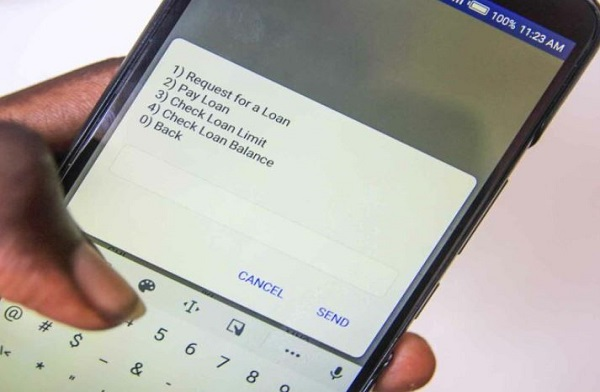
Customers access Ready Loan by dialling *110#, navigating to Financial Services and selecting the Loans option. The simplicity of this interface reflects how mobile money platforms are lowering barriers to financial services for Ghanaians with basic phones and minimal digital literacy.
Why This Matters for Ghana
Financial inclusion remains a development priority for Ghana. According to broader trends in sub-Saharan Africa, digital credit serves as a bridge for the unbanked and underbanked populations to access formal finance. Telecel Cash's achievement signals growing confidence in mobile-based lending among ordinary Ghanaians.
The GHS 1 billion figure represents more than corporate revenue; it indicates that thousands of Ghanaians have now accessed formal credit through their everyday mobile phones. This shift has several implications. First, it demonstrates that mobile money platforms can serve as viable distribution channels for credit products, potentially attracting more lenders to the digital space. Second, it creates credit history data for borrowers previously invisible to formal financial institutions, potentially enabling them to access larger loans in future.
However, the milestone also raises questions about responsible lending. The Managing Director of Telecel Mobile Financial Services emphasised the importance of borrowing responsibly and timely repayment, noting that defaults could affect future credit eligibility. For a population new to formal credit, financial literacy and consumer protection will be crucial to preventing debt traps.
The Growing Digital Credit Ecosystem
Ready Loan's success reflects broader momentum in Ghana's fintech sector. Mobile money platforms, initially designed for remittances and bill payments, are evolving into comprehensive financial service hubs. Other providers are likely to launch similar products, intensifying competition and potentially driving down costs for borrowers.
The partnership structure—Telecel Cash handling customer interface, CBG Ghana managing funds, and Simbrella Ghana Limited operating the lending platform—demonstrates how different players are combining expertise to scale digital credit. This model could become a template for other telecoms and fintech companies expanding into lending.
For Ghanaians facing economic pressures, Ready Loan offers tangible relief from the gap between urgent needs and traditional credit timelines. Yet the success also underscores the need for stronger consumer protection frameworks and financial education to ensure this access translates to genuine economic empowerment rather than unsustainable debt cycles.
Source: Ameyaw Debrah



Comments (0)
Be the first to comment.