
Queen Maxima of the Netherlands visits Bank of Ghana to assess financial inclusion progress
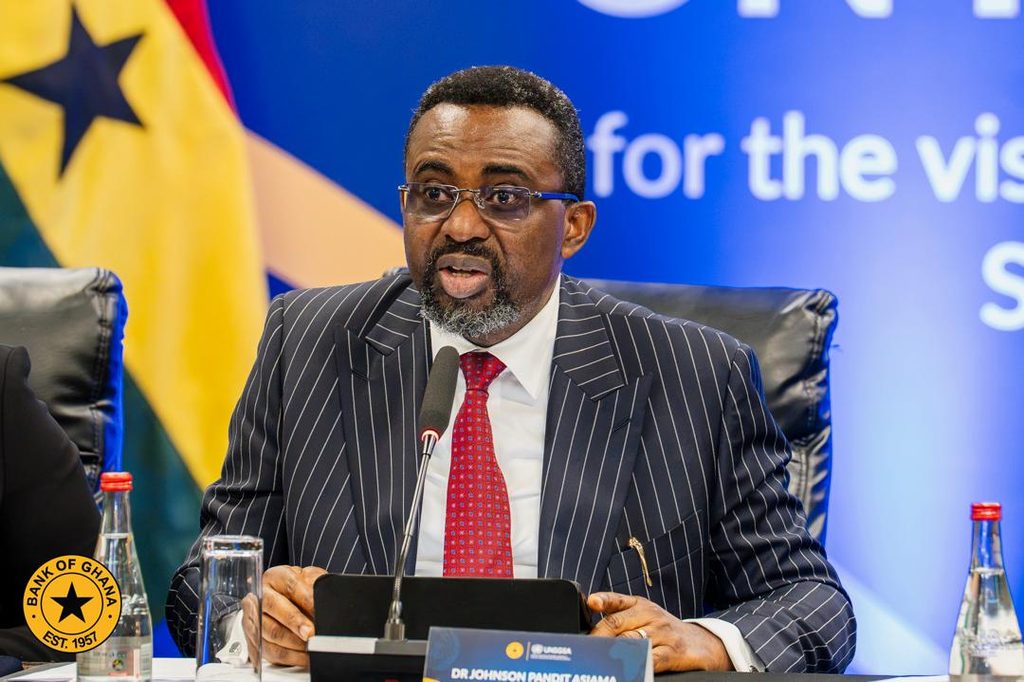

Queen Maxima of the Netherlands touched down in Ghana this week in her capacity as the United Nations Secretary-General's Special Advocate for Financial Health, joining the Bank of Ghana (BoG) for a high-level leadership roundtable that examined how well ordinary Ghanaians are able to access and benefit from the country's financial system.
BoG Governor Dr. Johnson Pandit Asiama hosted the Queen and used his welcome address to paint a picture of a sector that has come a long way — but still has ground to cover. He pointed to the rapid growth of mobile money, interoperable payment platforms and fintech innovation as proof that Ghana has earned its place among Africa's foremost digital finance markets over the past decade.
Ghana's digital finance journey: gains and gaps
Dr. Asiama was candid about the dual reality facing the sector. On one hand, millions of Ghanaians who were previously excluded from formal banking now have access to financial services through their mobile phones — a shift driven by deliberate regulatory decisions and investment in digital infrastructure. On the other hand, he acknowledged that accessibility remains an ongoing challenge, particularly for populations in rural and underserved communities who may own a mobile phone but still struggle to meaningfully participate in the financial system.
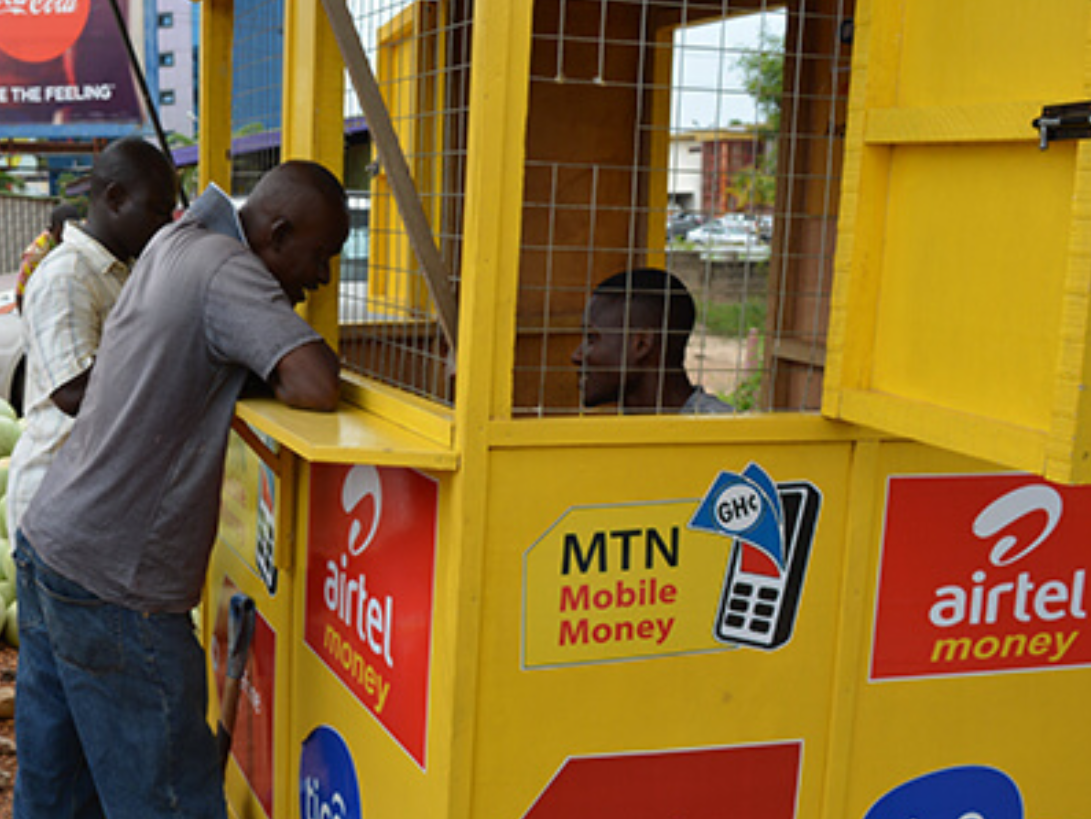
Ghana's mobile money ecosystem, anchored by platforms such as MTN MoMo, Vodafone Cash and AirtelTigo Money, has grown into one of the most active in sub-Saharan Africa. The country's interoperability framework — which allows customers to transfer funds seamlessly across different networks and even into bank accounts — has been widely cited as a model for the region. Despite these advances, financial literacy gaps, unreliable network coverage in remote areas, and the lingering informality of large parts of the economy continue to limit the depth of inclusion.
Why it matters for Ghana
Queen Maxima's visit is significant beyond the symbolism of a royal audience. Her UN role is specifically designed to push governments and central banks to move the conversation beyond access — asking not just whether people have a bank account or a mobile wallet, but whether those tools are genuinely improving their financial wellbeing. That is the essence of financial health: the ability to manage day-to-day expenses, absorb financial shocks, plan for the future and seize economic opportunities.
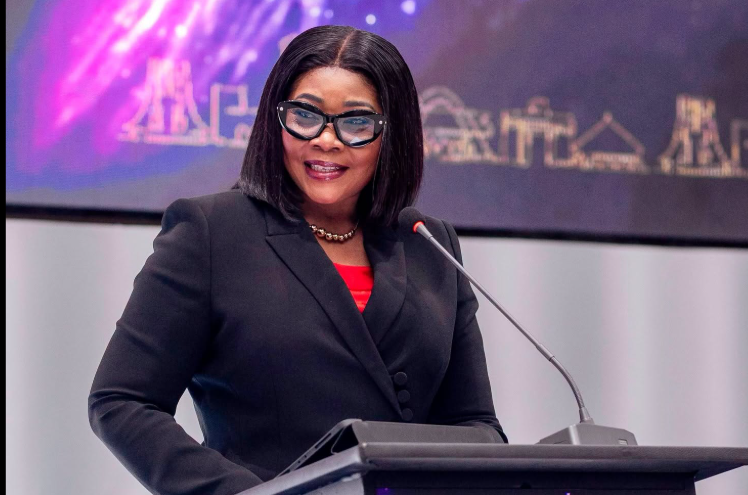
To that end, the Queen urged the Bank of Ghana to go further by developing frameworks to assess the financial health of bank customers — in other words, to measure outcomes, not just reach. She commended Ghana for its consistency in pushing financial services into more sectors of the economy, but made clear that the next frontier is understanding whether those services are actually working for the people using them.
For policymakers, this is a meaningful challenge. Ghana is currently navigating a post-IMF programme economic recovery, and ensuring that financial sector reforms translate into tangible improvements for households — not just headline growth figures — will be critical to sustainable development. A robust financial health measurement framework could also help the central bank design better-targeted products and policies.
What comes next
It is expected that the discussions held during Queen Maxima's visit will feed into broader recommendations for the Bank of Ghana and other stakeholders on how to strengthen financial health metrics and consumer protection within the banking sector. Her advocacy at the UN level also means that insights gathered from Ghana could influence global conversations on inclusive finance.
For Ghanaians, the takeaway is straightforward: the country is recognised internationally as a leader in digital finance innovation, but the work of making that innovation genuinely beneficial — especially for those at the economic margins — is far from complete.
Source: MyJoyOnline

Comments (0)
Be the first to comment.