Ghana's mobile money boom: GH¢492.9bn in June shows fintech dominance over traditional banking
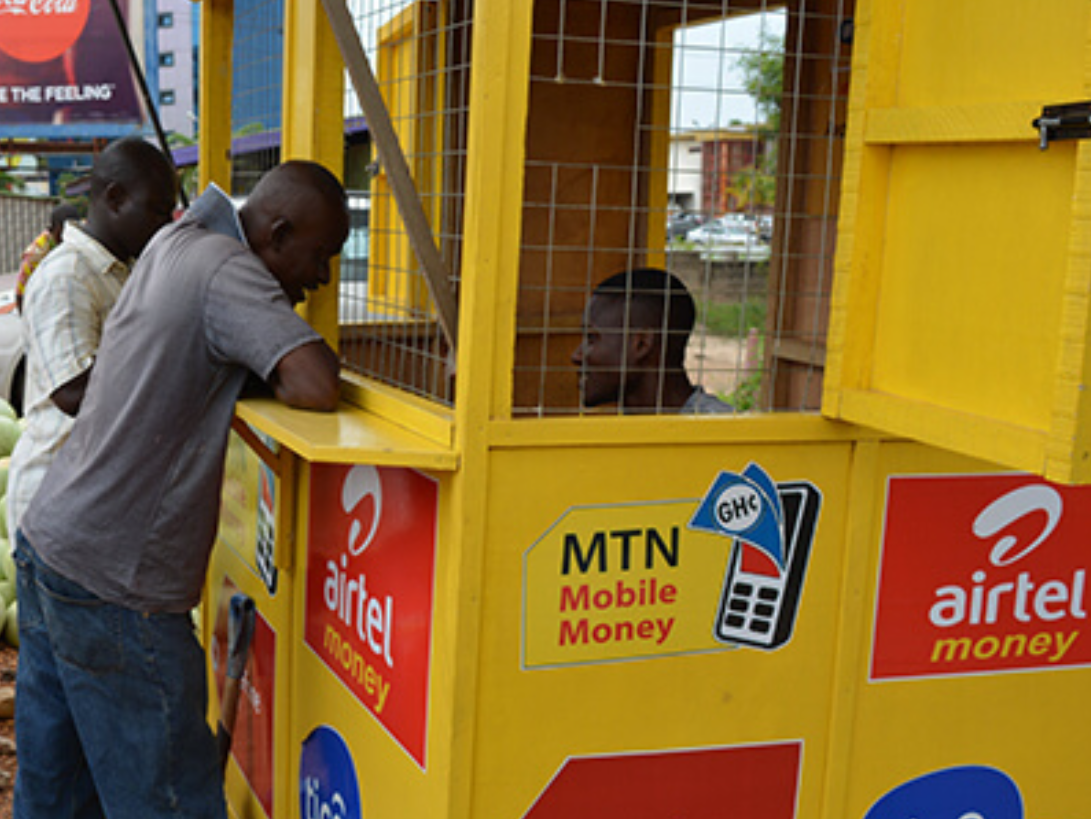
Ghana's mobile money revolution has reached a milestone, with transactions totalling 954 million valued at GH¢492.9 billion in June 2026, according to data released by the Bank of Ghana. The figure represents a dramatic 52% increase from GH¢323.2 billion recorded in the same month last year, underscoring the rapid digital transformation of the country's payment ecosystem and the diminishing role of traditional banking methods.
The dominance of mobile money over conventional payment systems is starkly evident when compared to cheque transactions, which managed only 406,000 transactions worth GH¢35.7 billion during the same period. This stark contrast highlights how far Ghana has progressed in embracing digital financial inclusion, moving away from paper-based systems that once dominated banking operations.
Growing user base and infrastructure expansion
The expansion of mobile money infrastructure continues at a brisk pace. Registered mobile money accounts increased from 76.4 million in June 2025 to 84.6 million by June 2026, reflecting growing adoption across the population. However, active usage tells a different story: only 26.4 million accounts were actively used in June 2026, suggesting that while registration is widespread, consistent engagement remains concentrated among a core user base.
The network of mobile money agents—the backbone of Ghana's financial access in underserved areas—has grown to one million registered agents, with 546,000 actively conducting transactions. These agents serve as crucial touchpoints for citizens in rural and remote communities where traditional banking infrastructure remains limited, enabling them to access financial services without leaving their neighbourhoods.
The value held in mobile money wallets (known as float) reached a record GH¢40 billion in June 2026, up from GH¢28.9 billion a year earlier. This increase reflects both growing consumer confidence in digital storage of money and the expanded capacity of the mobile money ecosystem to handle larger transaction volumes.
Why it matters for Ghana
Ghana's mobile money growth represents far more than a statistical success story—it signals a fundamental restructuring of how the economy functions. High transaction volumes indicate that mobile money has become the default payment method for everyday Ghanaians, from buying foodstuffs at markets to paying utility bills and conducting cross-border remittances.
This shift has significant implications for financial inclusion, tax collection, and economic transparency. When transactions are digital, they leave digital trails that can be tracked and taxed, potentially expanding the government's tax base. Additionally, mobile money platforms generate valuable data about spending patterns and economic behaviour, which policymakers and businesses can leverage for better decision-making.
The introduction of Mobile Money Interoperability has also proven beneficial, with 33.5 million interoperable transactions valued at GH¢6.2 billion in June 2026. This system, which enables customers to transfer money across different telecommunications networks without switching providers, reduces friction and encourages further digital adoption.
However, the gap between registered accounts (84.6 million) and active accounts (26.4 million) suggests that while access is widening, sustained engagement remains a challenge. Policymakers and fintech companies must continue working to convert passive users into active participants in the digital economy.
Source: MyJoyOnline

Comments (0)
Be the first to comment.