
Queen Máxima Urges Ghana to Create Financial Health Council as New Inclusion Strategy Takes Shape


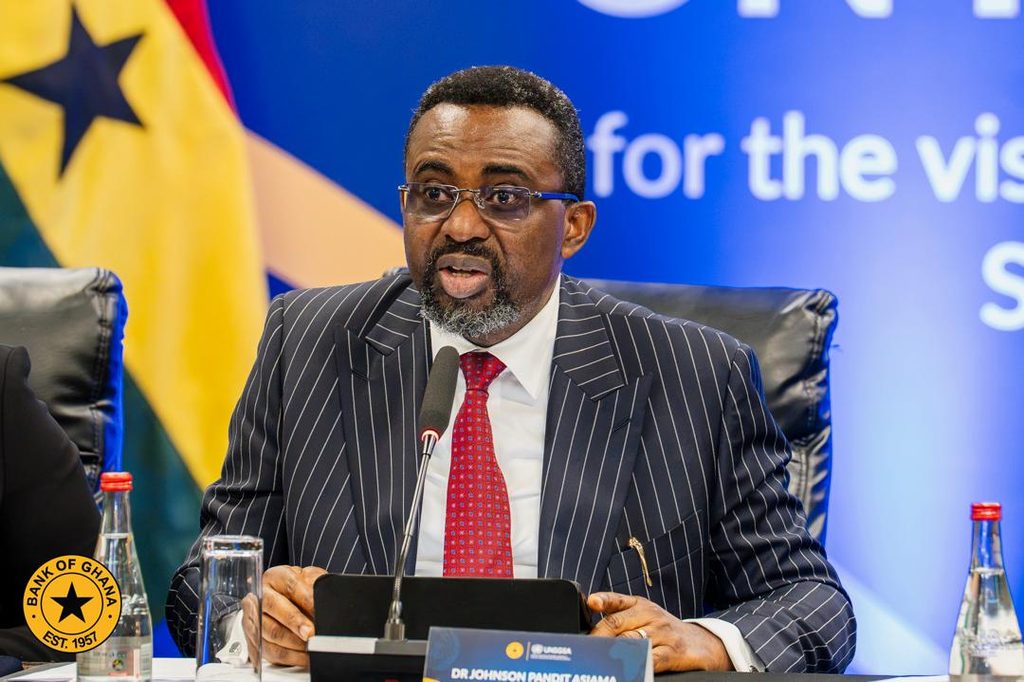
Queen Máxima of the Netherlands, serving as the United Nations Secretary-General's Special Advocate for Financial Health, has urged Ghana to establish a Financial Health Council that would bring together government institutions and private sector players to coordinate efforts aimed at improving the financial wellbeing of ordinary Ghanaians. She made the call in Accra at the joint inauguration of the Working Committee on the National Financial Inclusion and Development Strategy, the body charged with crafting Ghana's next major financial inclusion roadmap covering the period 2027 to 2031.
Beyond Bank Accounts: A Broader Vision for Financial Wellbeing
At the heart of Queen Máxima's message was a sharp distinction between financial inclusion and financial health — two concepts that are often conflated but, she argued, are fundamentally different. Having a bank account, an insurance policy or a pension plan is a vital starting point, but it does not, on its own, guarantee that a person is financially secure or that their livelihood will meaningfully improve.
She outlined four key components that together define genuine financial health: the capacity to manage day-to-day finances without strain; the resilience to absorb unexpected financial shocks such as a sudden illness or job loss; the ability to pursue and achieve long-term financial goals like education or homeownership; and a sense of confidence and stability in one's overall financial circumstances.
The proposed Financial Health Council would serve as a coordinating body to ensure that policies, products and programmes across both the public and private sectors are aligned with these broader goals — rather than simply chasing targets around account ownership or the number of people registered on mobile money platforms.
Why It Matters for Ghana
Ghana has made considerable strides in financial inclusion over the past decade, driven largely by the rapid expansion of mobile money services. Platforms widely used across the country have brought millions of previously unbanked Ghanaians into the formal financial system. Yet persistent challenges remain: a significant proportion of the population still lacks access to meaningful credit, adequate insurance cover or reliable pension arrangements, particularly in rural areas and among informal sector workers.
The inauguration of the Working Committee signals that Ghana's policymakers are taking the next phase of this journey seriously. The new National Financial Inclusion and Development Strategy, which the committee will develop for the 2027–2031 period, is expected to build on earlier frameworks and address the structural gaps that have prevented financial access from translating into lasting economic security for many households.
Queen Máxima's emphasis on a dedicated council reflects a growing global consensus that financial inclusion efforts tend to be fragmented — spread across different ministries, regulators and private actors without sufficient coordination. A Financial Health Council, if established, could help Ghana avoid duplication, set shared targets and hold stakeholders accountable for outcomes that go beyond headline inclusion figures.
What Comes Next
The Working Committee now has the task of consulting widely and producing a comprehensive strategy document that will guide Ghana's financial inclusion agenda for the better part of the next decade. Stakeholders from banking, insurance, telecoms, civil society and government are expected to contribute to the process.
- Queen Máxima's visit underscores the international attention Ghana's financial inclusion journey continues to attract.
- For everyday Ghanaians — particularly those in the informal economy — the success of this strategy could determine whether increased financial access eventually leads to greater economic security and resilience.
- The creation of a Financial Health Council, if adopted, would represent a structural shift in how Ghana manages and measures financial wellbeing at a national level.
Ghana's financial inclusion ambitions have long been recognised as among the more progressive on the continent. The question now is whether the systems and institutions exist to convert that ambition into measurable improvements in the lives of ordinary citizens.
Source: The Ghanaian Times


-1200x675.webp)

Comments (0)
Be the first to comment.