US Returns to Negotiating Table Over Rejected $109m Ghana Health Deal
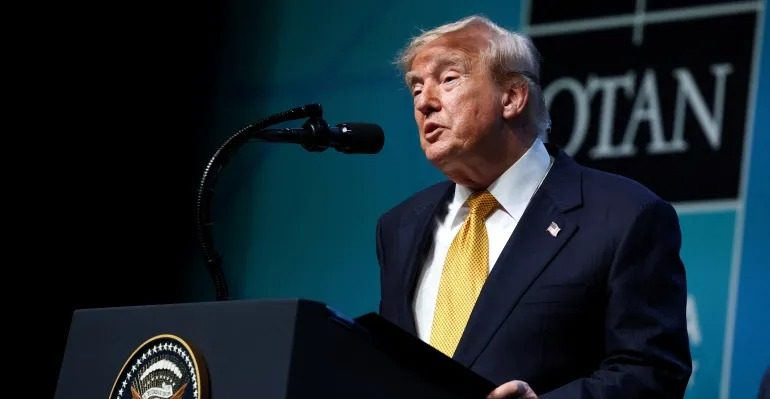
The United States is making a fresh diplomatic push to salvage a stalled $109 million health funding agreement with Ghana, according to President John Dramani Mahama. The proposed deal, which would have replaced existing health assistance channelled through the United States Agency for International Development (USAID), was rejected by Ghana's Cabinet earlier this year over concerns about its terms.
During a public engagement in Goaso in the Ahafo Region, President Mahama revealed that American officials have formally reached out to restart negotiations. "I have already spoken about the health funding deal sought by the U.S. The latest is that they have reached out to review the deal, and there is room for further discussions," the President stated, signalling openness to renewed dialogue despite the initial rejection.
Why Ghana Rejected the Original Deal
Ghana's Cabinet declined to ratify the agreement after a thorough review of its provisions raised red flags about national sovereignty. Government officials expressed concerns that certain clauses within the agreement were humiliating and could compromise Ghana's independence in health policy matters. The rejection reflected a broader principle articulated by President Mahama: that Ghana would not compromise its national interests or sovereignty for development assistance, no matter the financial value.
This position underscores a shift in how Ghana approaches international development partnerships—prioritising dignity and autonomy alongside financial benefit. The Cabinet's decision signalled that funding alone is insufficient if the terms threaten the nation's ability to make independent decisions about its health system and broader governance.
What This Means for Ghana's Healthcare Future
The tentative reopening of negotiations presents an opportunity for Ghana to secure much-needed health sector support whilst maintaining firm principles on sovereignty. The $109 million represents significant resources that could bolster Ghana's healthcare infrastructure, strengthen disease surveillance systems, and improve public health capacity—areas where additional investment remains critical.
However, the renewed talks also reflect the delicate balance Ghana must strike in its international relations. The United States remains a key development partner, and maintaining a positive relationship is important. Simultaneously, Ghana must ensure that any agreement respects the nation's constitutional authority and decision-making independence.
The Broader Context
This situation is not unique to Ghana. Several African nations have recently scrutinised development agreements more carefully, questioning clauses that could infringe on national sovereignty or impose conditions that benefit donor countries disproportionately. The trend reflects growing assertiveness among African governments in demanding partnerships built on mutual respect rather than dependency.
The path forward requires both sides to demonstrate flexibility and good faith. For Ghana, this means articulating precisely which provisions are problematic and what alternative language would be acceptable. For the United States, it requires recognising that conditioning aid on terms perceived as undermining sovereignty may ultimately damage long-term partnership goals.
President Mahama's willingness to engage in fresh discussions, combined with his firm stance on sovereignty, suggests Ghana is approaching these negotiations from a position of principle rather than desperation. The coming weeks will reveal whether both parties can find common ground on a revised agreement that serves Ghana's health needs without compromising its independence.
Source: The Ghana Report

Comments (0)
Be the first to comment.