
UK's G20 Plan Could Reshape Debt Crisis Facing Africa — What Ghana Needs to Know
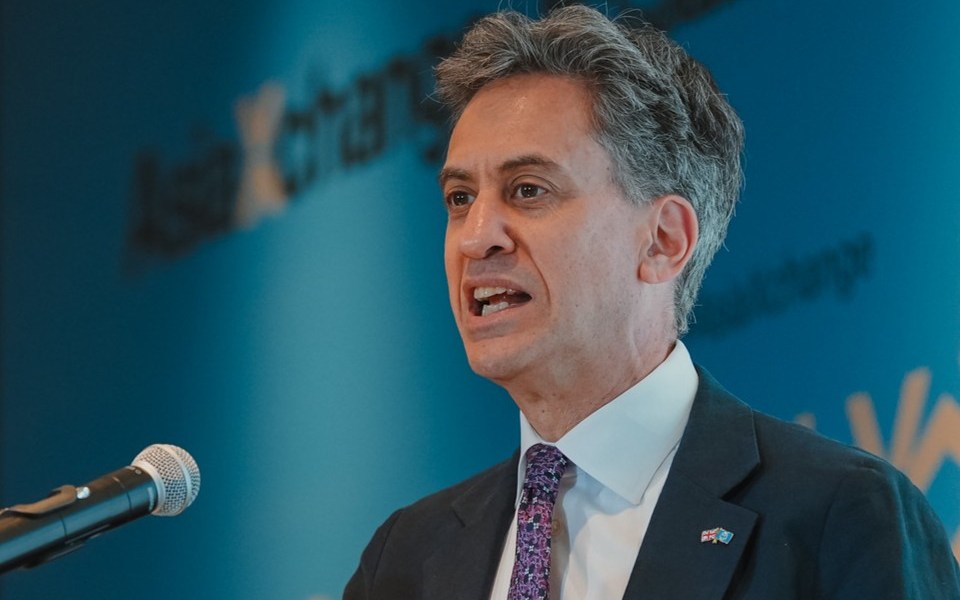
The United Kingdom's incoming G20 presidency will place significant focus on overhauling how the global financial system treats developing nations, with implications that could directly impact Ghana and other African economies drowning in debt servicing costs. UK Foreign Secretary Ed Miliband, speaking at a Rockefeller Foundation event in October 2026, laid out an ambitious agenda centred on debt restructuring, private capital mobilisation, climate resilience and support for fragile states — challenges that Ghana knows intimately.
The Debt Crisis Crippling Sub-Saharan Africa
Miliband painted a stark picture of the debt burden weighing on sub-Saharan Africa, where countries are spending more than three and a half times as much on debt servicing as they allocate to education. This comparison resonates powerfully in Ghana, where education remains a cornerstone of development policy yet competes for scarce resources against debt obligations. The Foreign Secretary highlighted that debt repayment costs in the region have reached a 25-year high, forcing governments into agonising trade-offs between essential services and international loan repayments.
The UK's proposed solution involves enabling countries to repay loans over longer periods, refinance existing debt at more favourable rates, and accelerate restructuring through the G20 Common Framework. Miliband also called for reforms to prevent individual private creditors from blocking restructuring agreements — a critical issue for countries like Ghana that have faced resistance from holdout creditors during debt negotiations.
Beyond traditional debt solutions, Miliband emphasised that multilateral development banks should expand their lending capacity by utilising financial reforms under the Capital Adequacy Frameworks review. This could create additional fiscal space for developing economies to invest in growth and social programmes rather than solely servicing debt.
Why This Matters for Ghana
Ghana is acutely vulnerable to the challenges Miliband described. The country has faced recurring debt sustainability crises, most recently requiring an International Monetary Fund programme in 2023 following a debt restructuring process. As one of sub-Saharan Africa's largest economies, Ghana's experience with creditor negotiations and debt relief efforts mirrors the regional struggles Miliband addressed.
The UK's G20 agenda could influence international consensus on debt relief mechanisms, potentially making restructuring faster and fairer for countries like Ghana. More importantly, the emphasis on attracting private investment and mobilising capital from global financial institutions could help Ghana access funding for infrastructure and development projects without adding to debt burdens. The Foreign Secretary's warning that investors may overestimate risks in developing economies also suggests the UK may push for better information-sharing to attract capital to African markets.
Additionally, Miliband's focus on combating illicit financial flows — estimating Africa loses $90 billion annually through such outflows — directly addresses a concern Ghana has highlighted repeatedly. Revenue lost to illicit flows exceeds official development aid, undermining domestic fiscal capacity. The UK's planned 2027 international summit on illicit finance could strengthen Ghana's efforts to recover stolen assets and strengthen tax compliance.
Climate Resilience and Investment as Long-Term Priorities
Miliband warned that debt relief gains could be undermined by climate shocks and natural disasters. He called for a strategic shift from financing disaster response after emergencies to investing in preparedness and resilience before crises occur. For Ghana, facing increasing threats from coastal erosion, flooding and drought, this pivot is essential. Climate adaptation measures require substantial upfront investment, and redirecting international climate finance towards resilience rather than relief could unlock resources Ghana urgently needs.
The UK's emphasis on mobilising private investment alongside public financing also matters for Ghana's development trajectory. The Foreign Secretary highlighted that hundreds of trillions in global savings remain concentrated in wealthy nations, but redirecting even a fraction towards emerging markets could accelerate growth. Ghana's experience attracting foreign direct investment in sectors like gold, oil and renewable energy shows the potential when capital flows, yet much remains untapped in infrastructure and domestic industry.
As the UK prepares to lead the G20 in 2027, the agenda Miliband outlined could reshape how developing countries access finance and manage debt — with Ghana positioned to benefit from reforms that make restructuring fairer, investment more attractive, and resilience funding more accessible.
Source: Ameyaw Debrah


Comments (0)
Be the first to comment.